Skip to main contentSkip to footer

Films 2015

Documentary, Monday, 16.6.2025, 18.00 hrs

Women According to Men

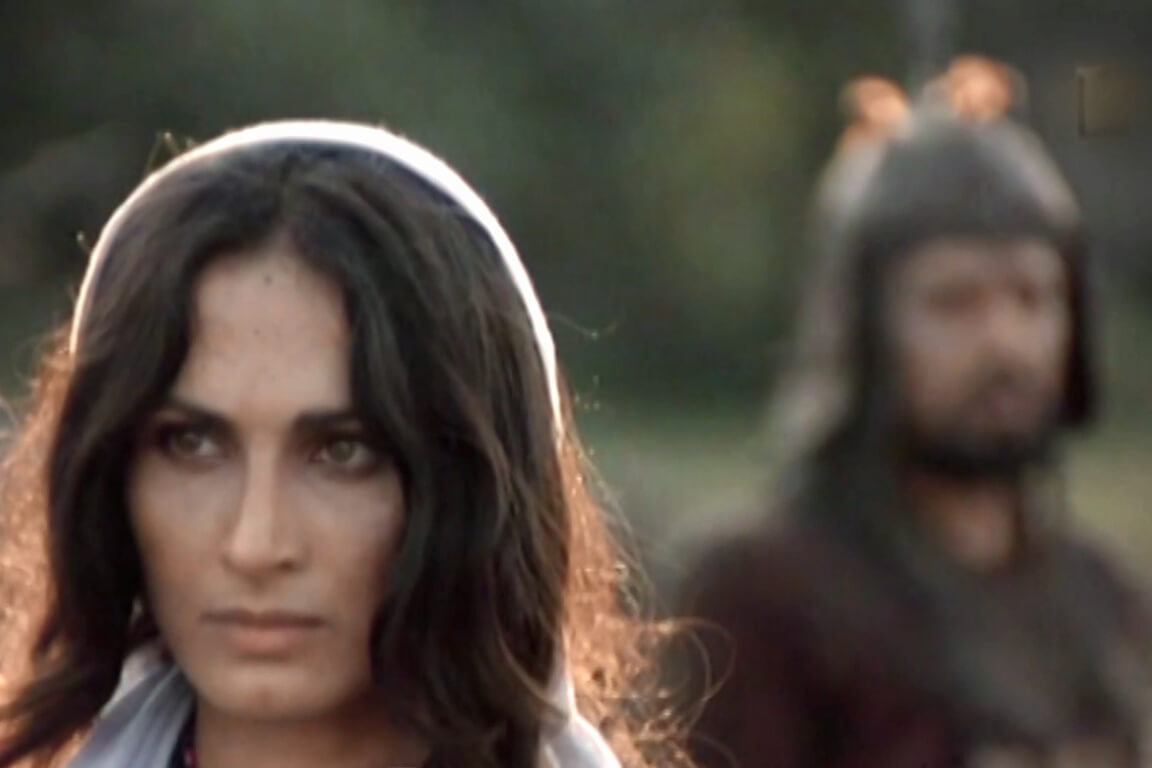
The lives of Iranian women before the Islamic Revolution were determined by two contradictory factors: the traditional patriarchy and the Shah’s modernization policy.

Feature film, Sunday, 15.6.2025, 20.30 hrs

In the Land of Brothers

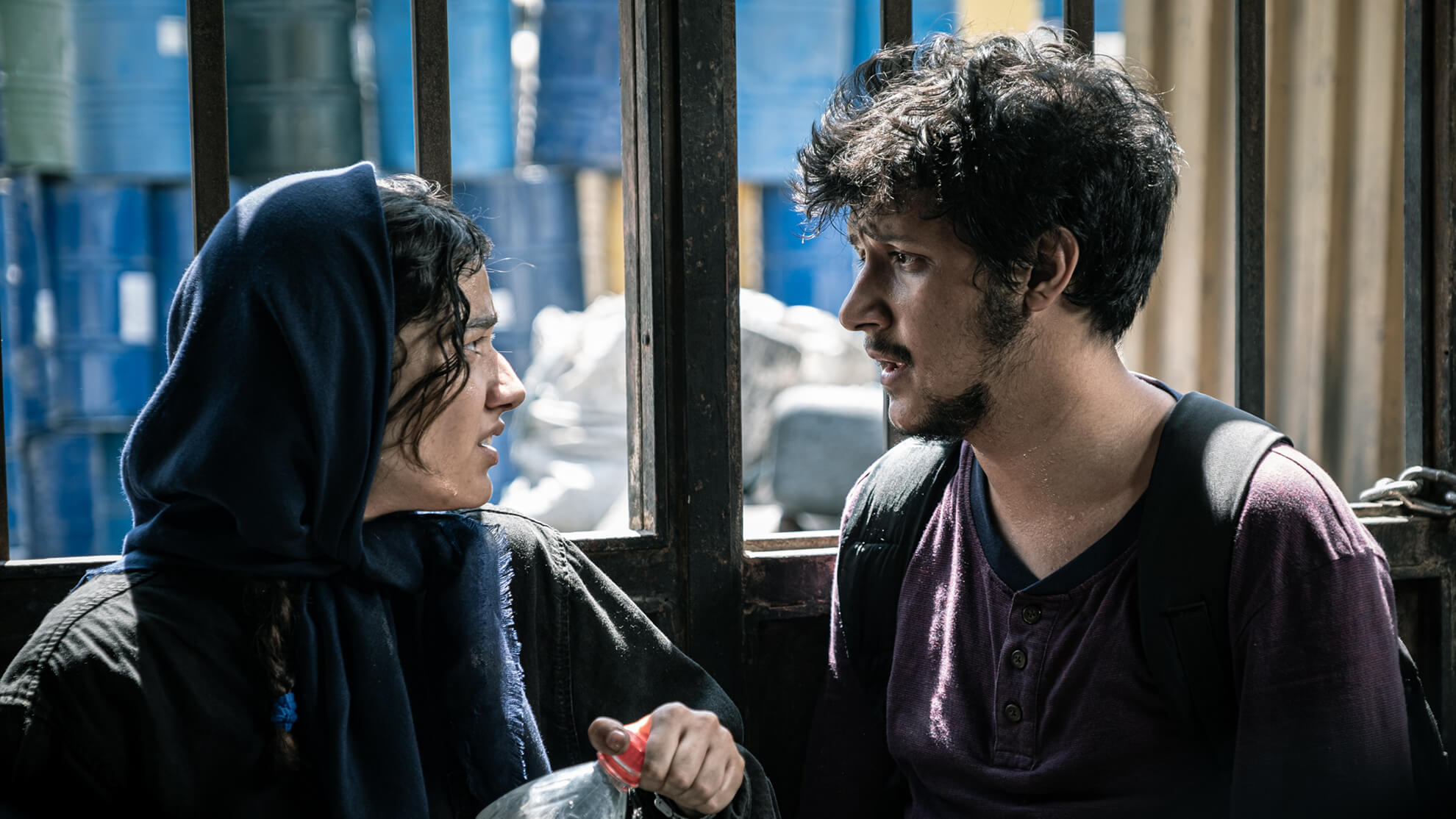
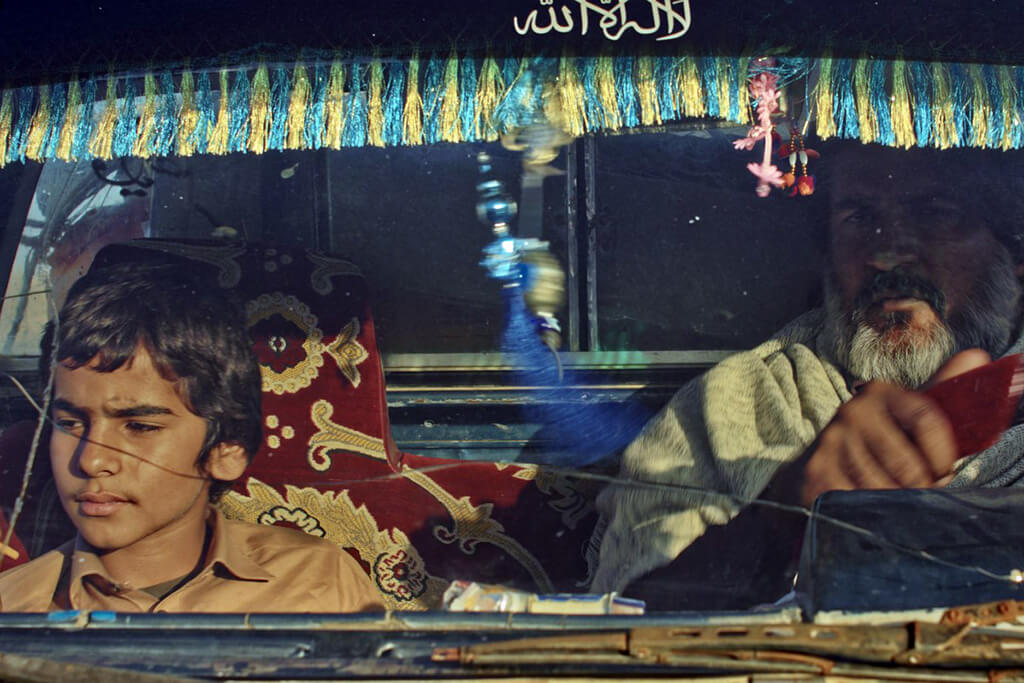
Over the course of twenty years, three loosely connected episodes tell of the fate of Afghan immigrants in Iran. In 2001, Mohamed has to do menial labor and falls in love with Leila.

Documentary, Sunday, 15.6.2025, 18.00 hrs

Café

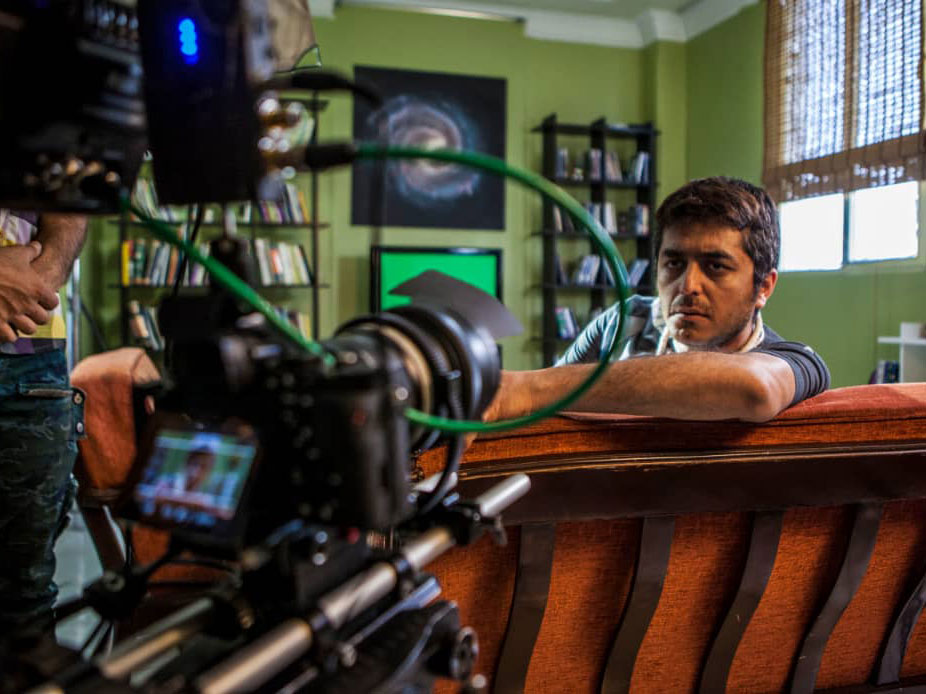
Sohrab’s wife Mahgol wants to emigrate, his father is getting on his nerves, his job as an editor is getting on his nerves and the authorities want him to become an informant to shorten his impending sentence.

Documentary, Sunday, 15.6.2025, 16.30 hrs

Mother Of Snow Cranes (Kurkien äiti)

Ellen Vuosalo’s life story takes her via Finland and the USA to Iran. After freeing herself from the dependency of her abusive husband, she moves to Tehran to get her children back.

Feature film, Sunday, 15.6.2025, 13.30 hrs

The Stranger and the Fog

In a remote coastal village, the inhabitants discover a mysterious boat in which a wounded stranger named Ayat has washed ashore.

Documentary, Saturday, 14.6.2025, 20.00 hrs

Tehran, an unfinished history

Saeed Nouri has sifted through 800 Iranian films from the National Archive, selected 150 of them and condensed them into a 100-minute film about the history of Tehran.

And Next Year, When Spring
Short films, Saturday, 14.6.2025, 18.00 hrs

Short films

Curator and filmmaker Ghasideh Golmakani once again presents a colorful collection of current short films – fresh insights into different regions, social milieus and narrative styles.

Documentary, Saturday 14.6.2025, 16.00 hrs

Impasse

During the nationwide protests following the death of Mahsa Amini in 2022, Rahmaneh gets into heated arguments with her devout family.

Feature film, Friday, 13.6.2025, 20.00 hrs

Me, Maryam, the children and 26 others

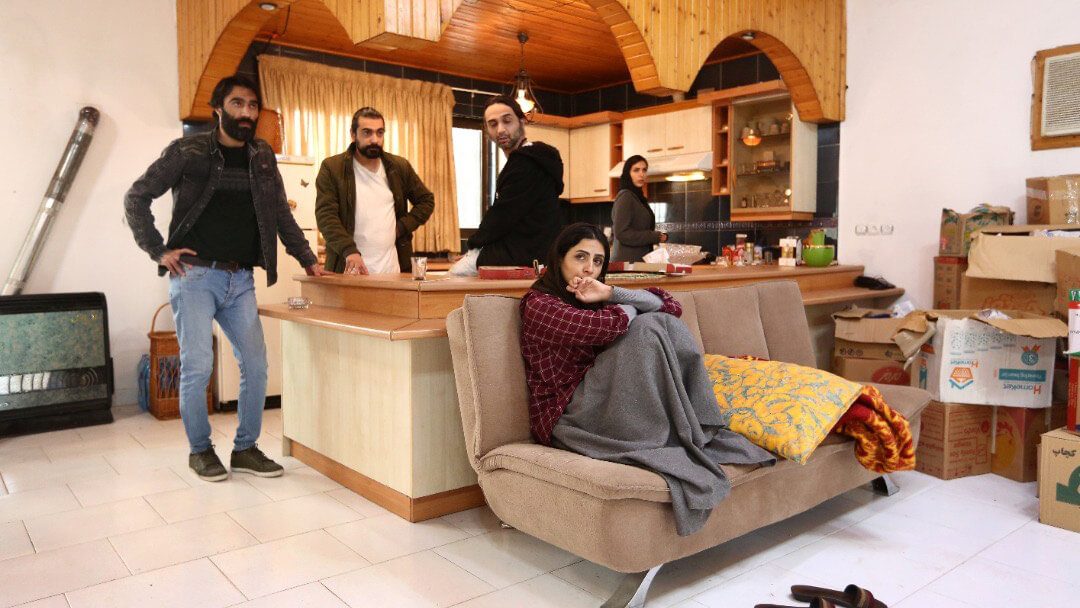
Filming in her apartment turns the life of Mahboube, who lives in seclusion, completely upside down: for a week, she is confronted with people in her courtyard, her kitchen and her bedroom.

Documentary, Friday, 13.6.2025, 18.00 hrs

A Band of Dreamers and a Judge

A bunch of likeable good-for-nothings in their forties decide to go on a treasure hunt in the midst of economic misery.

Feature film, Thursday, 12.6.2025, 19.00 hrs

The Old Bachelor

The economic crisis paralyzes all impulses and prevents the half-brothers Ali and Reza from breaking out of the regiment of their despotic father Gholam, who spends his nights with drug friends.

Documentation, Sunday, June 2nd, 2024, 15.00-17.00 hrs

Qashqai Female Voices – Films & Discussion

The “Qashqai Female Voices” project, initiated and curated by ethnomusicologist Yalda Yazdani, takes a new look at the rich but marginalized culture of Qashqai women in southwest Iran in a series of events – so far at the Rautenstrauch-Joest-Museum.

Feature film, Sunday, June 9th, 2024, 19.00 hrs

Critical Zone (منطقه بحرانی )

On the highways of Tehran at night, Amir supplies the city’s lonely souls with drugs to give them a little relief.

Documentation, Sunday, June 9th, 17.00 hrs

What Did You Dream Last Night, Parajanov? (دیروز چه خوابی دیدی پاراجانف؟)

Up to eight million Iranians live in the diaspora and are connected to their loved ones at home via Skype, Zoom and WhatsApp.

Documentation, Sunday June 9th, 2024, 15.00 hrs

Maydegol (میدگل)

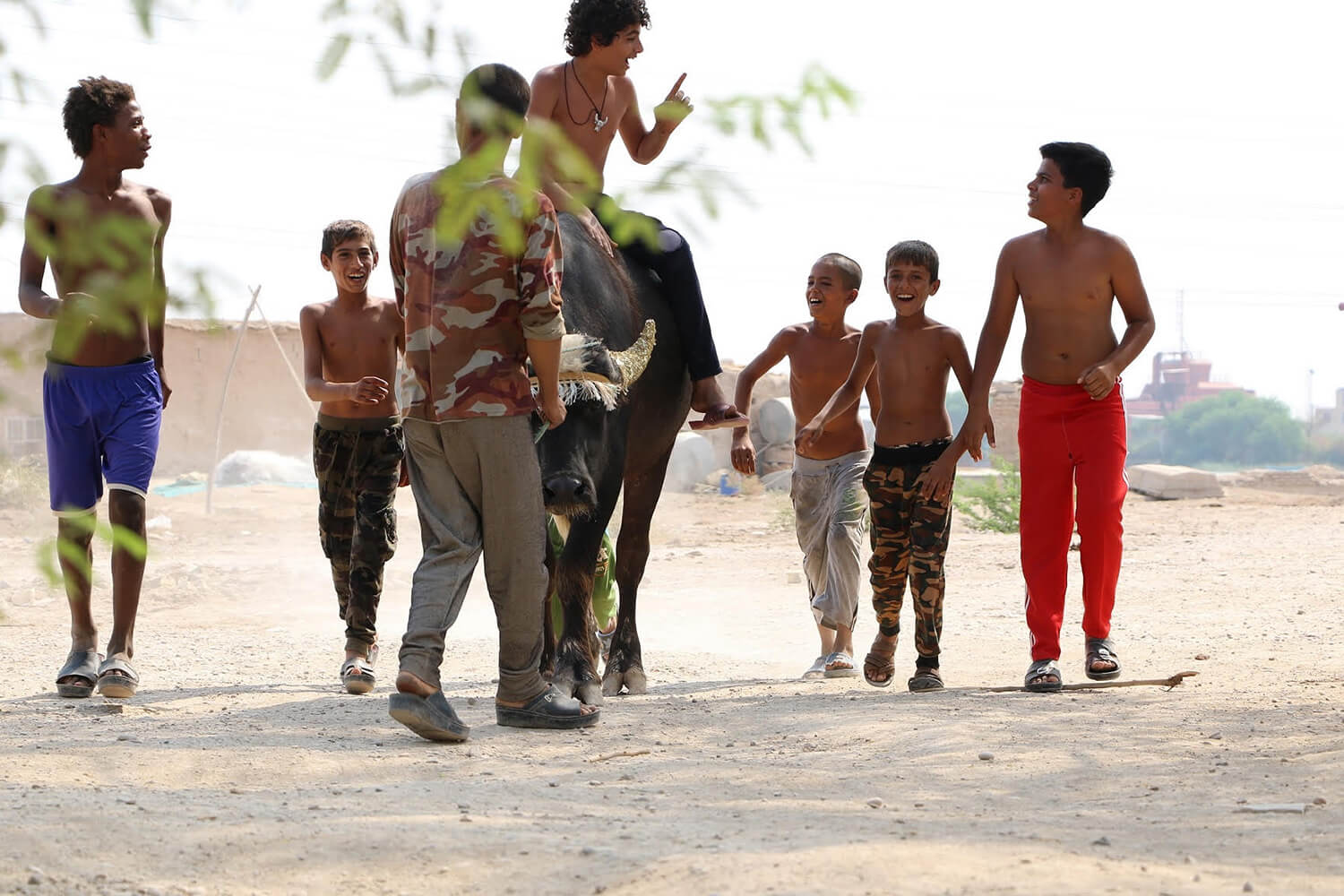
It is estimated that up to six million Afghan refugees are living in Iran. 15-year-old Maydegol dreams of becoming a professional Muay Thai boxer.

Documentation, Sunday June 9th, 13.00 hrs

Journey to Yazdegerd Castle (سفر به قلعه یزدگرد)

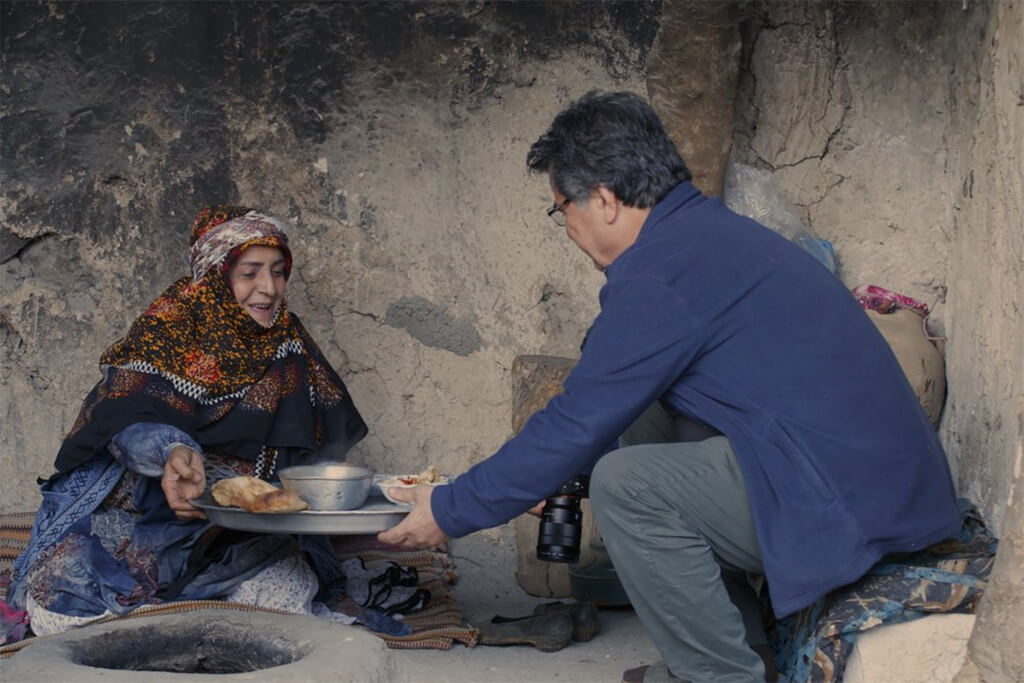
Mohammadi portrays an enthusiastic connoisseur of Iran: until the revolution of 1978, the British-Canadian archaeologist Dr. Edward Keall undertook expeditions to explore ancient Zoroastrian temples of the late-antique Sassanids.

Short films, Saturday, June 8th, 2024, 21.15 hrs

Short Films – a non-representative selection

Iran is always more and different than the image of it conveyed by the media; the short film offers the opportunity to get to know a wide variety of themes and perspectives, locations and artistic styles.

Feature film, Saturday, June 8th, 2024, 19.00 hrs

The Sun will Rise (آفتاب می شود)

Tehran, October 2022: During rehearsals for a production of Aristophanes’ “Lysistrata”, protests break out on the streets of Tehran and security forces take action.

Documentation, Saturday, June 8th, 2024, 17.00 hrs

Meteor (ستاره دنباله دار)

Sohrab Shahid Sales (1944-1998) is one of the pioneers of the new Iranian cinema. Less well known is his role within the new German cinema.

Documentation, Friday, June 7th, 2024, 21.15 hrs

And, Towards Happy Alleys (به سوی کوچه های خوشبختی)

For her research work on “Censorship in Iran”, Sreemoyee Singh, originally from India, travels to Iran.

Feature film, Friday, June, 7th, 2024, 19.00 hrs

The Great Yawn Of History (خمیازه بزرگ)

Beitollah calls in a group of men willing to work via a newspaper advertisement and recruits the least religious of them, Shoja.

Feature film, Thursday, June 6th, 21.15 hrs

Won’t You Cry (چرا گریه نمیکنی؟)

A man loses the ability to cry after the death of his younger brother. Grief, depression and the separation from his wife plunge him into a crisis.

Feature film, Thursday, June 6th, 2024, 19.00 hrs

My Favorite Cake (کیک محبوب من)

Seventy-year-old Mahin has lived alone since the death of her husband and is connected to her daughter and grandchildren in Europe via Ipad.

Documentation, Wednesday, May 29th, 2024, 19.00 hrs

An Owl, A Garden And The Writer (جغد، باغ و مرد نویسنده )

Mahmud Dolatabadi is one of the best-known and most important prose writers of our time. Translations of his books reach a worldwide readership and yet some of his most important works are not allowed to be published in Iran.
Drama, Sunday, 1.10.2023, 19.00 hrs

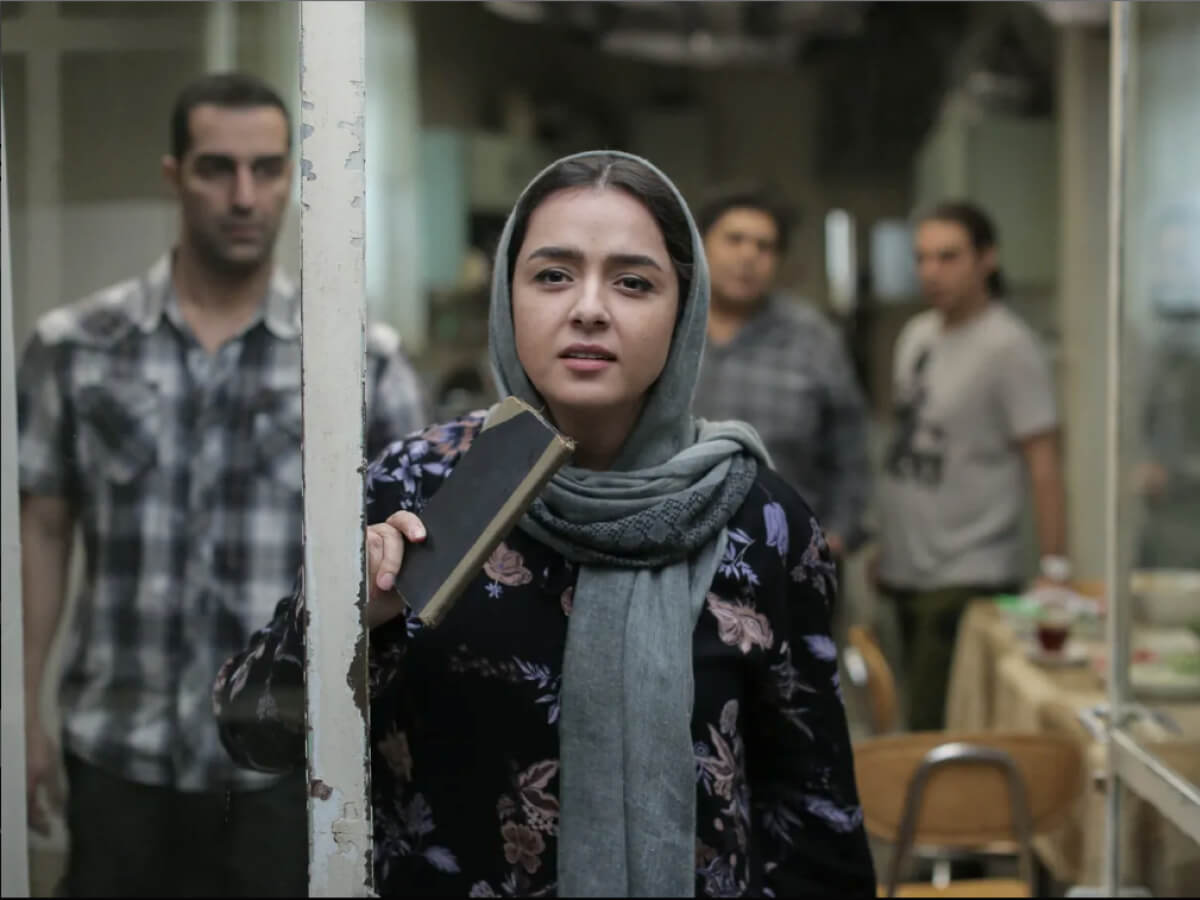
Leila‘s Brothers (Baradarane Leyla)

Leila’s four adult brothers, unemployed and in debt, still live in their parents’ house. Forty-year-old Leila struggles to secure her siblings’ future by buying a store.

Drama, Sunday, 1.10.2023, 16.00 hrs

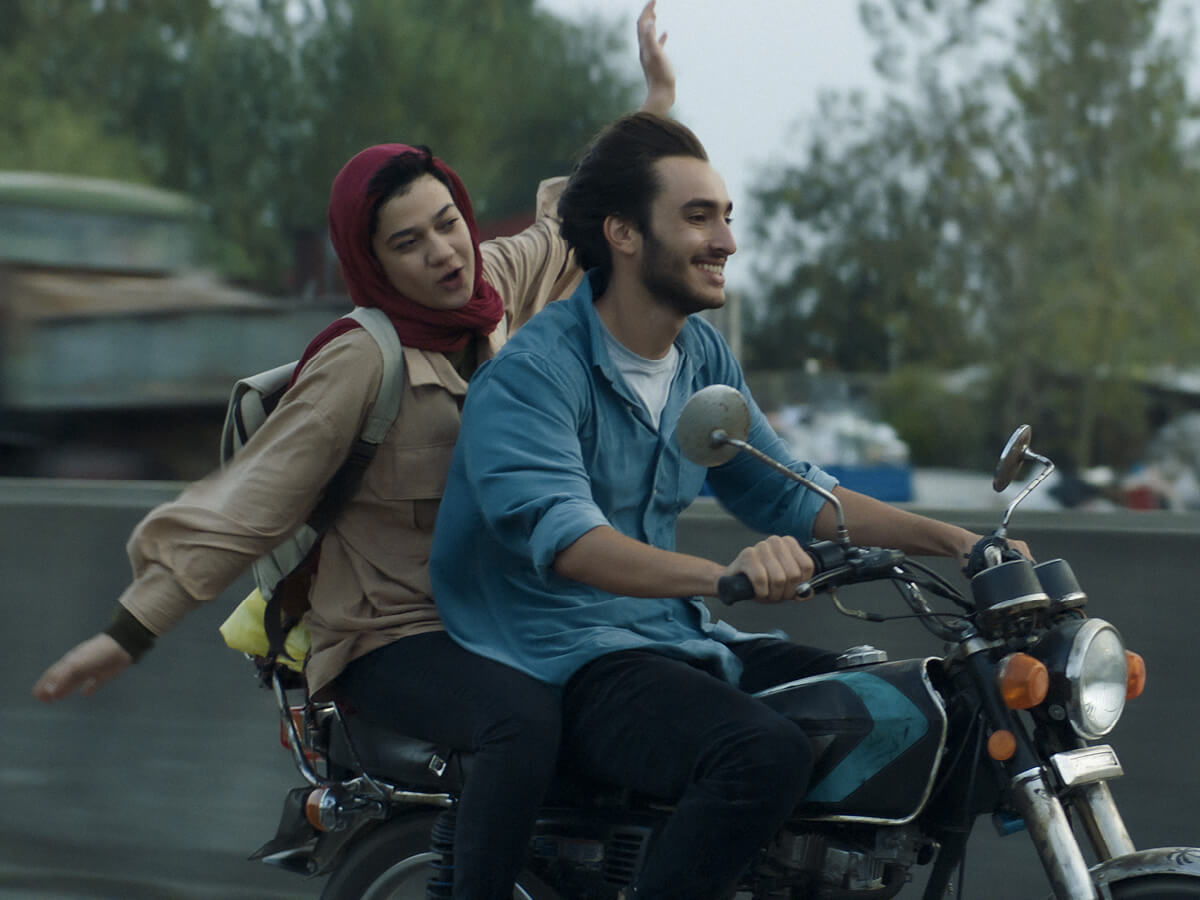
Empty Nets (Toor-haya khaali)

In order to raise the money to marry his beloved Narges, young Amir hires out to fishermen on the rough coast of the Caspian Sea. Gradually he wins respect and his place there, but soon he is drawn into the criminal milieu of illegal caviar poaching.
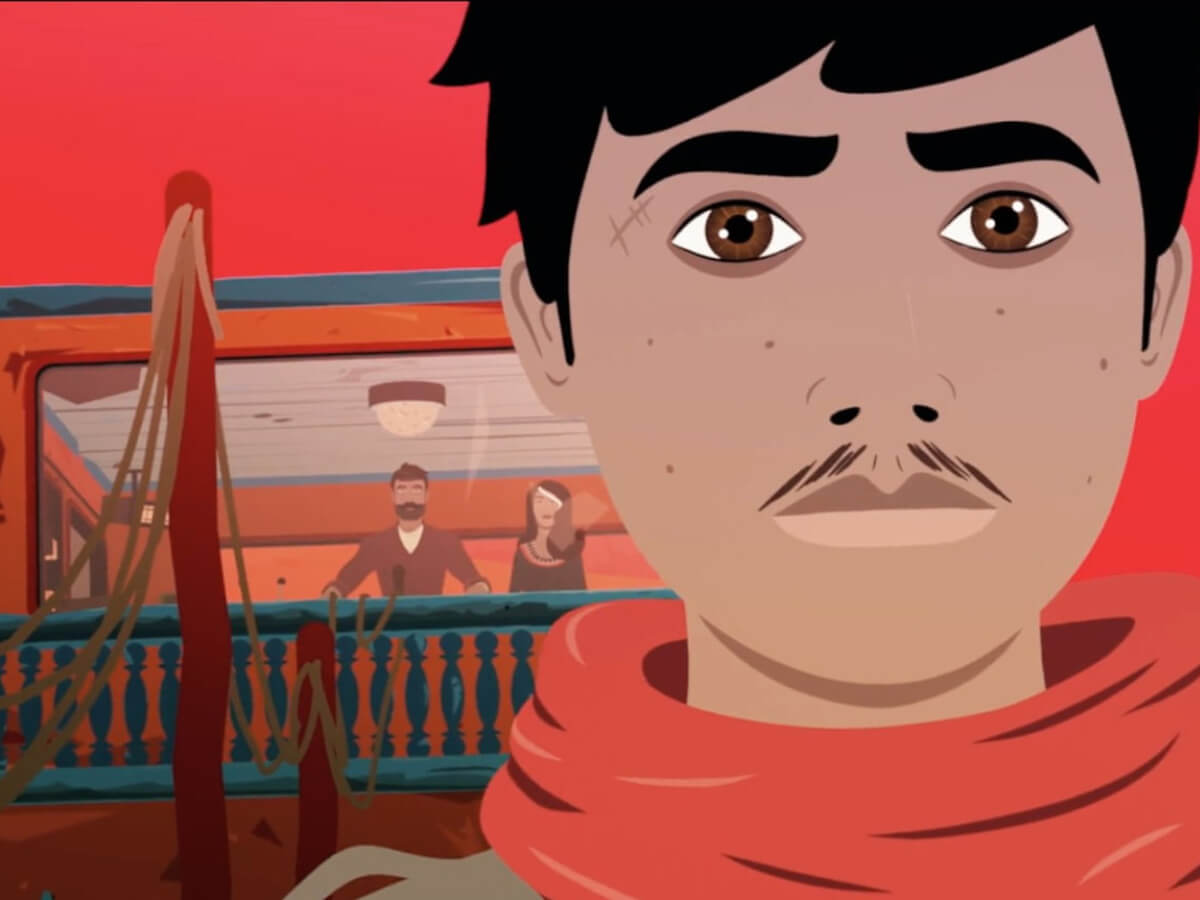
Drama, Saturday, 30.9.2023, 20.30 hrs

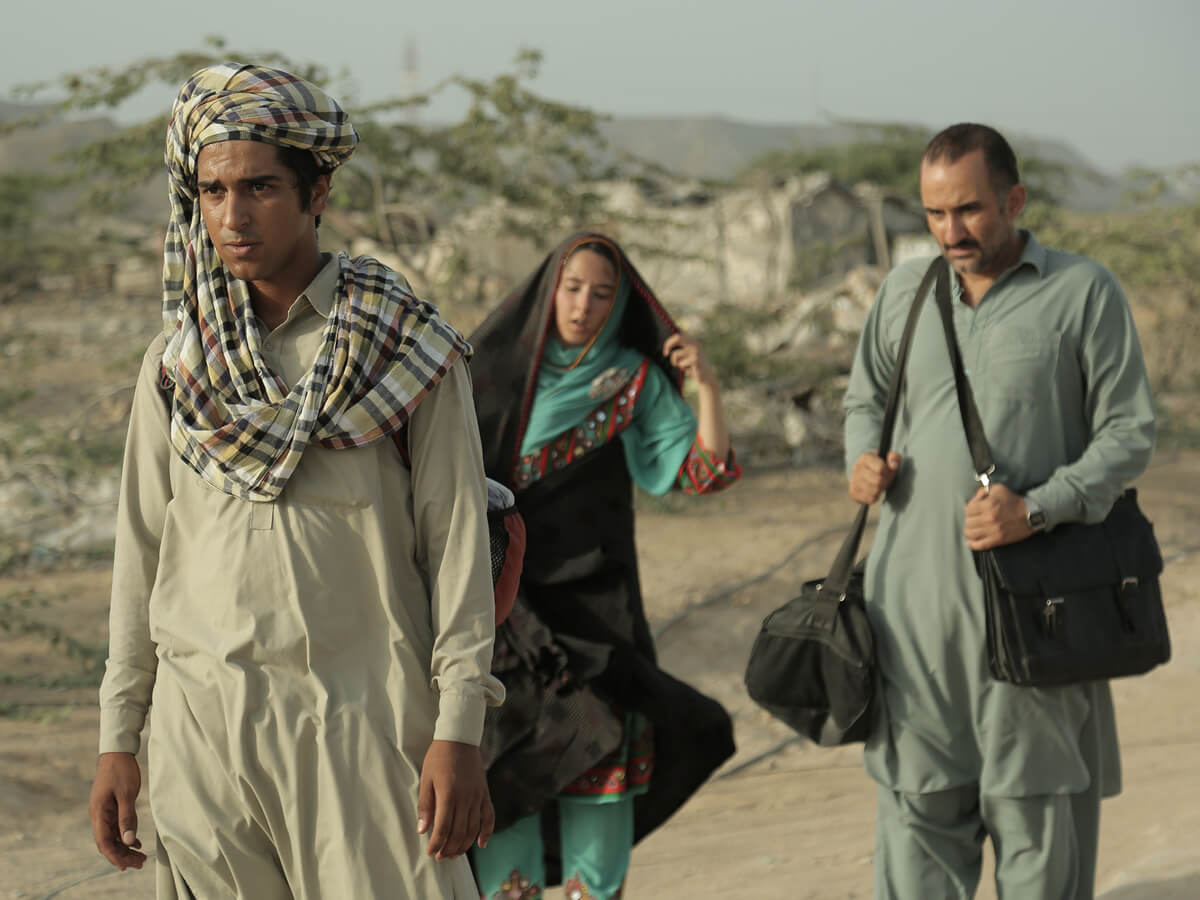
Endless Borders (Marzhaye bi payan)

Ahmad, a teacher banned from teaching, has been transferred to a remote village in Baluchestan, southern Iran, on the border with Afghanistan; there he must report regularly to the probation officer in the nearby town.

Animation, Saturday, 30.9.2023, 18.00 hrs

The Siren (La Sirène)

1980: Abadan, the center of Iran’s oil industry in the south of the country, is besieged by Iraqi troops. People leave their city, only a few stay behind.

Feature film, Sunday, 11.6.2023, 7:15 p.m.

No Bears (Khers Nist)

A filmmaker – Panahi himself – wants to secretly coordinate a film shoot in Turkey from a Turkish-Iranian border village, despite government repression.

Documentary, Sunday, 11.6.2023, 5:00 p.m.

Chicheka Lullaby

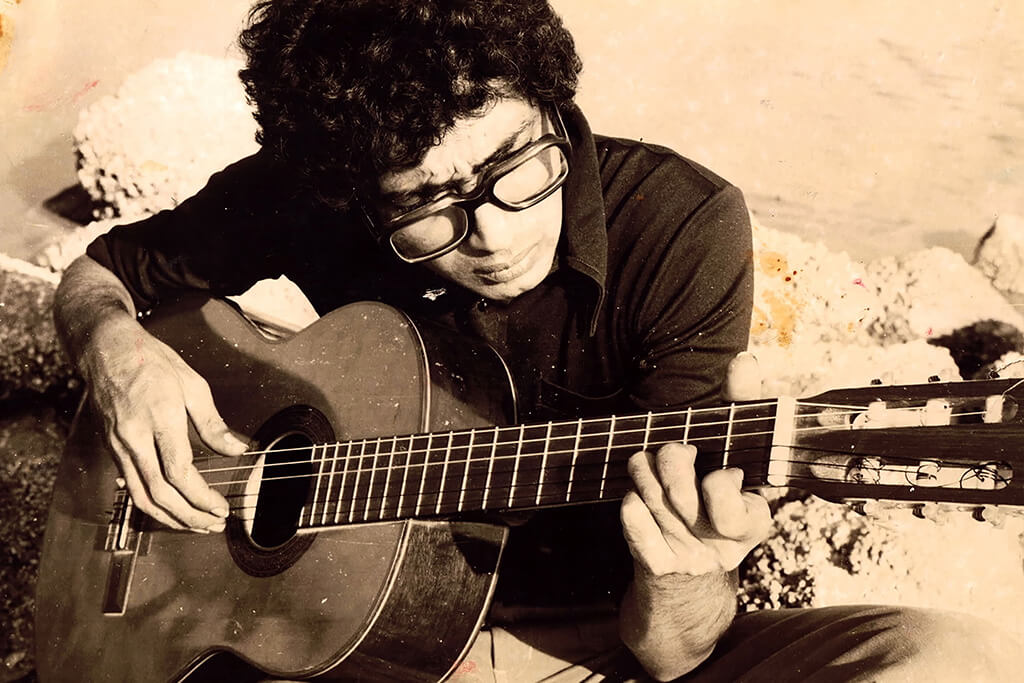
When Ebrahim Monsefi, the “Bob Dylan of the Iranian South,” died 20 years ago in poverty and drug addiction, he left behind hundreds of lyrics and more than 200 songs, recorded only with a small tape recorder.

Feature film, Sunday, 11.62023, 3:00 p .m.

Hit the Road (Jadde Khaki)

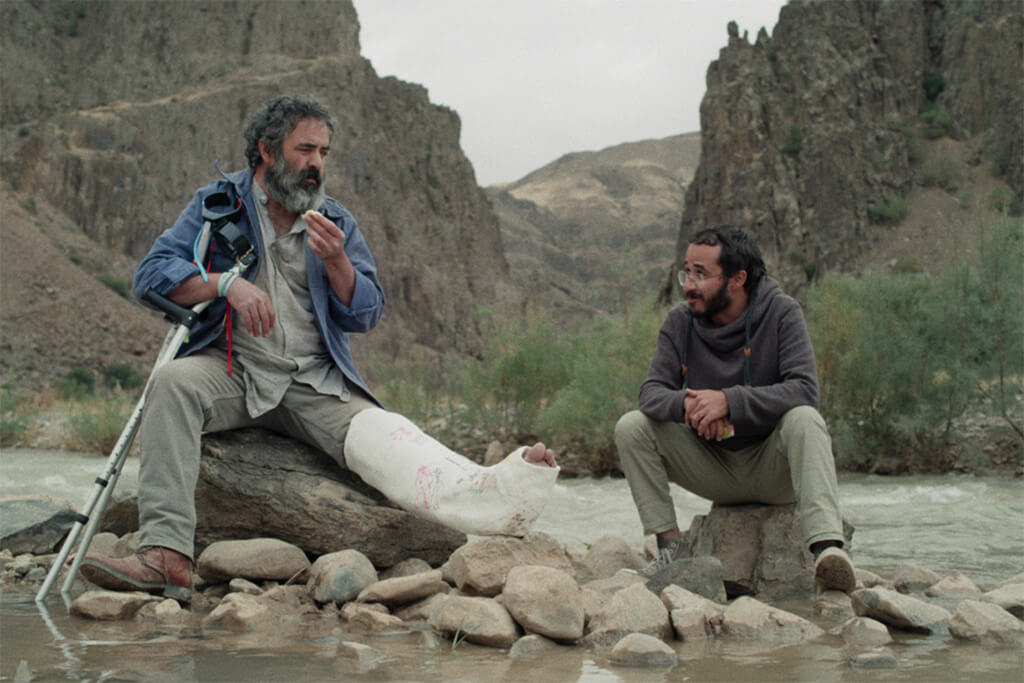
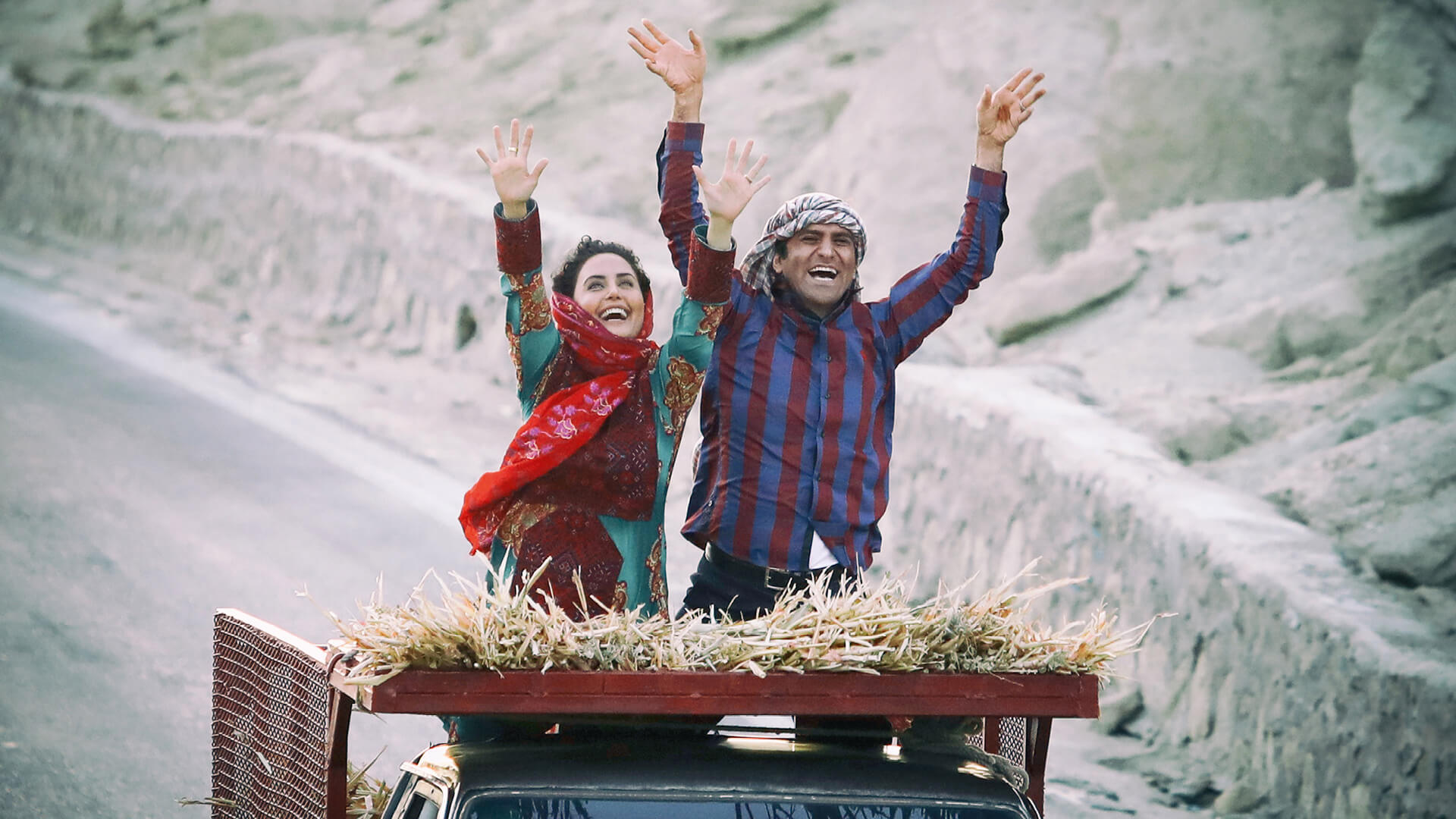
A resolute mother, a hyperactive six-year-old, a phlegmatic father with a cast on his leg and a dog drive in a rented car from Tehran towards the Kurdish mountains to see off the family’s eldest son as he flees across the border.

Short films, Saturday, 10.6.2023, 9:00 p.m.

ARTE Kurzschluss – Fokus Iran – Frau Film Freiheit

The upcoming edition of the ARTE short film magazine comes from Cologne and circles the Iranian short film scene against the background of the current protests.

Documentary, Saturday, 10.6.2023, 6.00 p.m.

Where God Is Not (Jaii keh khoda nist)

Mehran Tamadon, who lives in exile in France, has been dealing with the power structures of the Iranian regime for many years: for “Where God Is Not” he recreated their former prison cells in Paris according to the instructions of former political prisoners.
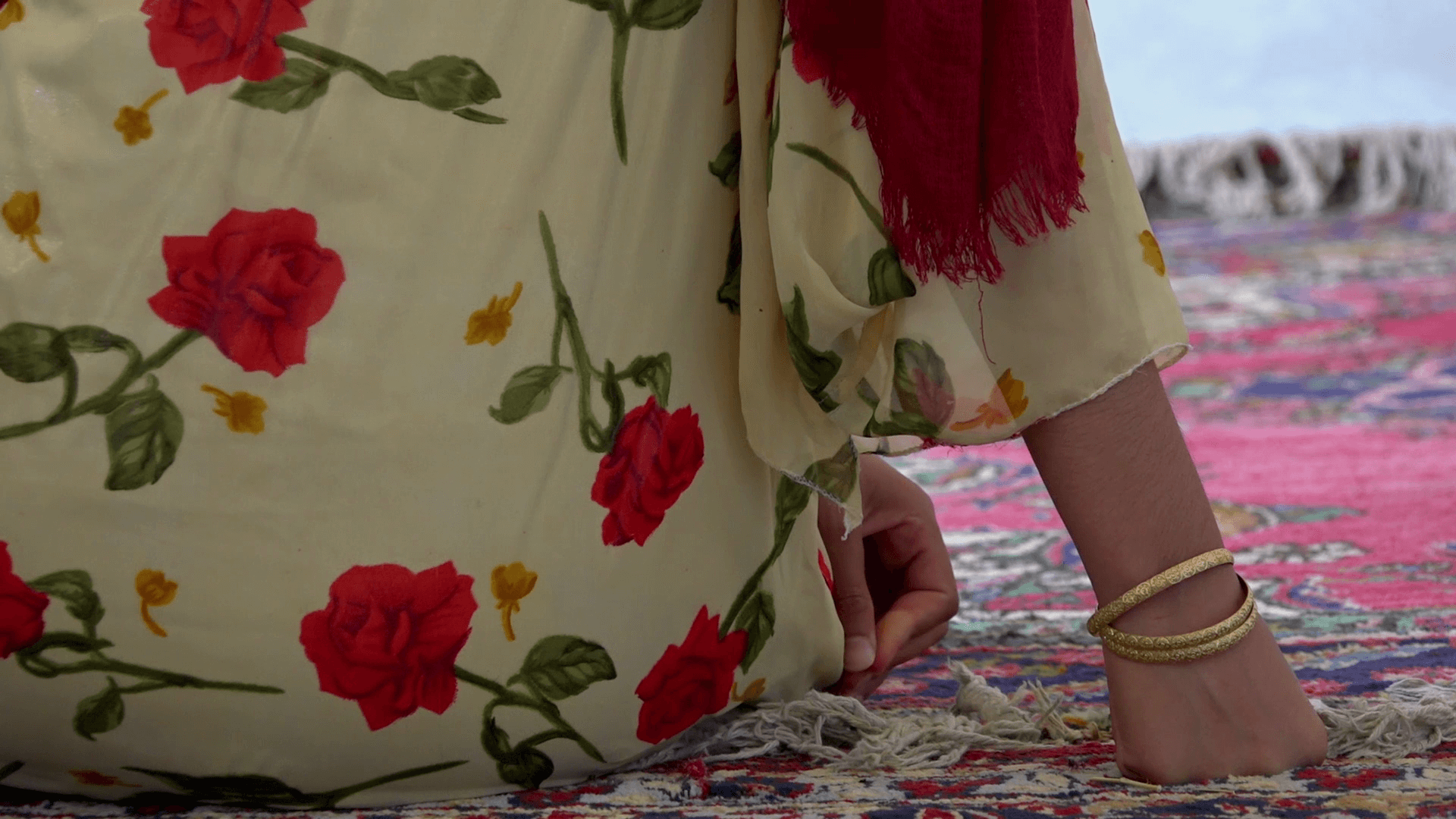
Documentary, Saturday, 10.6.2023, 3.30 p.m.

The Art of Living in Danger

Mina gradually reveals the tragic story of her grandmother and unravels the mystery of her mysterious death, which the family still refuses to talk about.

Documentary, Friday, 9.6.2023, 7.00 p.m.

Seven Winters in Teheran

Reyhaneh Jabbari was sentenced to death in 2007 for stabbing the perpetrator in self-defense during an attempted rape. Seven years later, the sentence was carried out. Steffi Niederzoll reconstructs the tragic case of the 19-year-old on the basis of video recordings, statements and memories of relatives and fellow prisoners,.
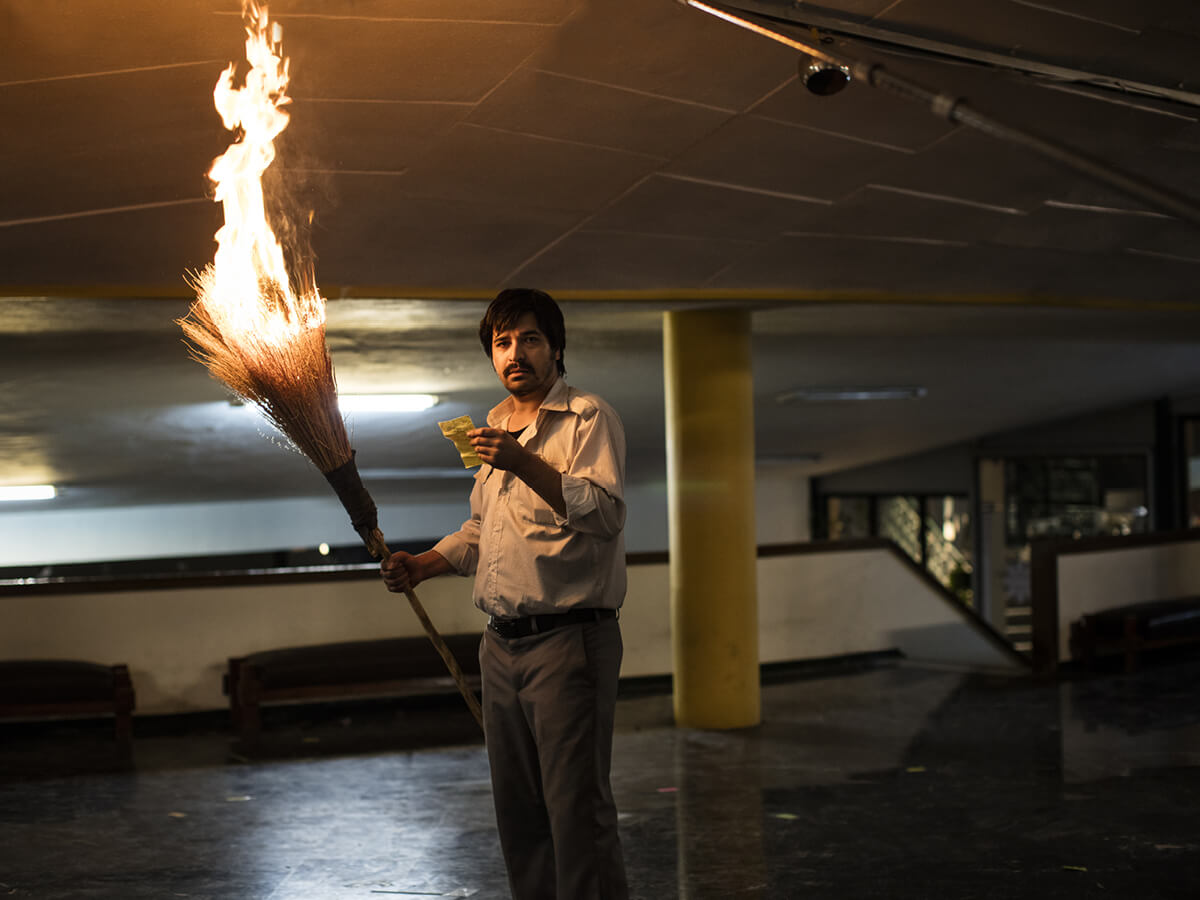
Careless Crime (Jenayat-e bi deghat)

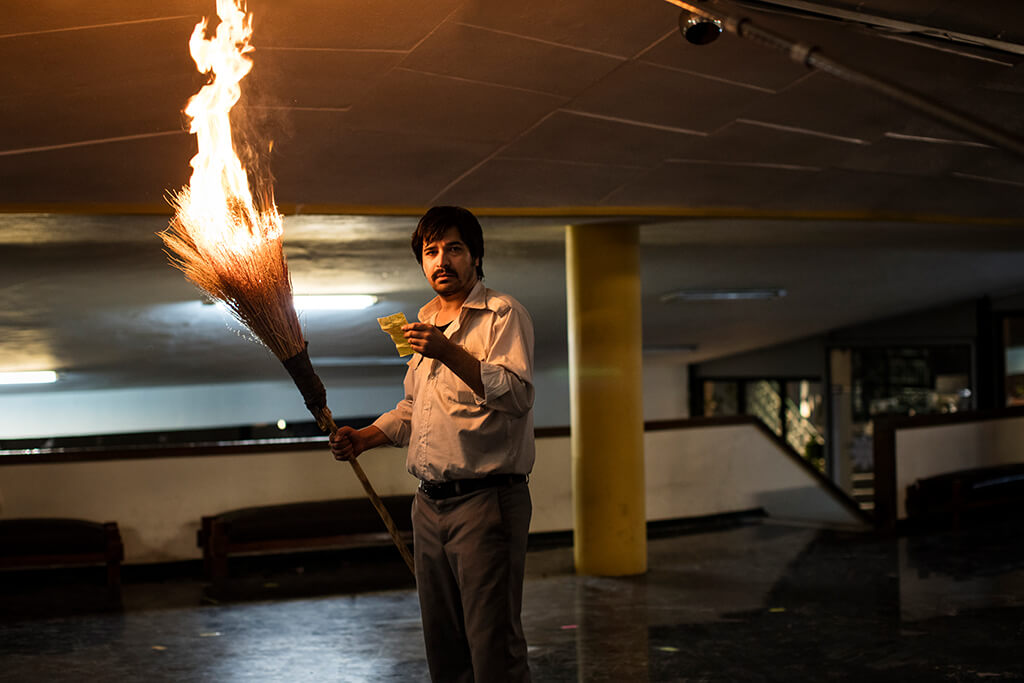
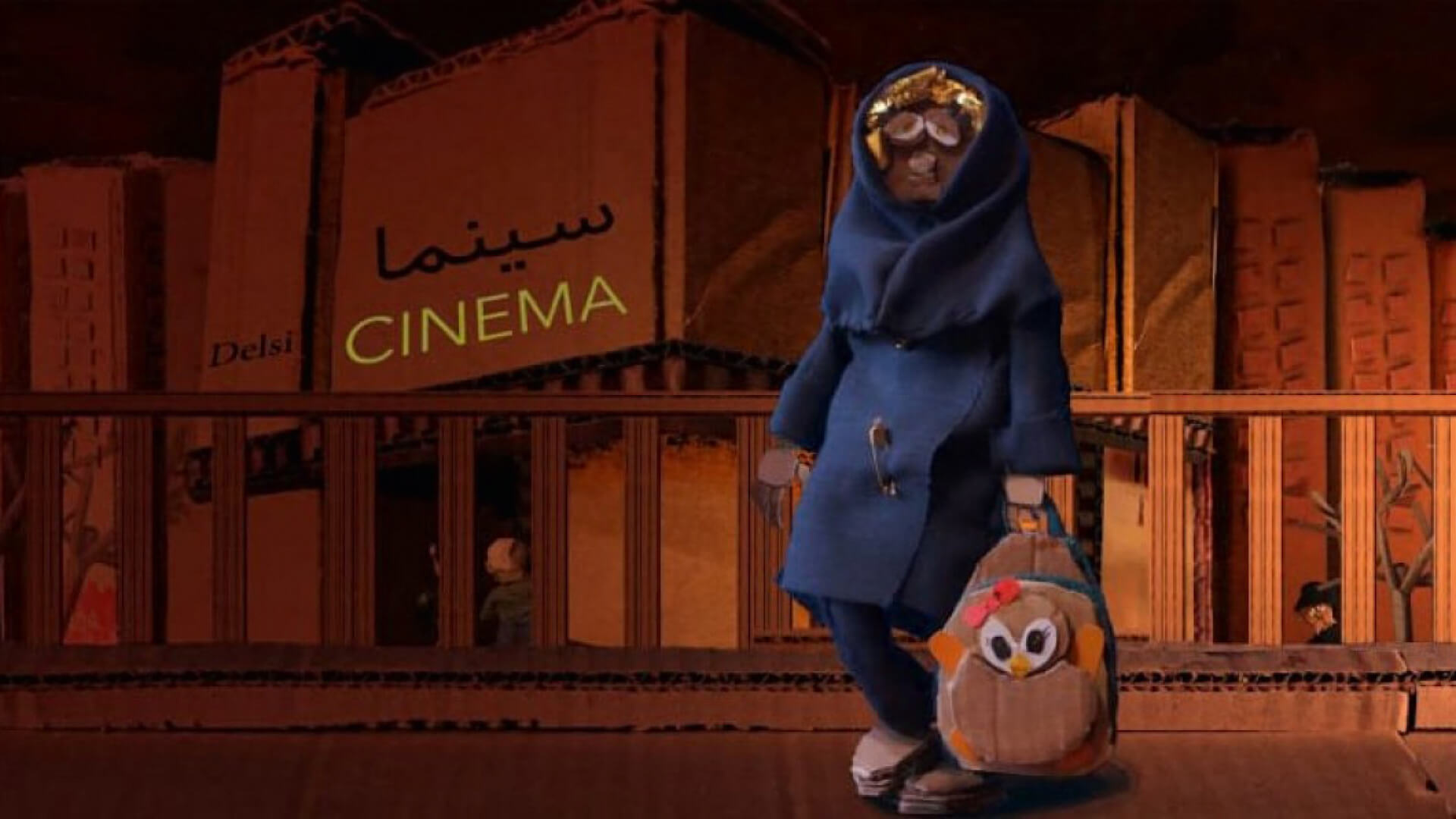
Four men want to make a statement and set fire to a cinema. Just like 40 years ago, when 422 spectators died in the flames during the infamous attack on the “Abadan Rex” in the south of the country.

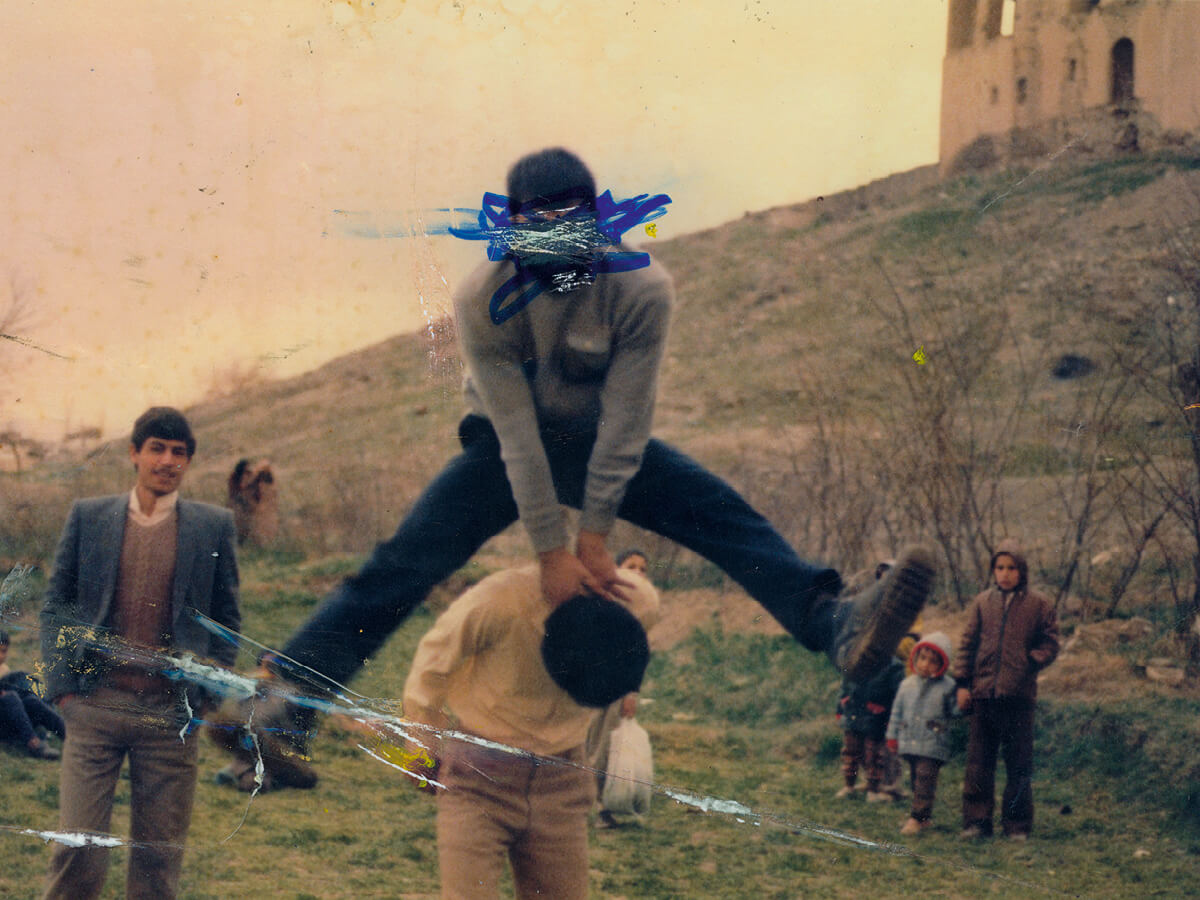
I Am Trying to Remember (Man saei mikonam faramoush nakonam) and Holy Bread (Nan-e moghadas)

Pegah remembers Gholam, a close friend of her family who suddenly disappeared in 1988, leaving a void.
br>The Kurdish Kulbar haul goods and loads over rocky, steep mountain paths of the Iranian border. Snowstorms and border police are their enemies.

With panel discussion

Water Will Take Us (Ab Ma Ra Khahad Bord)

Award-winning environmental filmmaker Mohammad Ehsani’s Water Will Take Us shows the impact of climate change, water mismanagement and the 2019 floods on Iranian civil society.

Short films by Iranian women directors

Mask, Faranak, Iranian Bag, Shadow of the Fox, Report on a Termination, An Ordinary Ring, My Dark City

The Great Leap (Shirjeh-Ye Bozorg)

Maryam learns that her son, thought lost, is still alive. He was raised by a notorious showman and vaudeville performer. With a group of acrobats and outsiders, the young woman sets out on a search and encounters charlatans, mischief-makers and shamans along the way.
The Apple Day (Rooz-e sib)

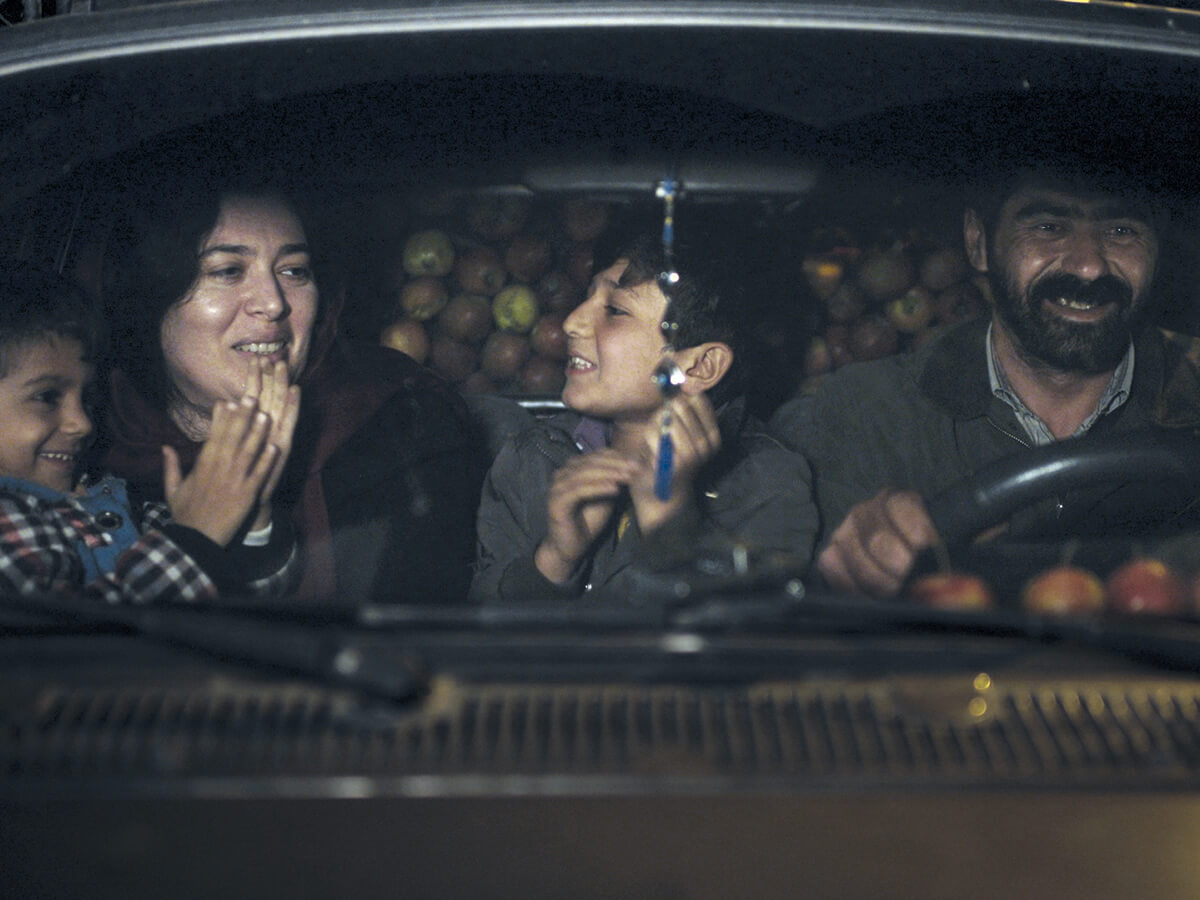
Mahdi, his older brother Saeed and their father sell beautiful red apples in the streets of a Tehran suburb. At home, the boys’ mother earns her money by washing clothes. When the father’s truck is stolen, the small family’s livelihood is threatened.

Light Year (Saal-e Noori)

Sarah is drowning in old memories after the separation from her husband and seems to be falling behind in her personal development – but perhaps it is the beginning of a healing process of detachment. Toghiri’s second film tells the story of the failure of a great love from the retrospective of the most beautiful, most painful, most significant stages, in his very own style.
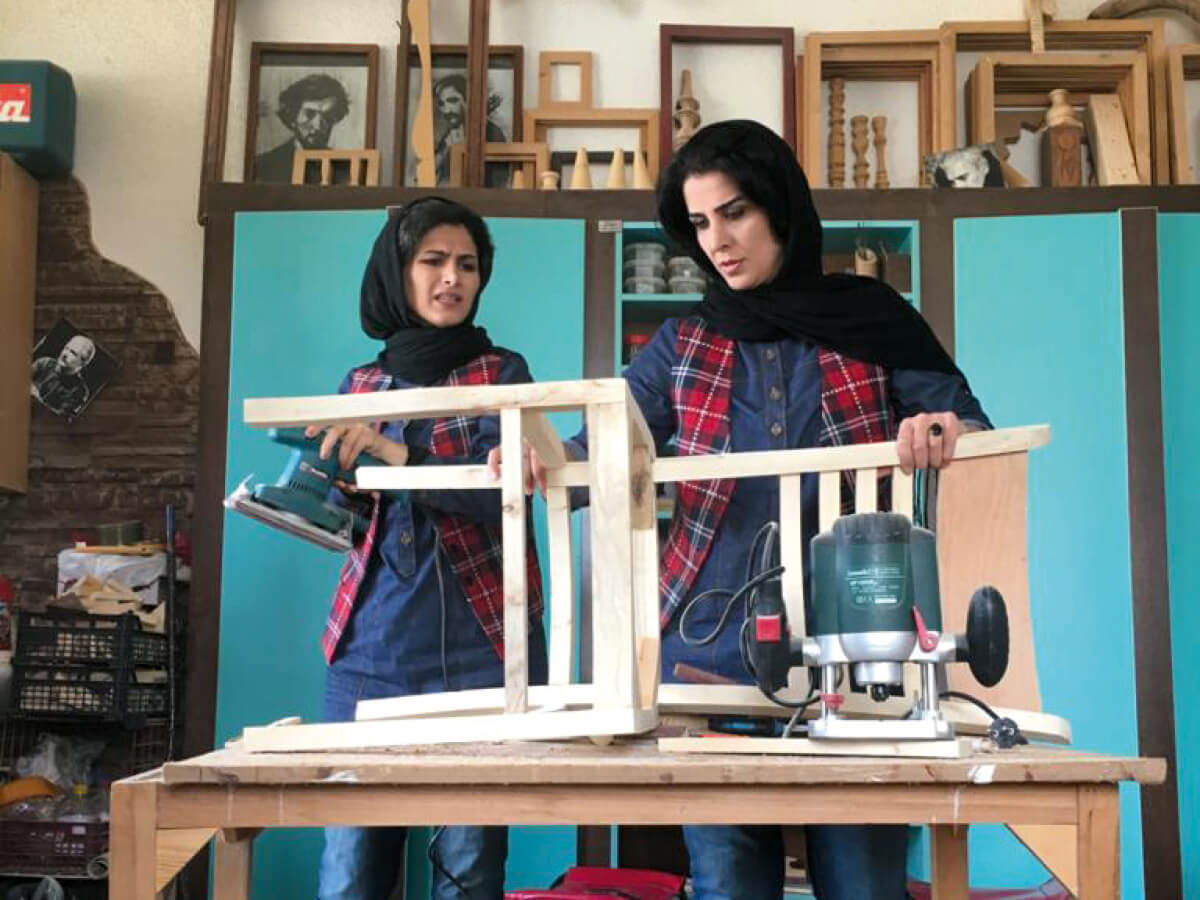
Majority (Bi Hameh Chiz)

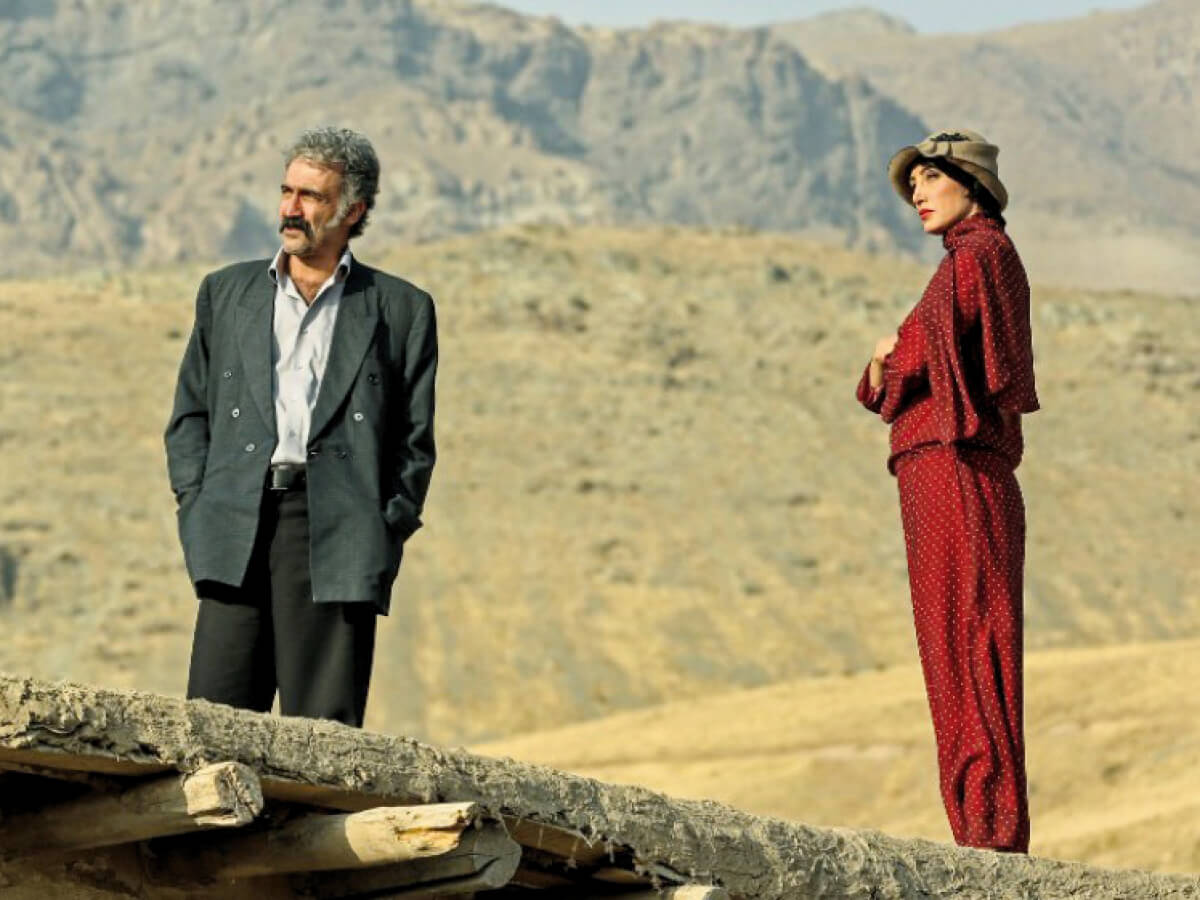
Lili returns to the run-down small town she had to leave twenty years ago. Now she wants to take revenge on Amir, her former lover, who left her pregnant back then because of the social pressure. Amir is a respected citizen and feels quite safe and untouchable.

Woodgirls – A Duet for a Dream

Rascht, situated on the Caspian Sea, differs from other parts of the country in terms of climate, architecture and way of life. Here, the self-taught women Leila and Sedigheh dream of having their own carpentry workshop – this is a man’s job and is neither socially desirable nor is there even a licence for women.
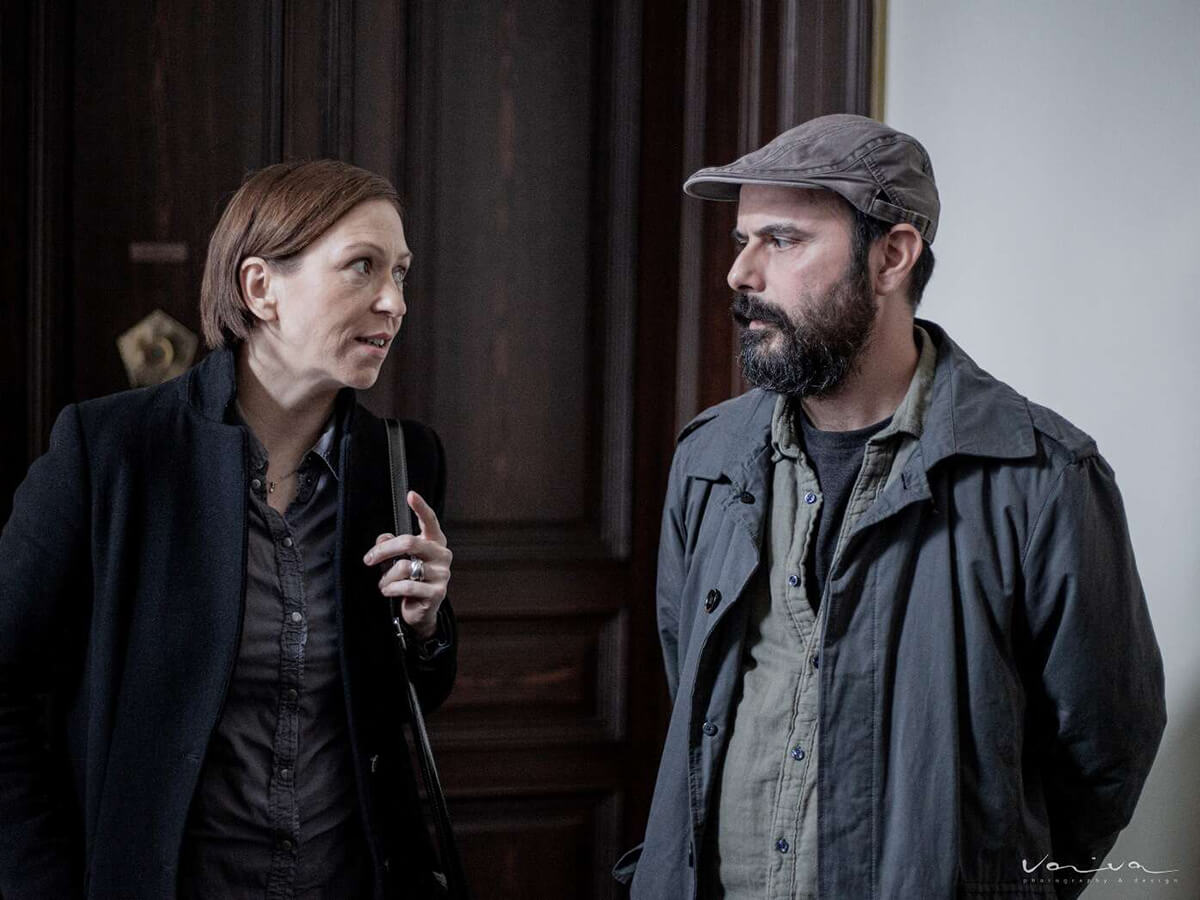
Absence (Naboodan)

Rusbeh traces his father during a trip to Prague – a former communist who fled to what was then Czechoslovakia in the 1950s and worked there as an orientalist and translator. Conversations with old comrades, librarians, and waitresses lead him to doubt the family story, but one trail leads to Valdimir, who has fallen out of a window while in a coma.
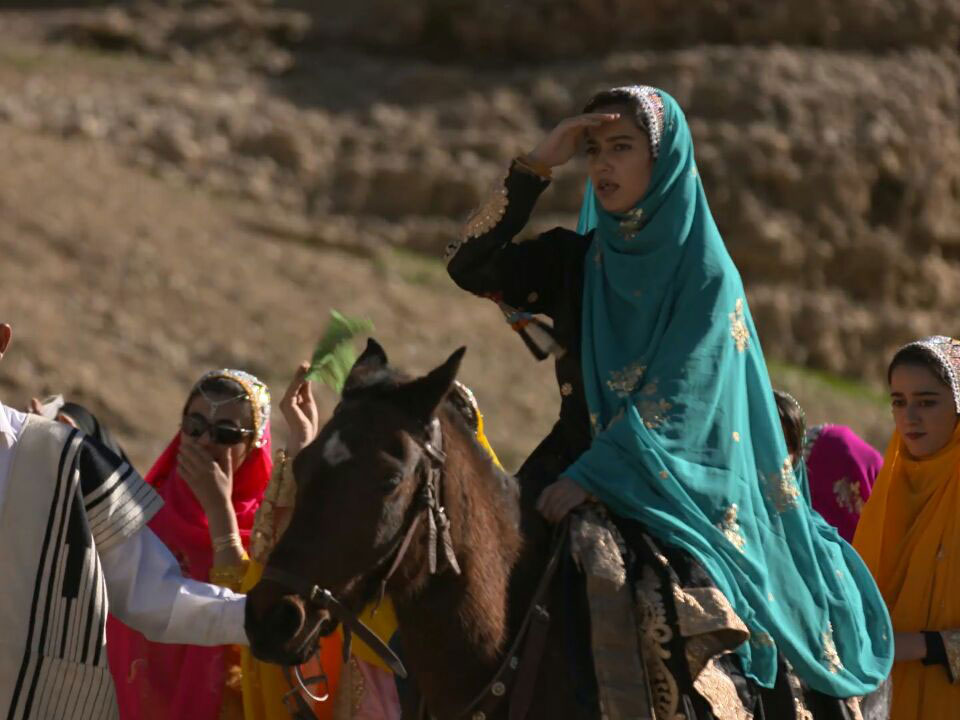
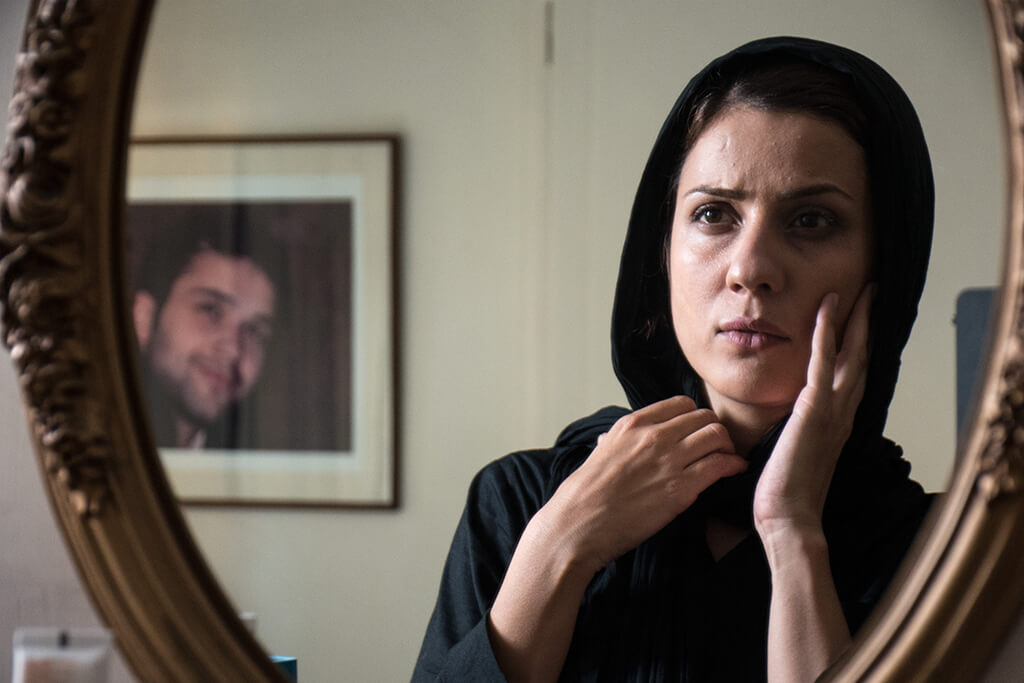
Karoon

Ehsani has long documented the threats to Iran’s limited water resources. His latest film portrays the rich cultural landscape that Iran’s once water-rich Karoon River passes through on its way.

Women in Iran: Short Films II

Let the past go by, Violet, Left’Over, Moment and Forever, Personal, It Was My City, The Toaster I Used to Live In, The Dérive

Women in Iran: Short Films I

Hanged, Origami, Horn, The American Bull, Tangle, Absent Wound, Taxi Téhéran, Granddad Was a Romantic

At the End of Evin

A powerful story about a transgender girl in Iran who finds a rich man to pay for her gender reassignment surgery, only to discover that there is something very wrong here …

Janbal

The Dervish-Artist Musa, who lives on the island of Hormoz, explores the ancient rituals, myths and mysteries of the Arabian, African and Indian-influenced Persian Gulf region.

Formerly Youth Square (Meydane Javanan – Sabegh)

The journalist and filmmaker Mina Akbari looks at an old photograph showing seventy former members of the editorial staff of the newspaper “Jame’e”, taken at what was then “Youth Square”.

Drowning in Holy Water (Mordan dar Abe Motahar)

Rona and Hamed, a young Afghan couple, arrive illegally by bus in Tehran. From there they want to flee to Europe in the hope of a better life.

Iranian Pet club (Bashga-he Heyvanat)

Despite – or perhaps because of – religious and traditional prohibitions, the keeping of pets in the middle and upper classes of Iranian cities has taken on almost excessive proportions

Selection Iranian Short Films II

Contact (Tamas), Hannover Goalkeeper (Darvazehban-e Honover), Fragments of a Revolution (Sahneh-ye Tarikh), About Father, About Death (Darbareye Pedar, Darbareye Marg), Prestige, White Winged Horse (Asb-e Sefid-e Baldar)

Women in Iran: Short Films

Taxi is here, Origami, Let the past go by, Horn, Spotted Yellow, Sink, Cinema Cristal.

Careless Crime (Jennayate bi deqqat)

Students are shooting a film, the audience is waiting for a screening, four men want to make a statement and set fire to a cinema.

Ill Fate (Bakhte Parishan)

The popular cinema of the Shah era had stars and starlets, but it was considered sinful after the revolution and was widely censored.

Radiograph of a Family

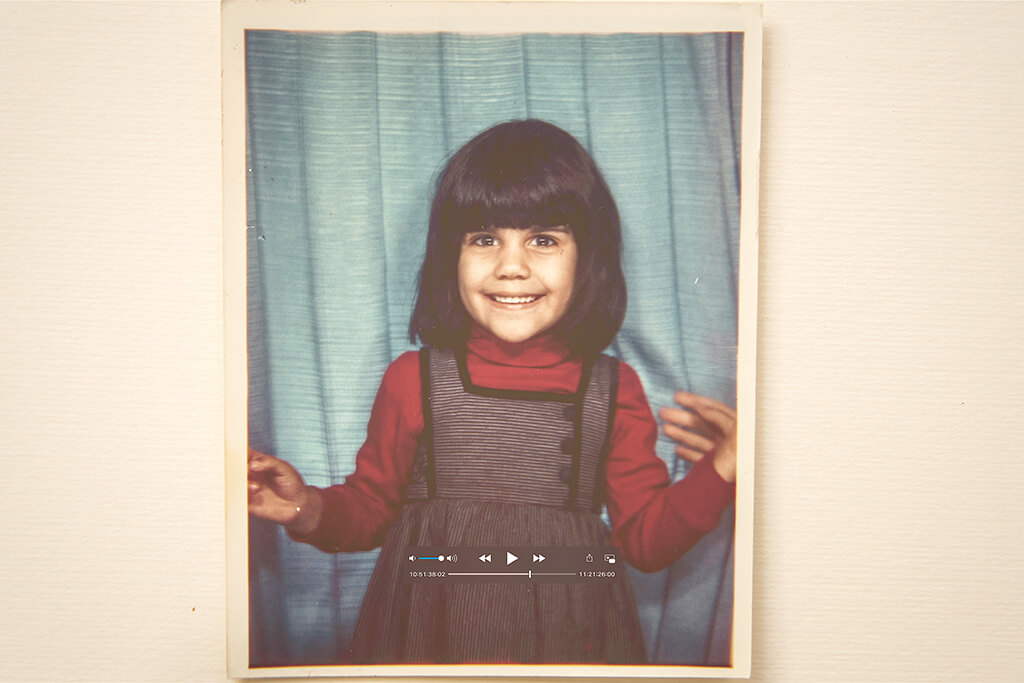
Firouzeh Khosrovani, the daughter of a secular father and a religious mother, tells the story of her parents. With the help of photos, letters, videos and fictitious conversations, we discover a European-Iranian love and life story.

Captain Daryai (Nakhoda Daryaee)

For 60 days, Captain Daryai, a traditional Baloch fisherman, is out on the vastness of the ocean to catch tuna. 18 sailors, many of them still minors, accompany him.

Dizziness (Mangi)

A dispute in the front garden of a typical “villa” in northern Iran: Parisa, who has travelled from Tehran with her brother, demands her dowry back from Hamid, her ex-husband.

Coup 53

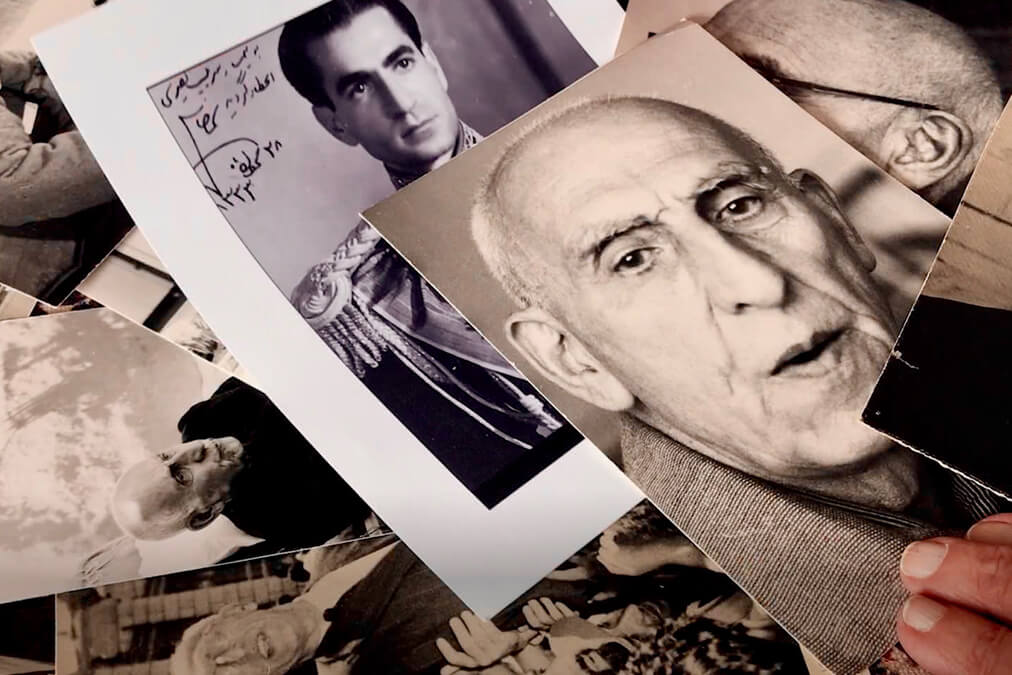
Mohammad Mossadegh was Iran’s first democratically elected prime minister. A coup against him brought the Shah back to power and had a far-reaching impact on the political and social development of Iran, and indeed the entire region.

Highway (Bozorgrah)

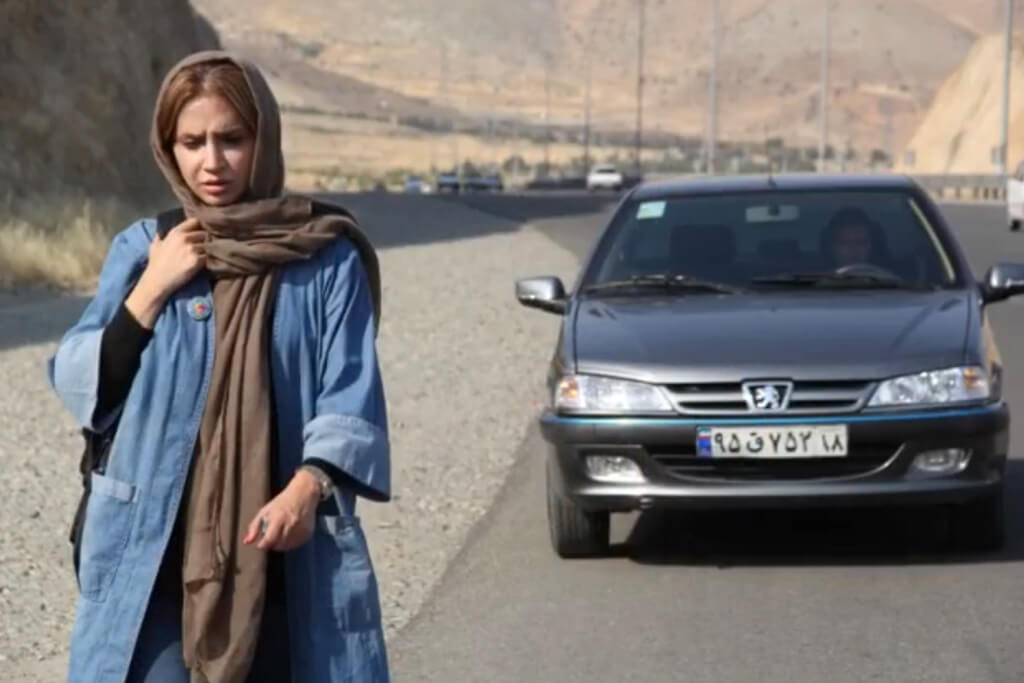
In the taxi: a young woman, obviously slightly injured, sits silently on the back seat, the nervous driver is supposed to take her to Tehran as quickly as possible.

Pruning Season (Fasle Haras)

Ghassem Tak Dehghan is desperate to patent his groundbreaking discovery: supposedly a natural cure for cancer. He is constantly on the lookout for a trustworthy person or institute – full of suspicion that someone might steal his formula and commercialise it.

Drowning in Holy Water (Mordan dar Abe Motahar)

Rona and Hamed, a young Afghan couple, arrive illegally by bus in Tehran. From there they want to flee to Europe in the hope of a better life.

Untimely (Bigah)

Hamin is doing his military service in a watchtower on the Gulf of Oman, in the border area between Iran and Pakistan. He unintentionally kills his commander in an argument when he refuses to grant him leave for his sister Mahin’s wedding celebration.

Iranian Pet club (Bashga-he Heyvanat)

Despite – or perhaps because of – religious and traditional prohibitions, the keeping of pets in the middle and upper classes of Iranian cities has taken on almost excessive proportions

Women in Iran: Short Films #2

It was My City (8”), Reverence (15”), American Bull (15”), Violet (15”), Hanged (13”), Icky(5”)

Women in Iran: Short Films #1

Exam (15”), Absent Wound (10”) The Visit (14”), Grandad was a Romantic (5”), The Role (15”), The Toaster I Used to Live in (7”), Tangle (7”)

Numbness (Bi Hessi Mozeie)

The professional cynic and philosophy student Jahel lives together with his mentally unstable sister Mary, who suddenly enters into a marriage with the football-loving and apparently quite wealthy Shahrokh.

Filmfarsi

Ehsan Khoshbakht resurrects the era of Iranian popular cinema with his grip on the VHS archive and a tremendous amount of montage hard work.

Formerly Youth Square (Meydane Javanan – Sabegh)

The journalist and filmmaker Mina Akbari looks at an old photograph showing seventy former members of the editorial staff of the newspaper “Jame’e”, taken at what was then “Youth Square”.

Ranger and Leopard (Vortex) & In the Realm of the Spider-Tailed Viper

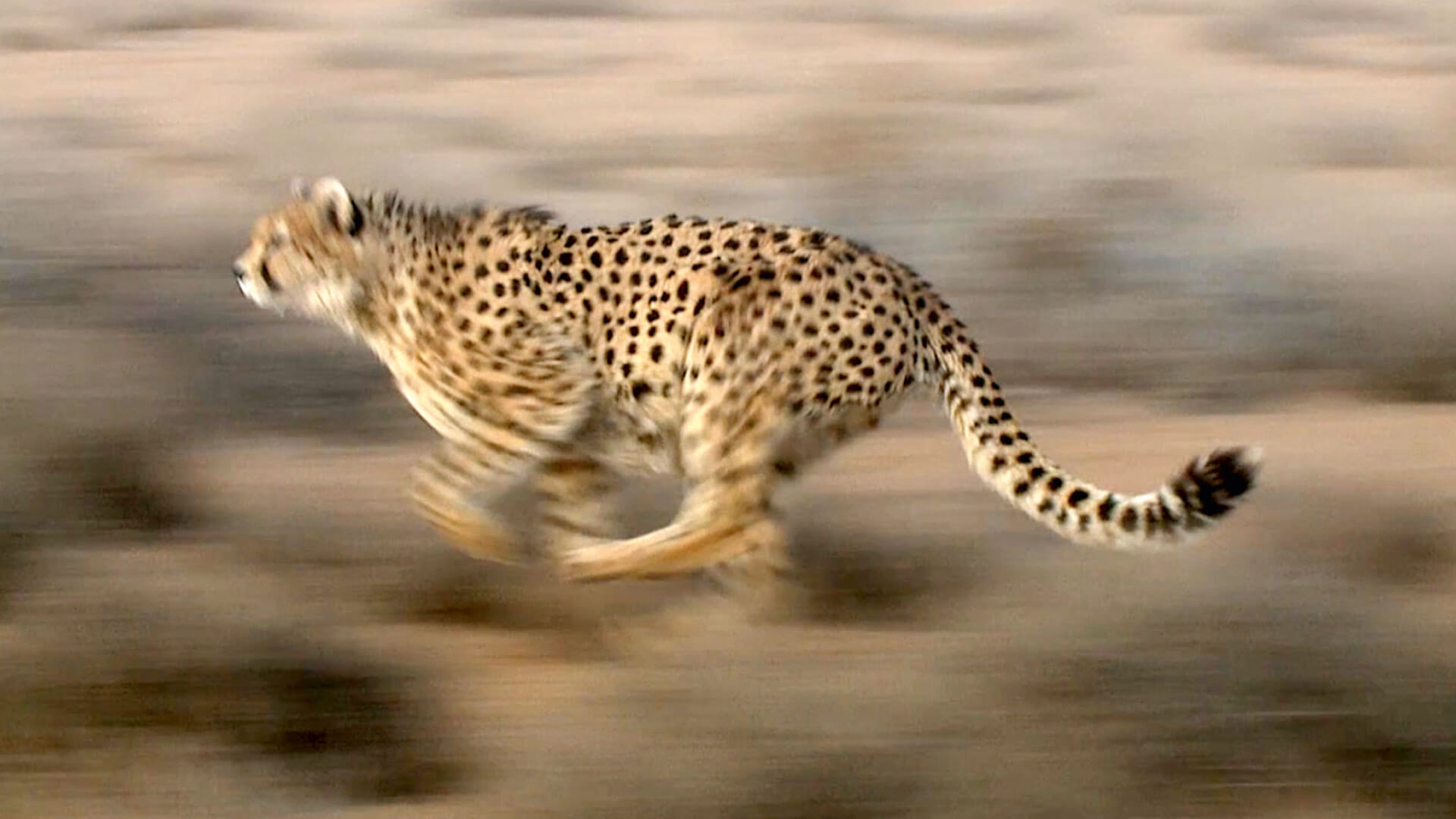
Largely unnoticed by western audiences, the genre of Iranian nature films has reached a remarkable level. It takes us into a rich flora and fauna amidst overwhelming natural scenery.

The Alien (Namo)

The teacher Bakhtiyar was transferred to the Kurdish-speaking part of Iran. Social surveillance at home and at school makes it difficult for him and his family to arrive, especially as he does not want to simply submit.

None of Your Business (Va kas che)

The culture and history of the multicultural port city of Bandar Abbas is very different from that of central Iran. One of its most dazzling and tragic figures is the musician Ebrahim Monsefi.

Exodus

2.5 million Afghans seek protection from war, misery and persecution in neighbouring Iran. Often without documents, they hope for a safer and better life – and sometimes a way to Europe.

The Unseen (Kaghazpareha)

Because of an upcoming state visit, the streets are “cleaned” of homeless people, sex workers and drug addicts and these are taken to special detention centres outside the city, deprived of their rights, dignity and freedom.

The Warden (Sorkhpoust)

Iran in the 1960s: In a wasteland in the south of the country, an old prison fortress is to make way for an airport. The ambitious Colonel Jahed supervises the eviction.

Death and the Judge (Marg Va Ghazi)

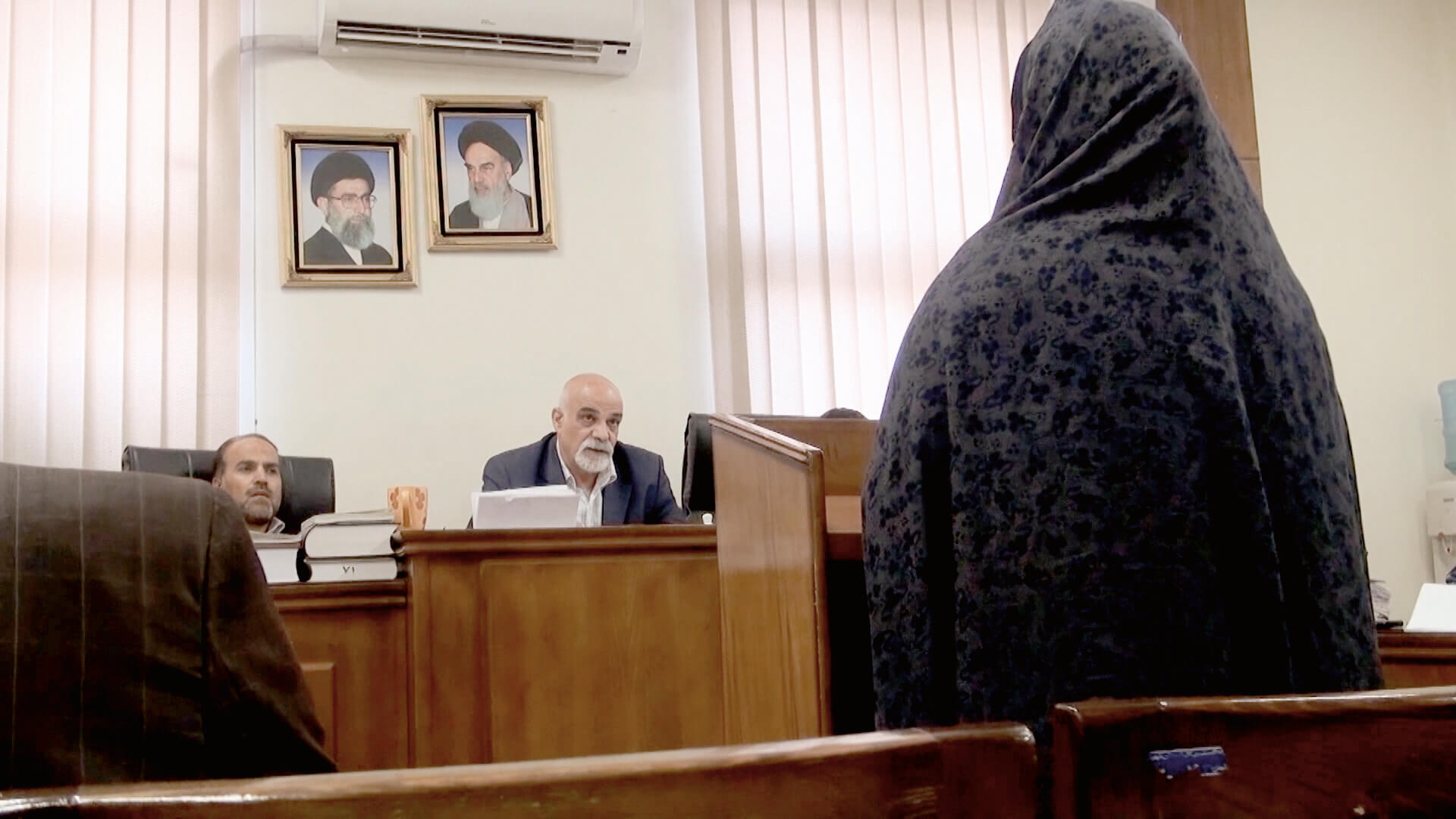
The notorious criminal judge Nourollah Aziz-Mohammadi has sentenced 4000 people to death in his 45 years of service – a world record.

When the Moon was Full (Shabi Ke Maah Kamel Shod)

Abdol-Hamid, from the border area between Iran and Pakistan, falls in love with Faezeh from Tehran. Soon after the wedding, she notices that Abdol-Hamid’s brother is becoming increasingly radicalised.

No Place for Angels (Jayi Baraye Fereshteha nist)

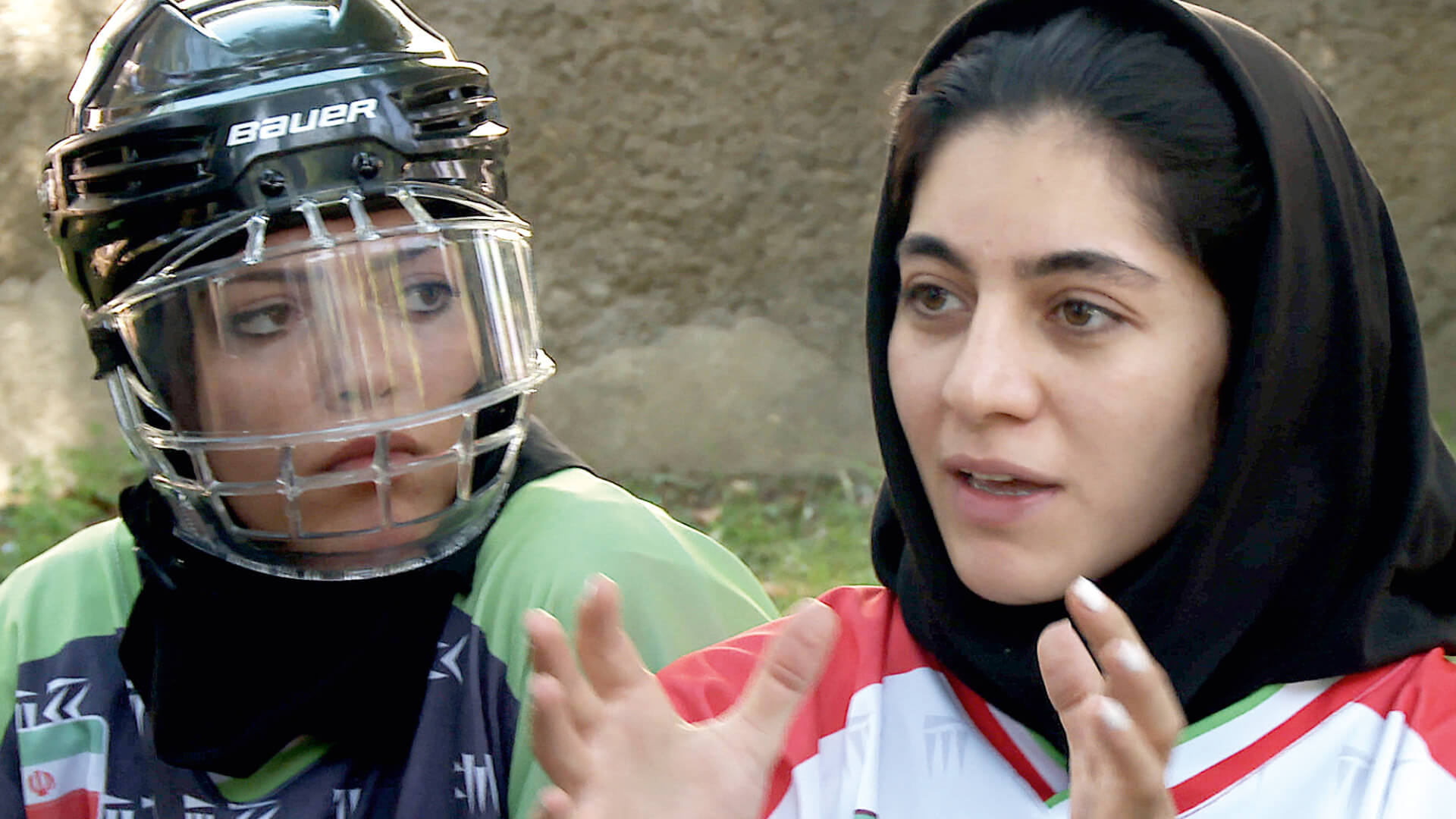
The history of the Iranian national women’s hockey team, which wants to participate in the Asian games in South Korea despite difficult starting conditions.

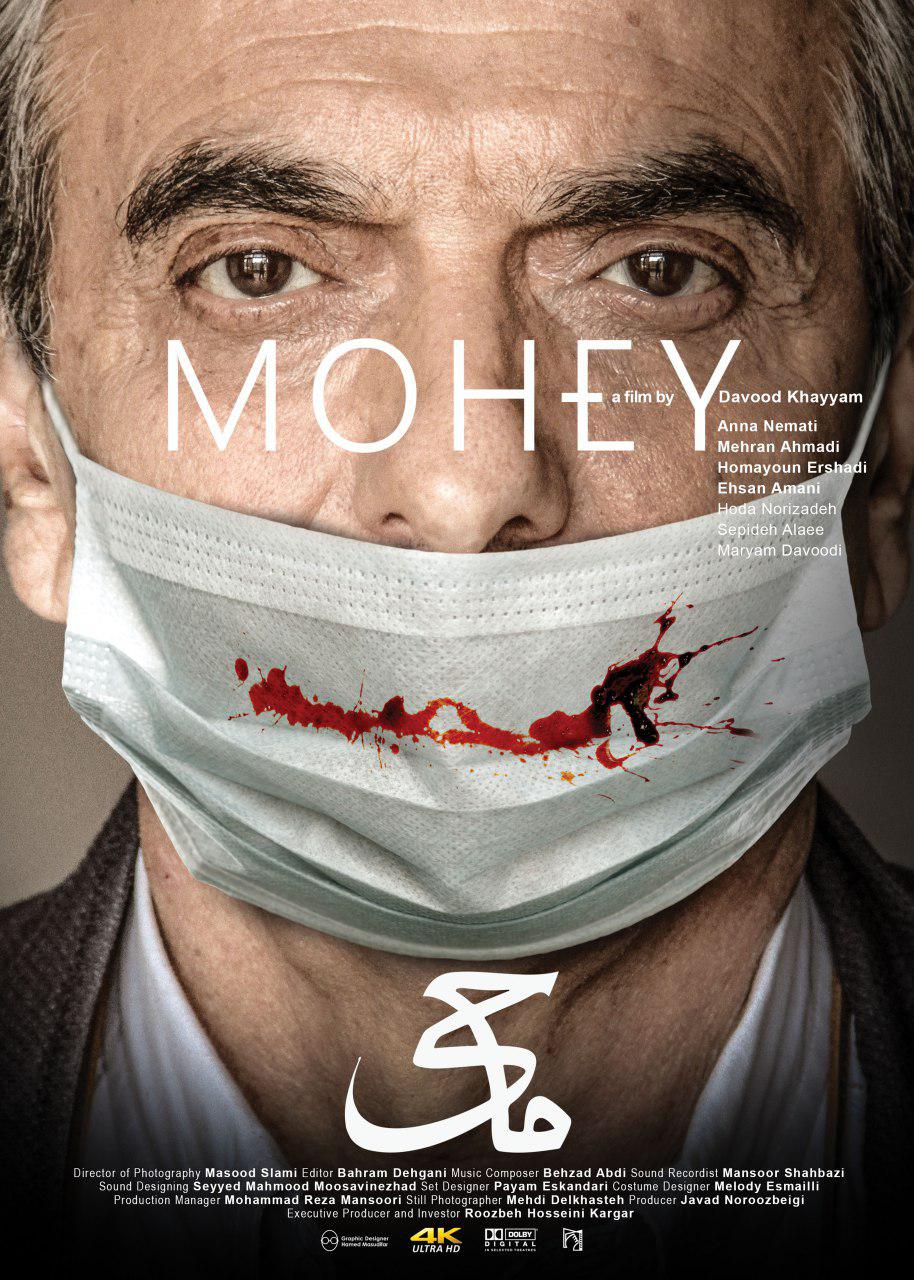
Mohey

Als Mohey aus dem Waisenhaus geholt und von ihrer Zwillingsschwester getrennt wird, beginnt für sie ein Leben im kriminellen Milieu von Geldwäsche und Schattenwirtschaft.

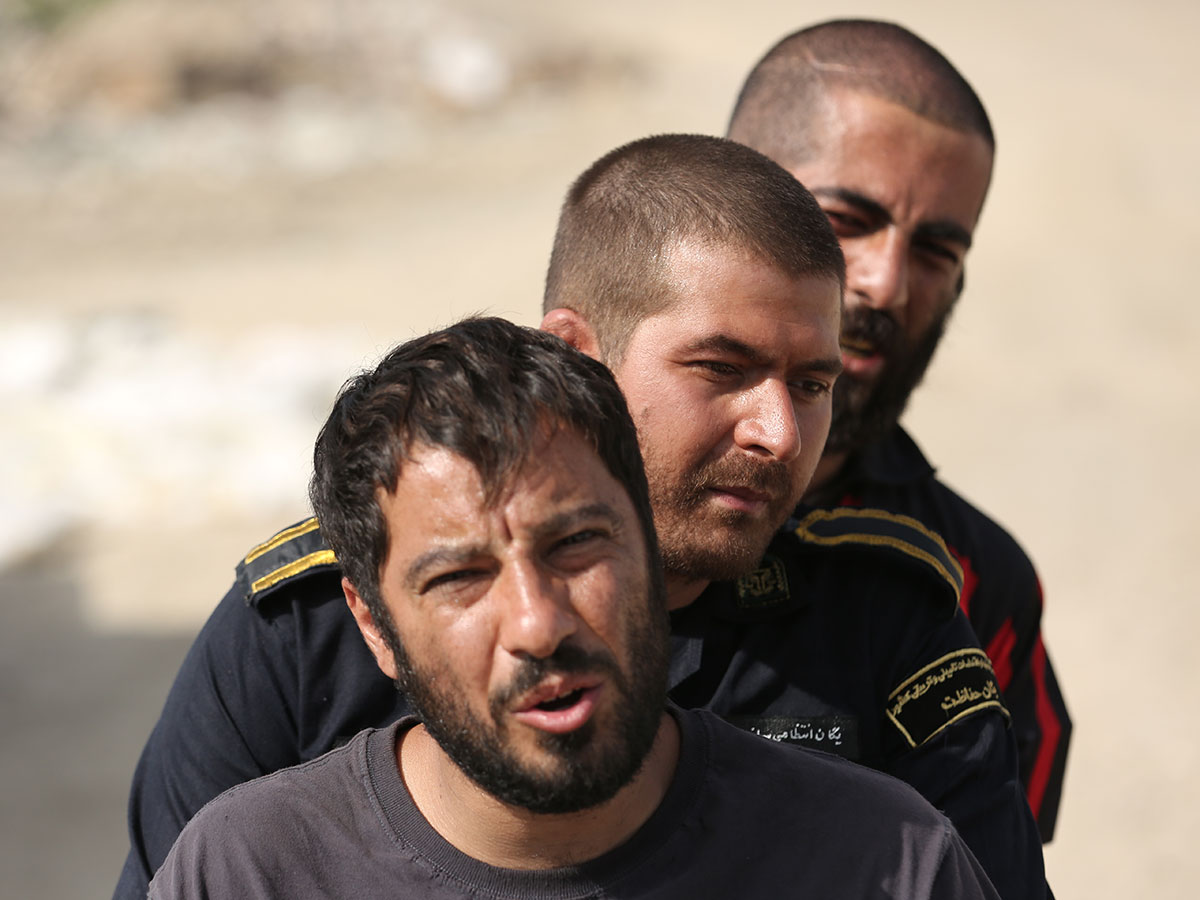
Sheeple (Maghz-haye Koochak Zang-Zadeh)

Shakur and his brothers Amir and Shahin control the drug trade in the suburban jungle with their crystal meth laboratory, but when their sister’s honor is at stake, Shahin starts a gang war.

Short films 4: Teheran Nostalgia

Love in Close Up, short film
Red Dress, Video/Re-Performance
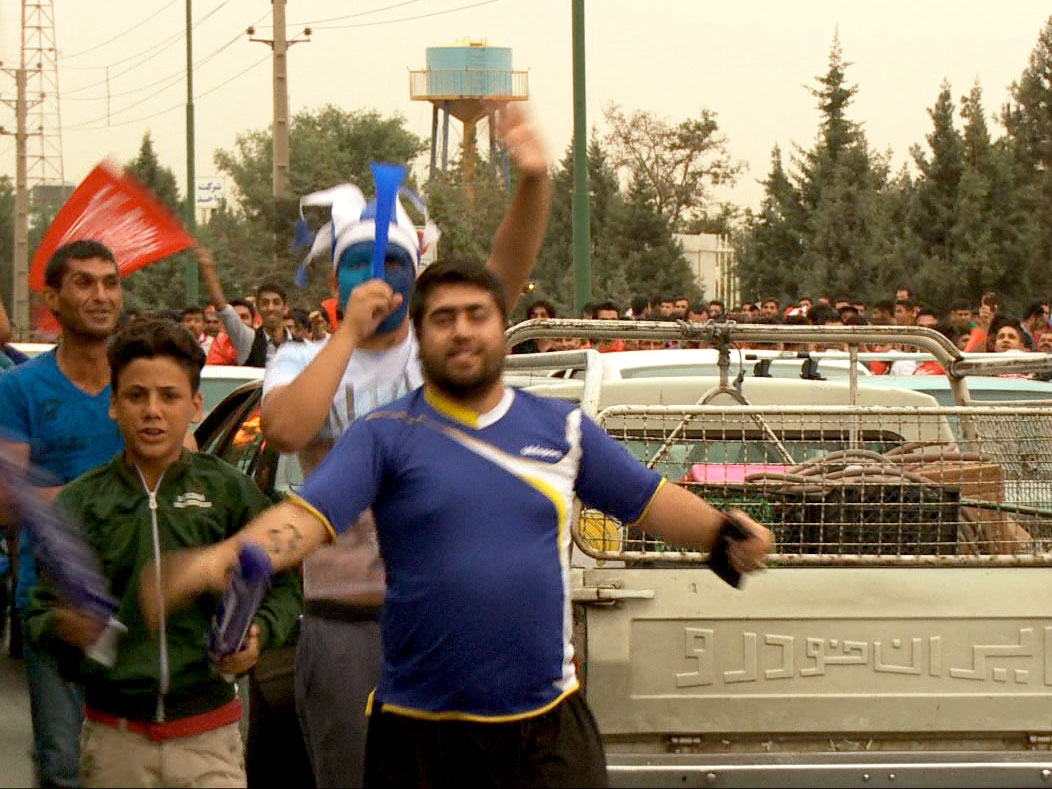
Tehran Derby, 
short documentary

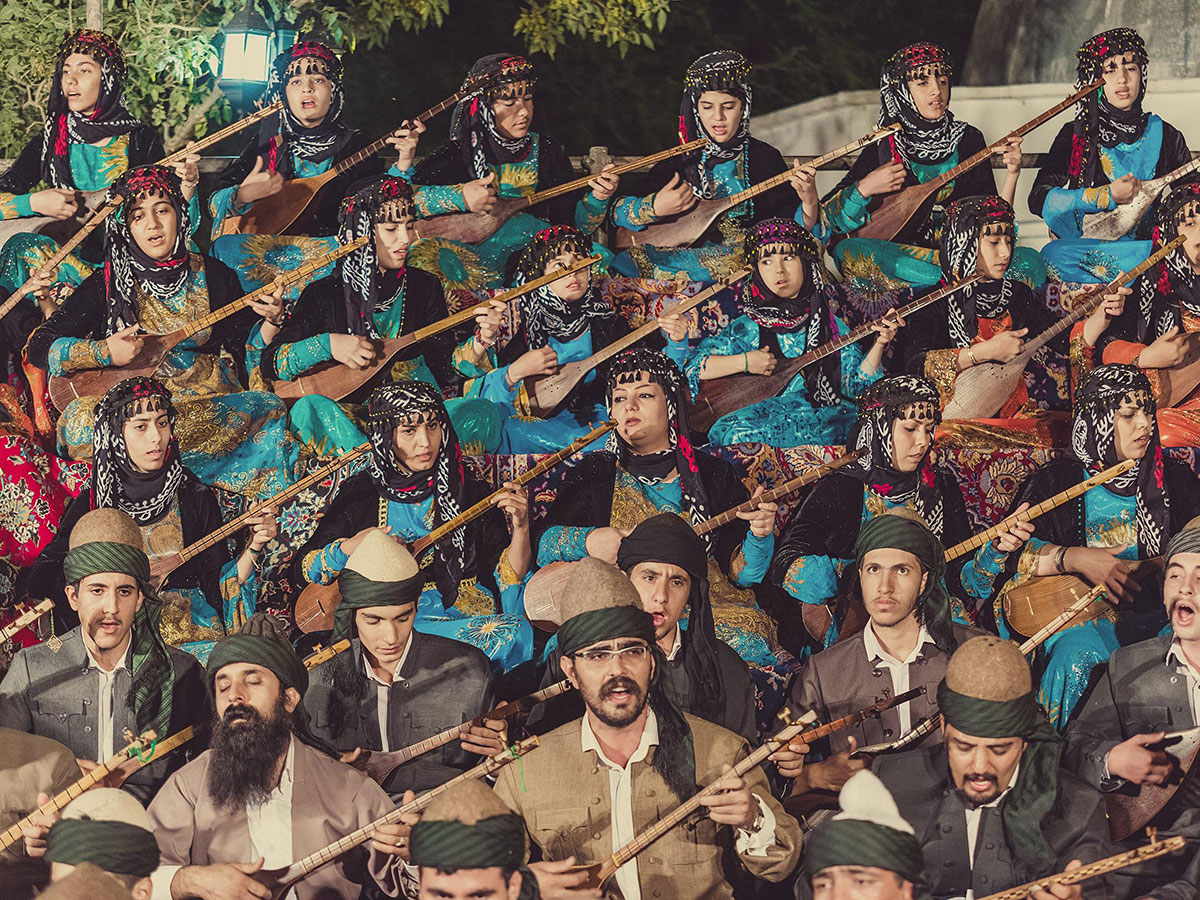
Song Of God

A film of colours and sounds: SONG OF GOD leads to the enigmatic group of Yarsani (Ahl-e Haqq), which is widespread in the Iranian-Kurdish border region.

Janbal

The Dervish-Artist Musa, who lives on the island of Hormoz, explores the ancient rituals, myths and mysteries of the Arabian, African and Indian-influenced Persian Gulf region.

Short Films 3: Kanoon Animation Films

The animation films produced by Kanoon make use of all the medium’s possibilities for transformation and metamorphosis: a shadow that becomes independent, a little man that escapes the carpenter’s wood chips, a small bird that befriends a scarecrow, and goats that become clouds.
Reza

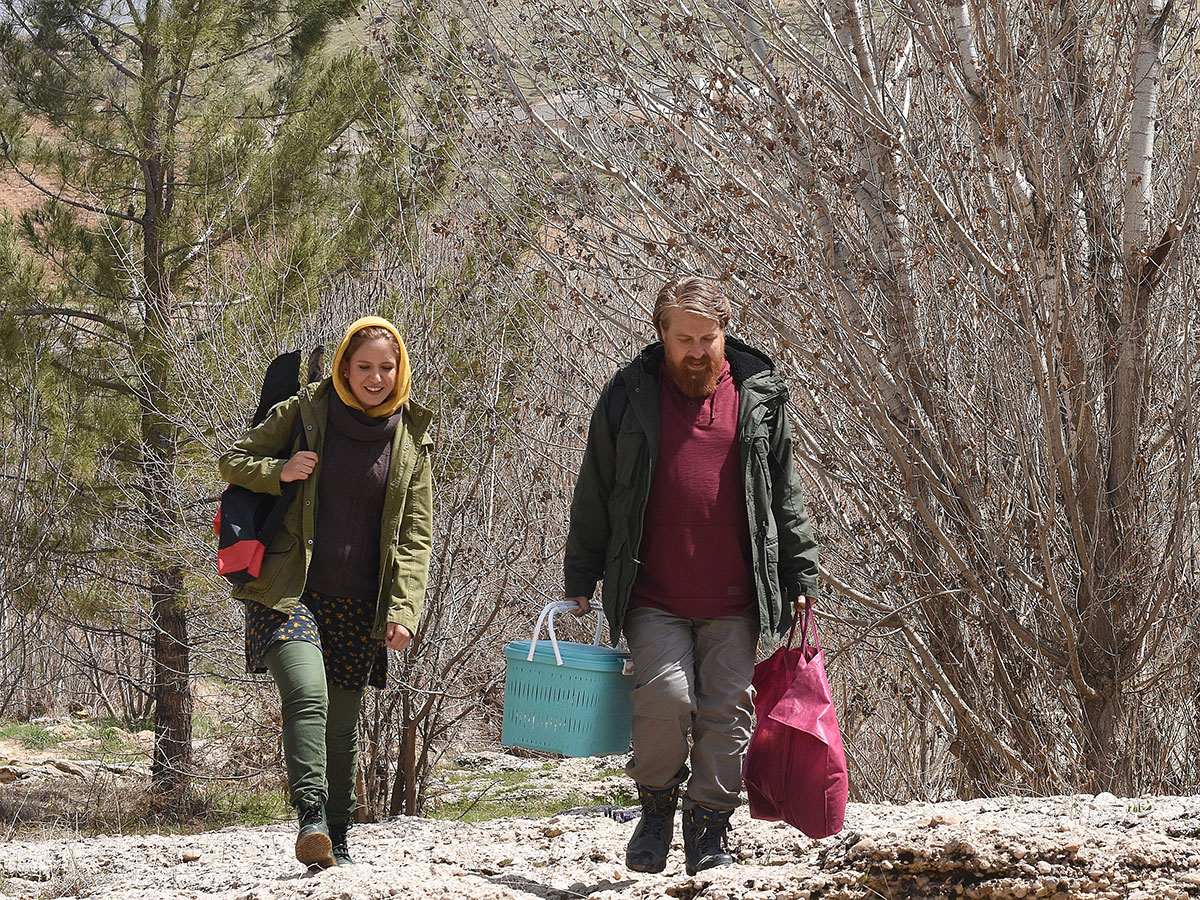
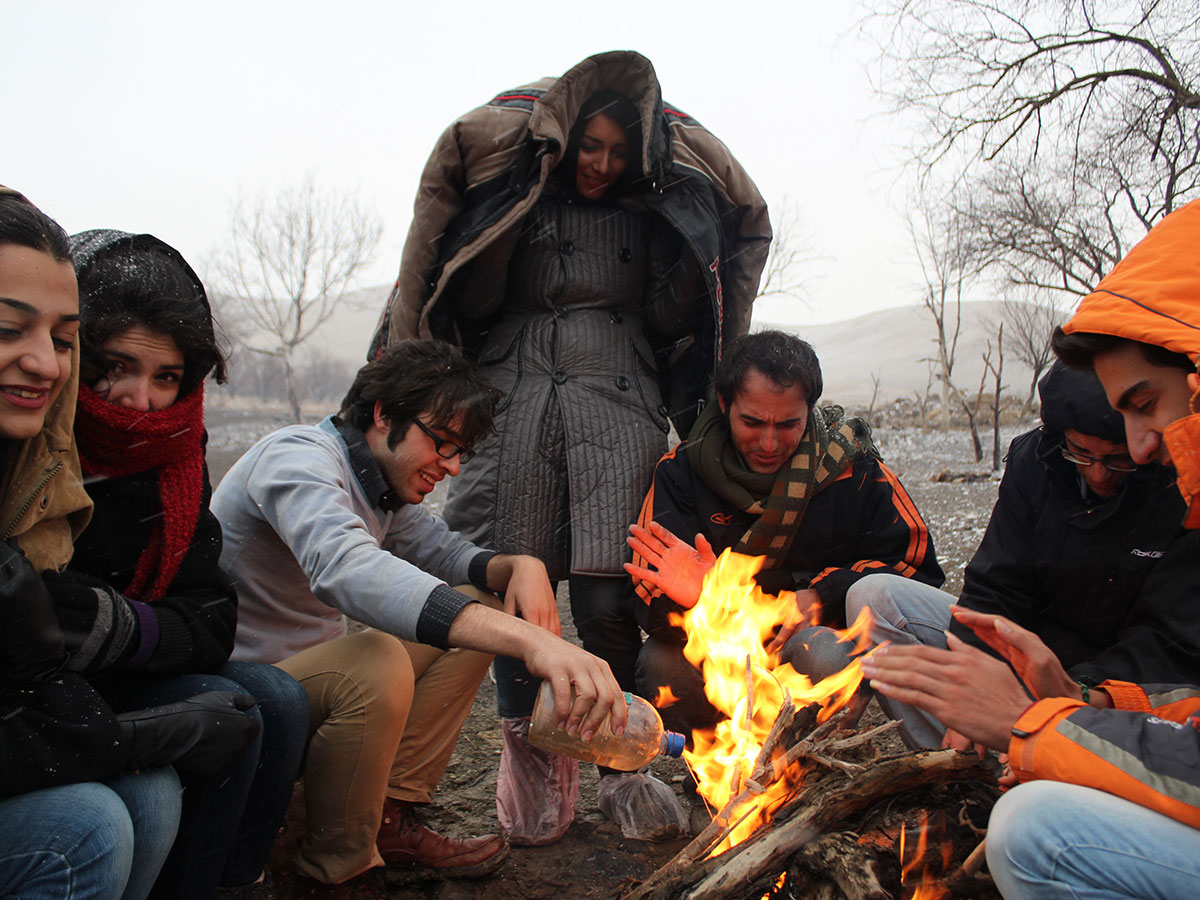
According to Islamic law, Reza and Fati have three months to revoke their divorce. Reza tries a new beginning, starts to write a book, makes friends with the waitress Violet, but also remains connected to the unhappy Fati.

The Report of Yousefi’s Runaway (Gozareshe Farare Yousefi)

Toghiri’s debut approaches the situation of young people in Iran from different perspectives. Omid, Aida, Amir and Sepideh belong to a group connected by friendships and love relationships.

Yesterday drought, today flood. And tomorrow?

Ehsani has been documenting the threat to Iran’s limited water resources for a long time. His latest film portrays the rich cultural landscape the river Karoon passes on its way.

The Paternal House (Khaneh Pedari)

1929: A mansion in Tehran, a young woman disappears into the cellar. The following generations, especially the female family members, suffer from the crime that was never solved.

Mouth Harp in Minor Key – Hamid Naficy in/on Exile

Maryam Sepehri portrays the important film historian and intellectual Hamid Naficy, who has been living in exile in California for four decades.

Short Films 2: FiDAN films

The Iranian short film shows interests and motivations of young filmmakers, it reveals new perspectives and upcoming masters. Together with filmmaker Iman Behrouzi we present a selection of the distributor FiDAN films.

Short Films 1: Art & Experience

The ART & EXPERIENCE association brings sophisticated artistic perspectives to selected cinemas. As part of a cooperation, we show a selection of current, often award-winning short films.

Orange Days (Rooz-Haye Narenji)

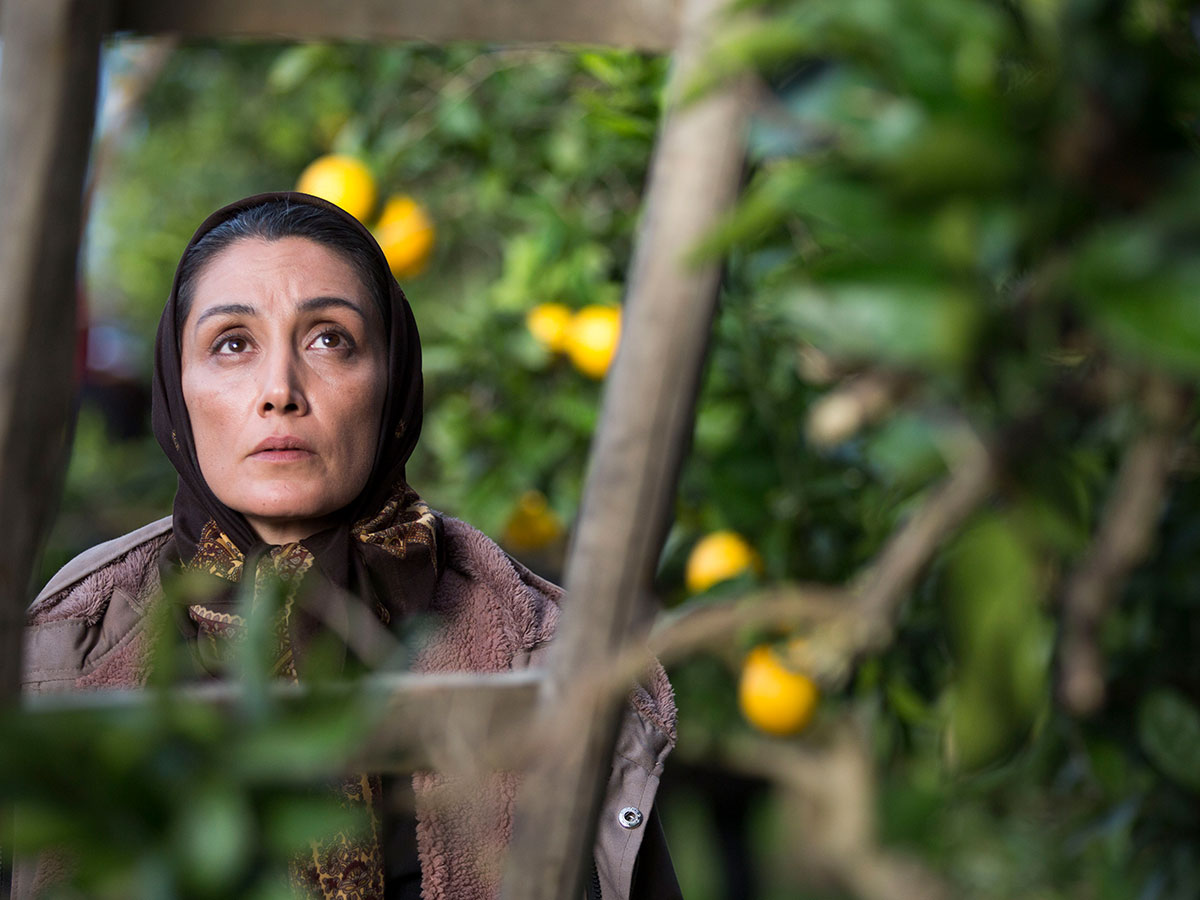
Aban, a woman in her mid-forties, employs seasonal workers at the orange harvest in Northern Iran. When she wins a tender for the largest plantation in the region, she needs nerves of steel to keep the column of pickers happy.

Midnight Traveler

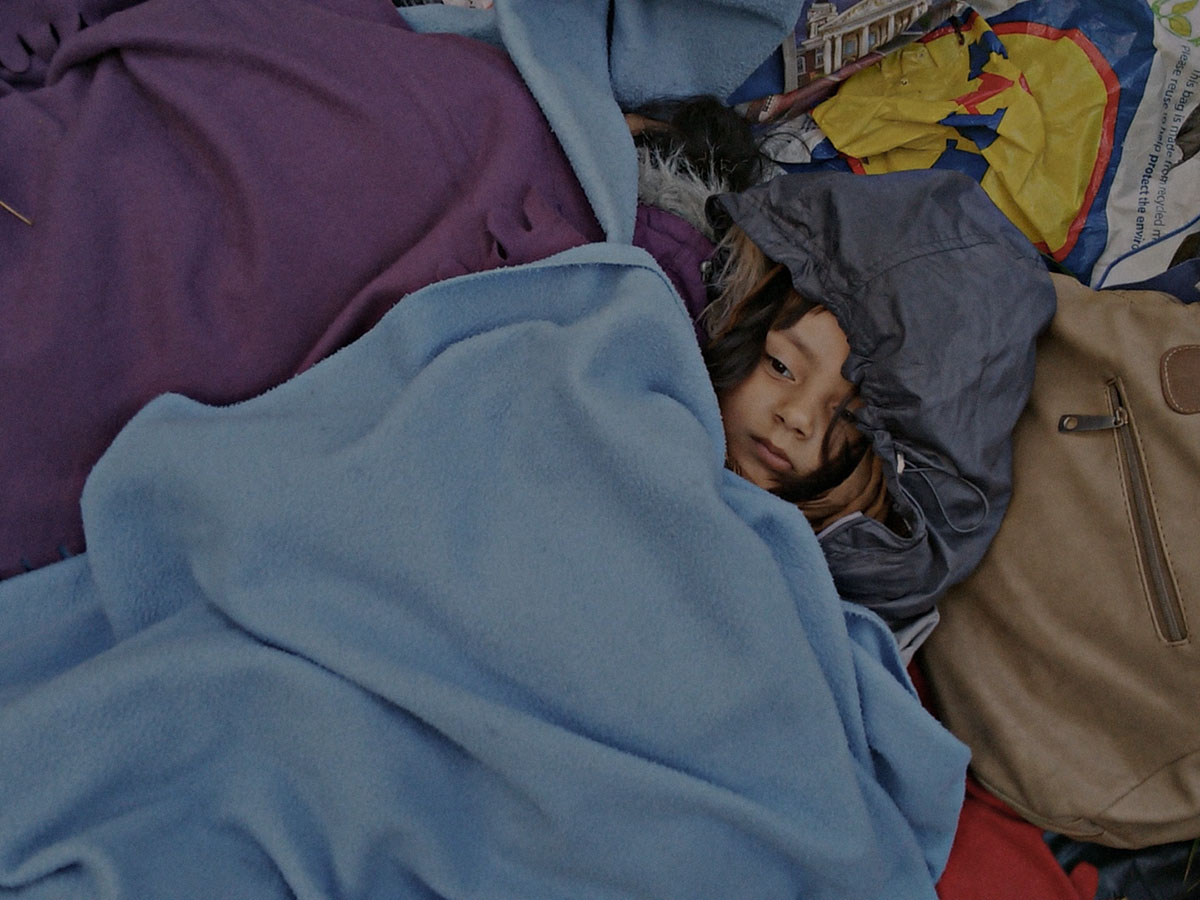
When the Taliban threatened Afghan director Hassan Fazili with death in 2015, he was forced to flee with his wife Fatima and daughters Nargis (11) and Zahra (6).

16 Women

Four generations of Iranian women from Tehran talk about their dreams, about their worries and about love: For the elderly it is about love for their husbands and mothers, for the young it is also about love for art, their profession or their pets.

“Ali Abbassi Presents: 30 Years of Nightmare” – Book presentation by Ghasideh Golmakani

Abbassi was one of the most active producers of pre-revolutionary Iranian cinema. Abbas Kiarostami, Amir Naderi, Massoud Kimiaie – some of the most famous filmmakers initially worked for Abbassi’s “Payam Production”.
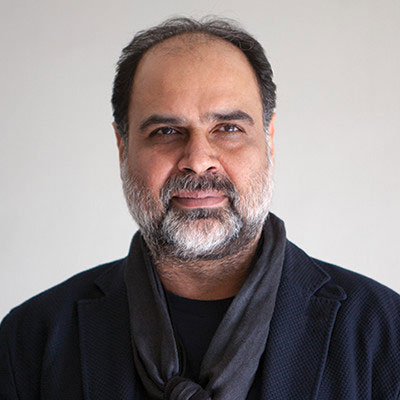
Mojatab Mirtahsmab

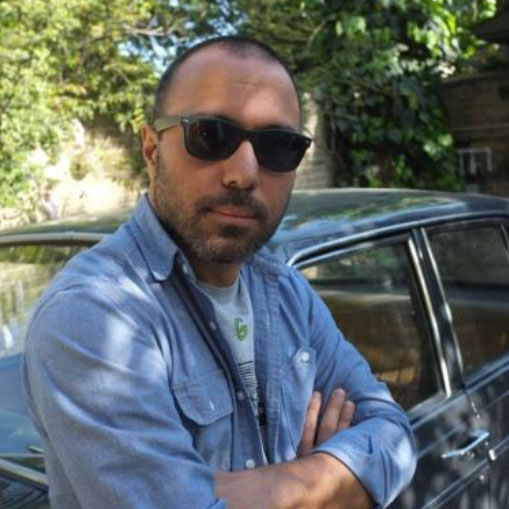
Shahin Armin