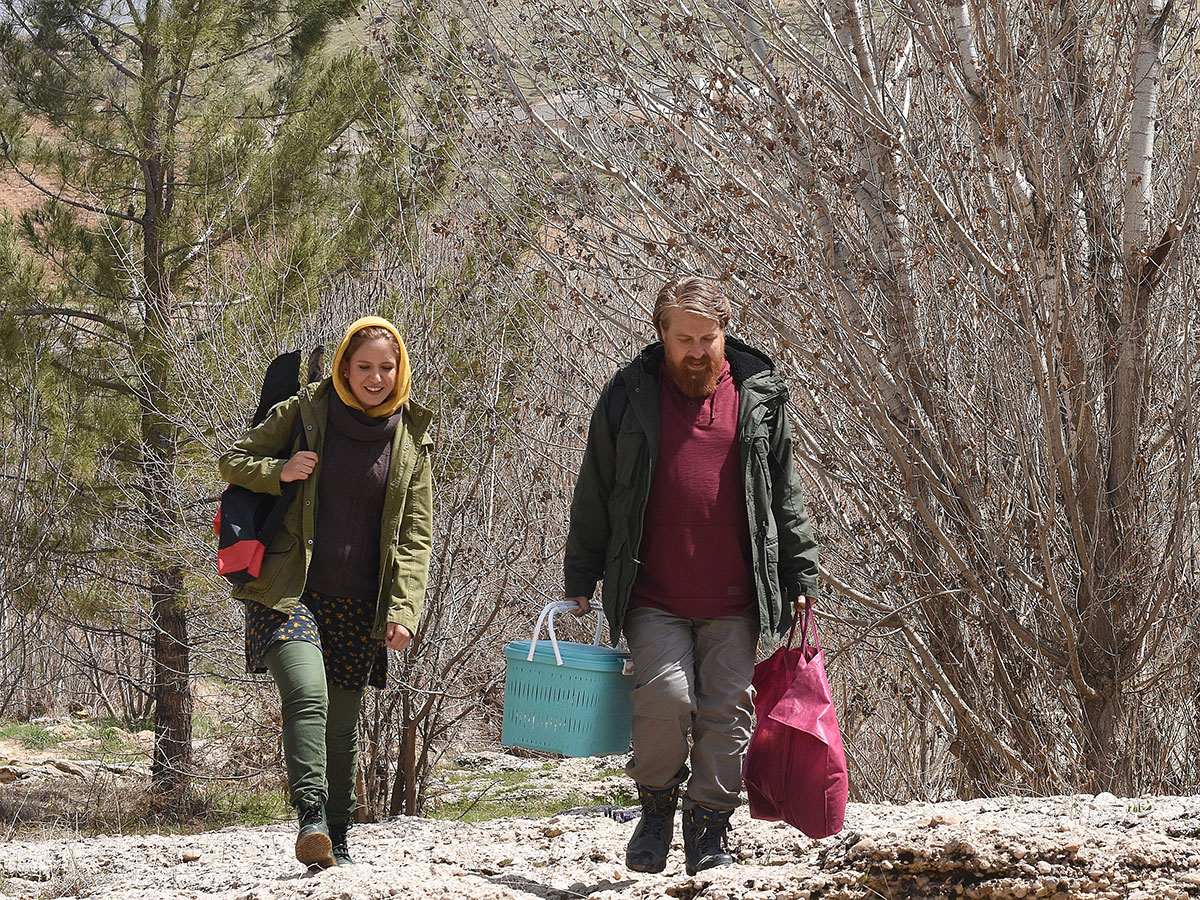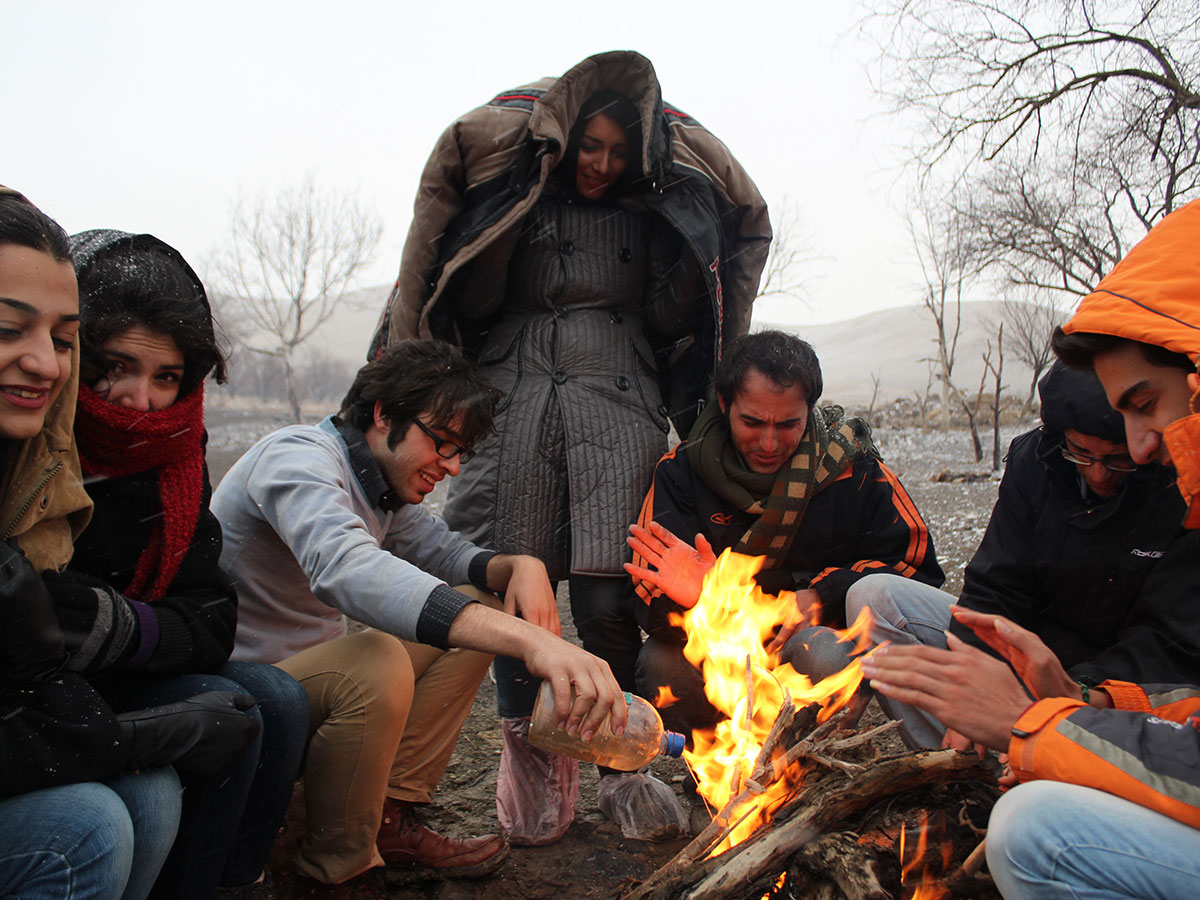
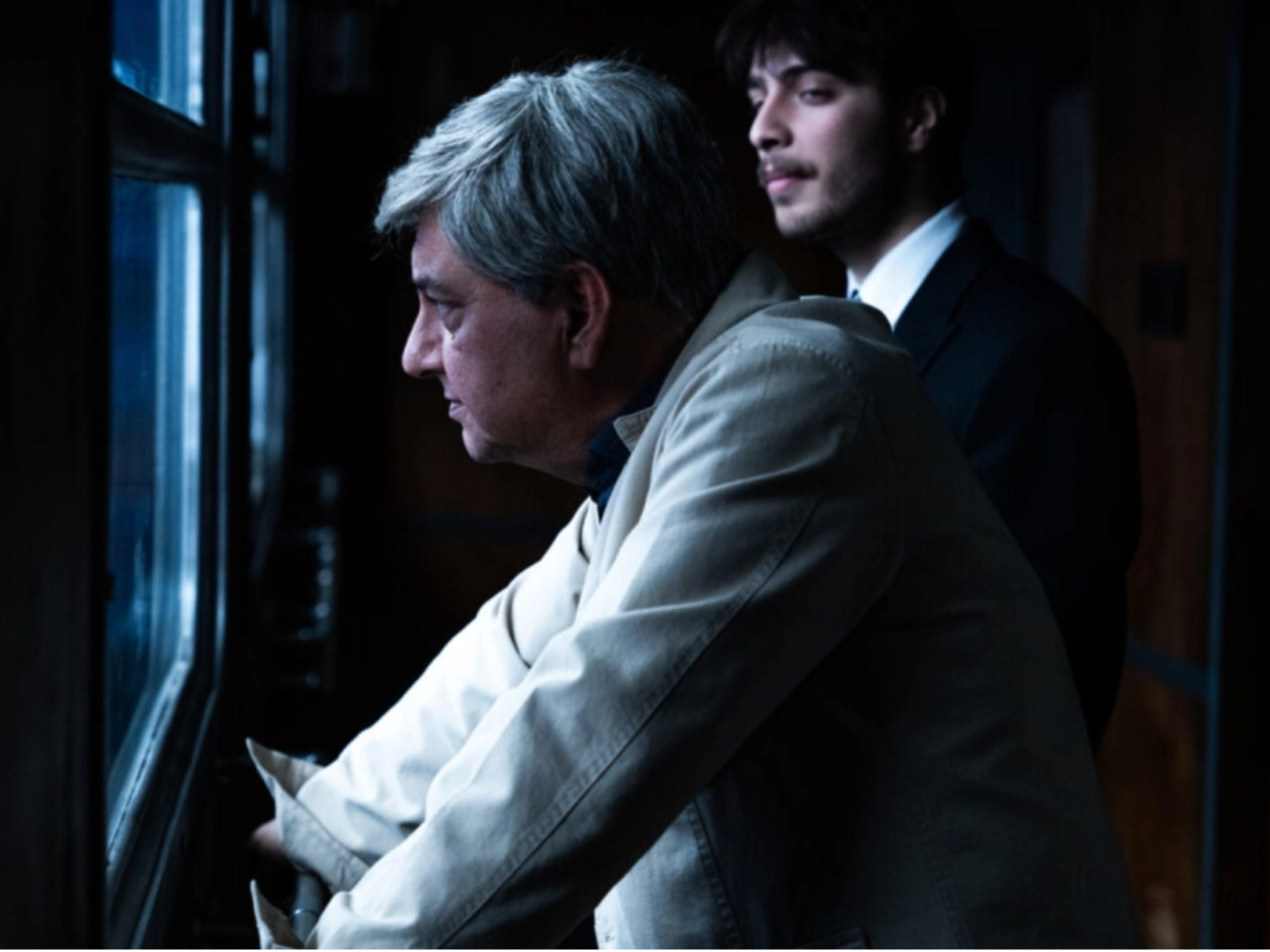
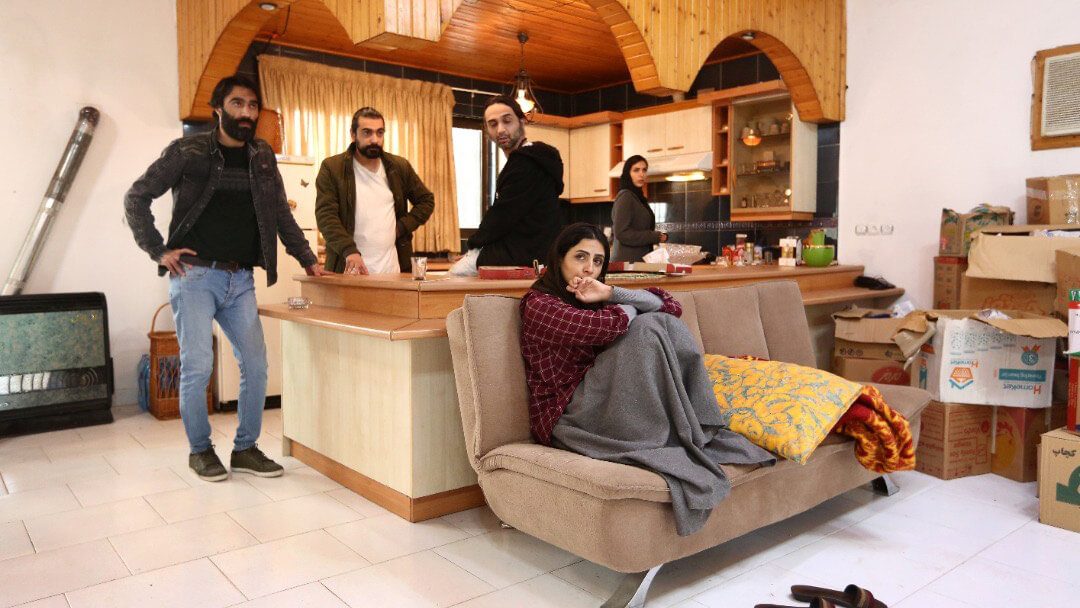
The participants in a role-playing game embark on a fictional train journey to the mysterious island of Hermia. Throughout the journey, everyone must remain strictly in character. But little by little, personal conflicts, repressed memories and hidden truths begin to intrude on the game. The apparent freedom of the journey increasingly transforms into a form of psychological and emotional control.
Films 2015
Short films & discussion, Sunday, 14 June 2026, 5.00 pm
Special: More than just a strait – Southern Iran
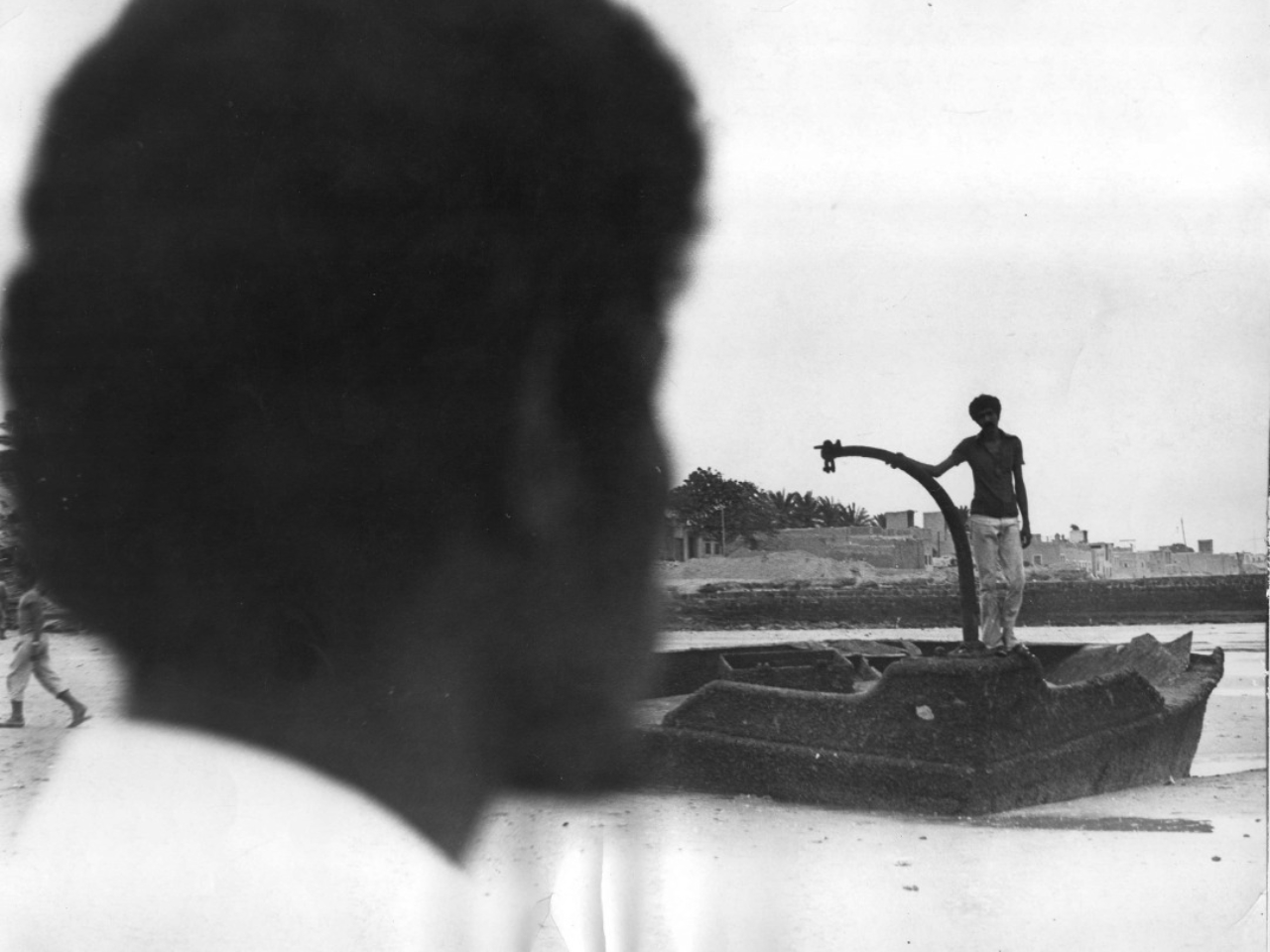
Whilst the Strait of Hormuz usually appears in the international news as a zone of military conflict and a strategic bottleneck, southern Iran is far more than that: an independent cultural region, shaped by African, Indian and Arab influences, with its own music, language and storytelling tradition.
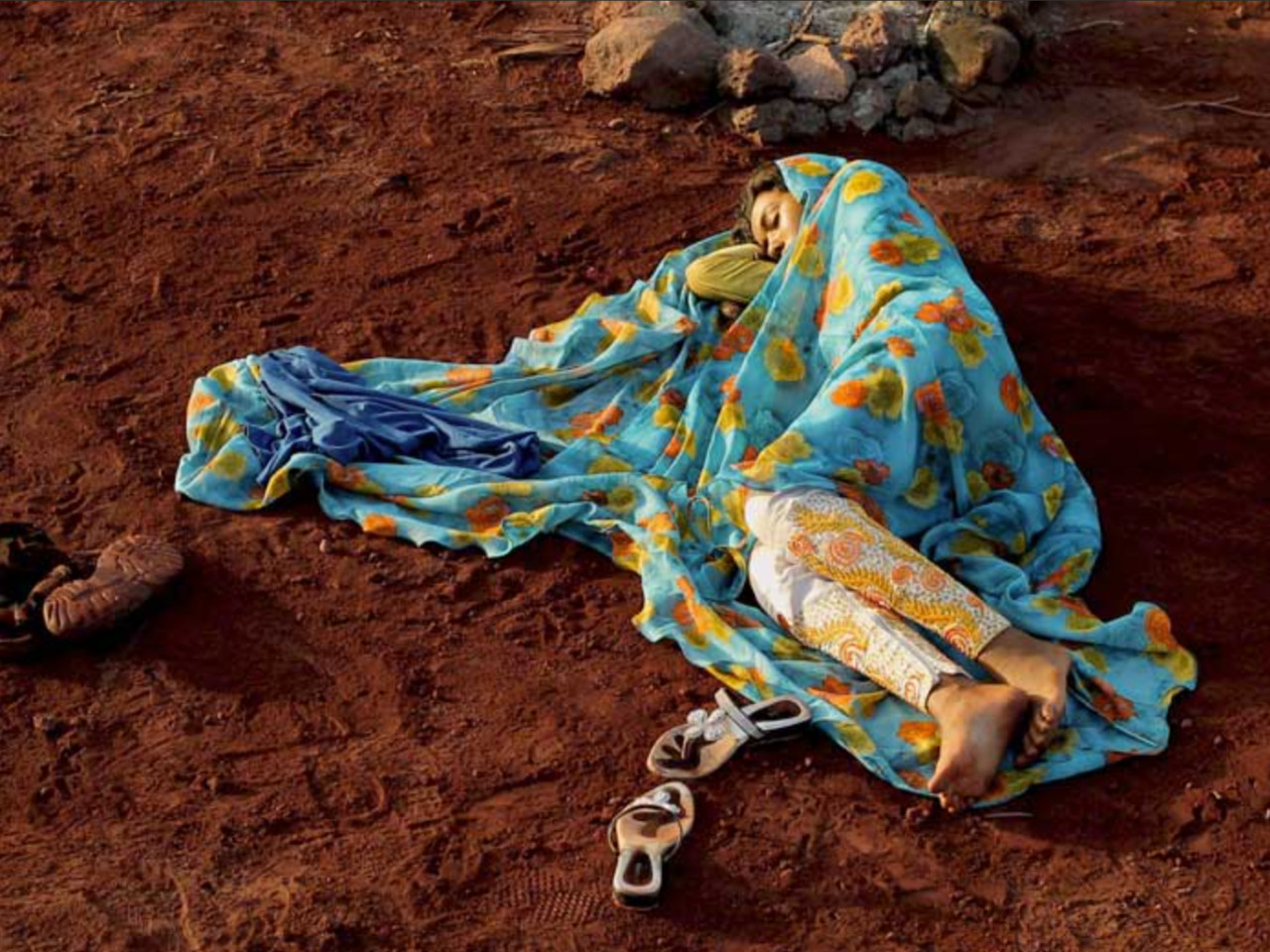
Teen drama, Sunday, 14 June 2026, 3.00 pm
Hendi and Hormoz
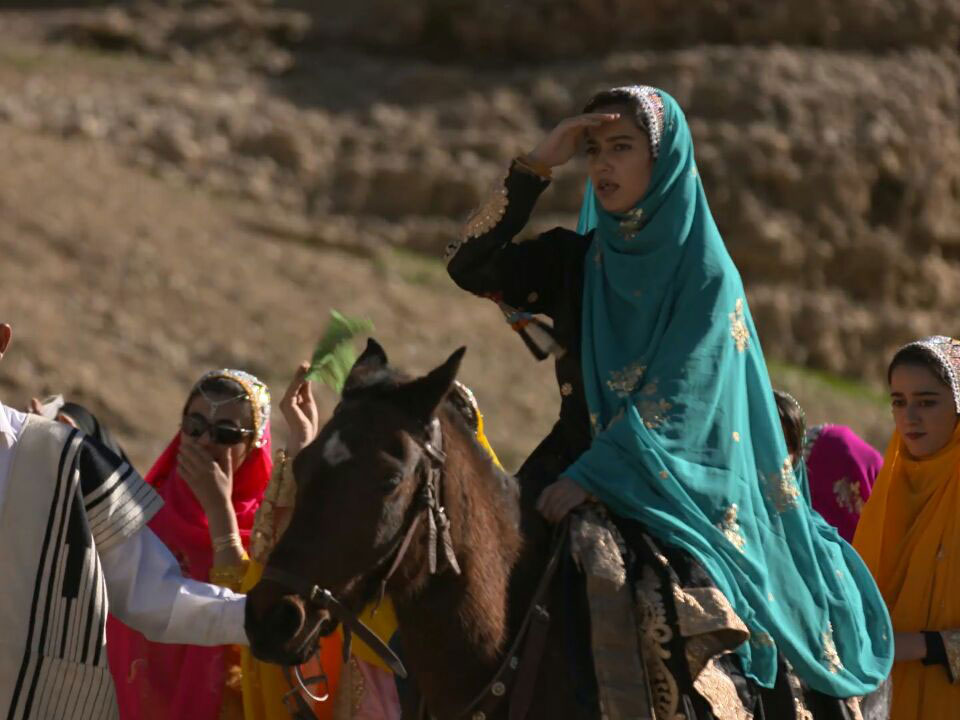
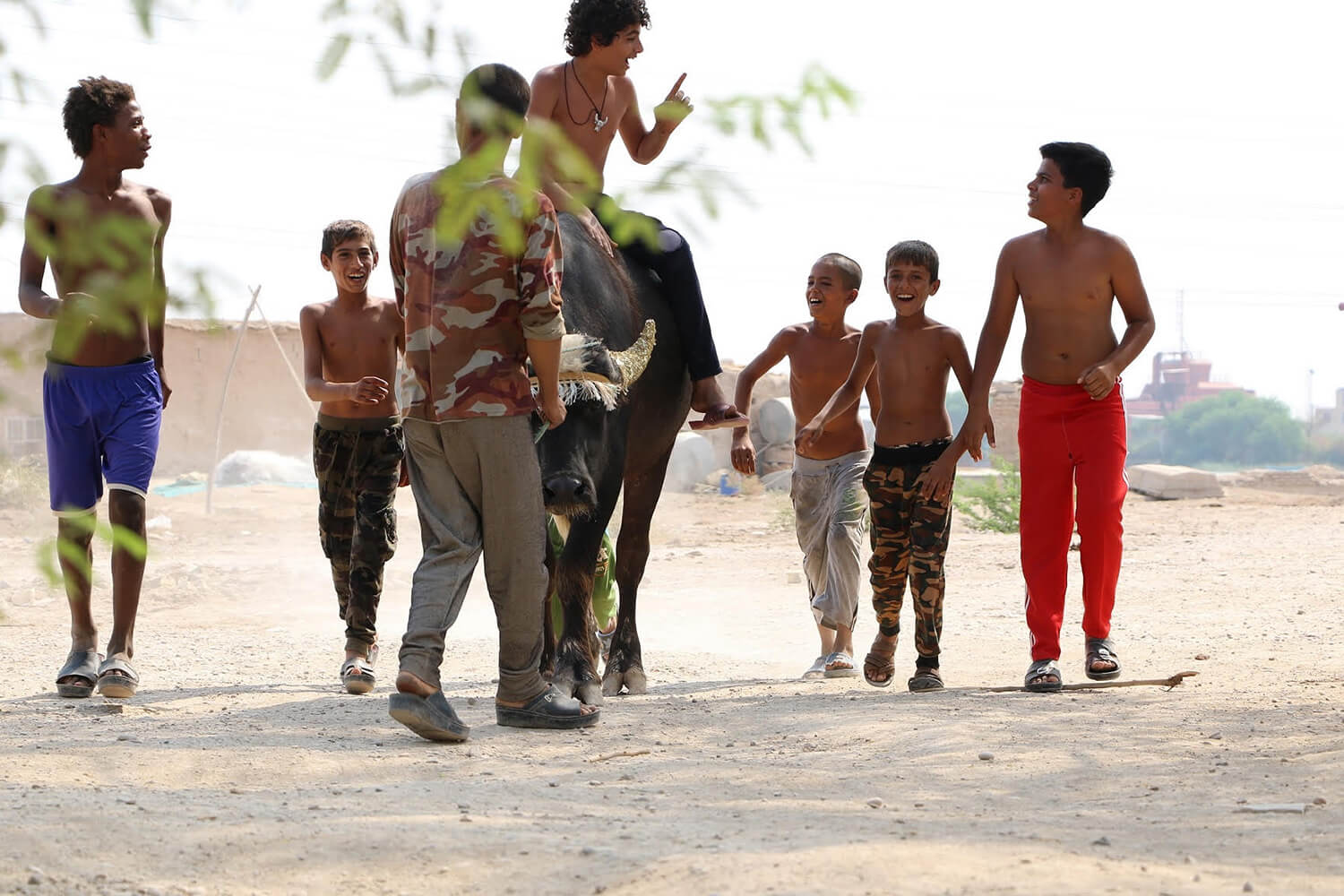
In recent years, Iranian cinema has increasingly turned its attention to the southern region around the Strait of Hormuz, an area rarely depicted on screen. To mark a special occasion, “Visions of Iran” presents Abbas Amini’s poignant teenage drama “Hendi and Hormoz”, which was screened in the Berlinale’s Generation 14plus section in 2018.
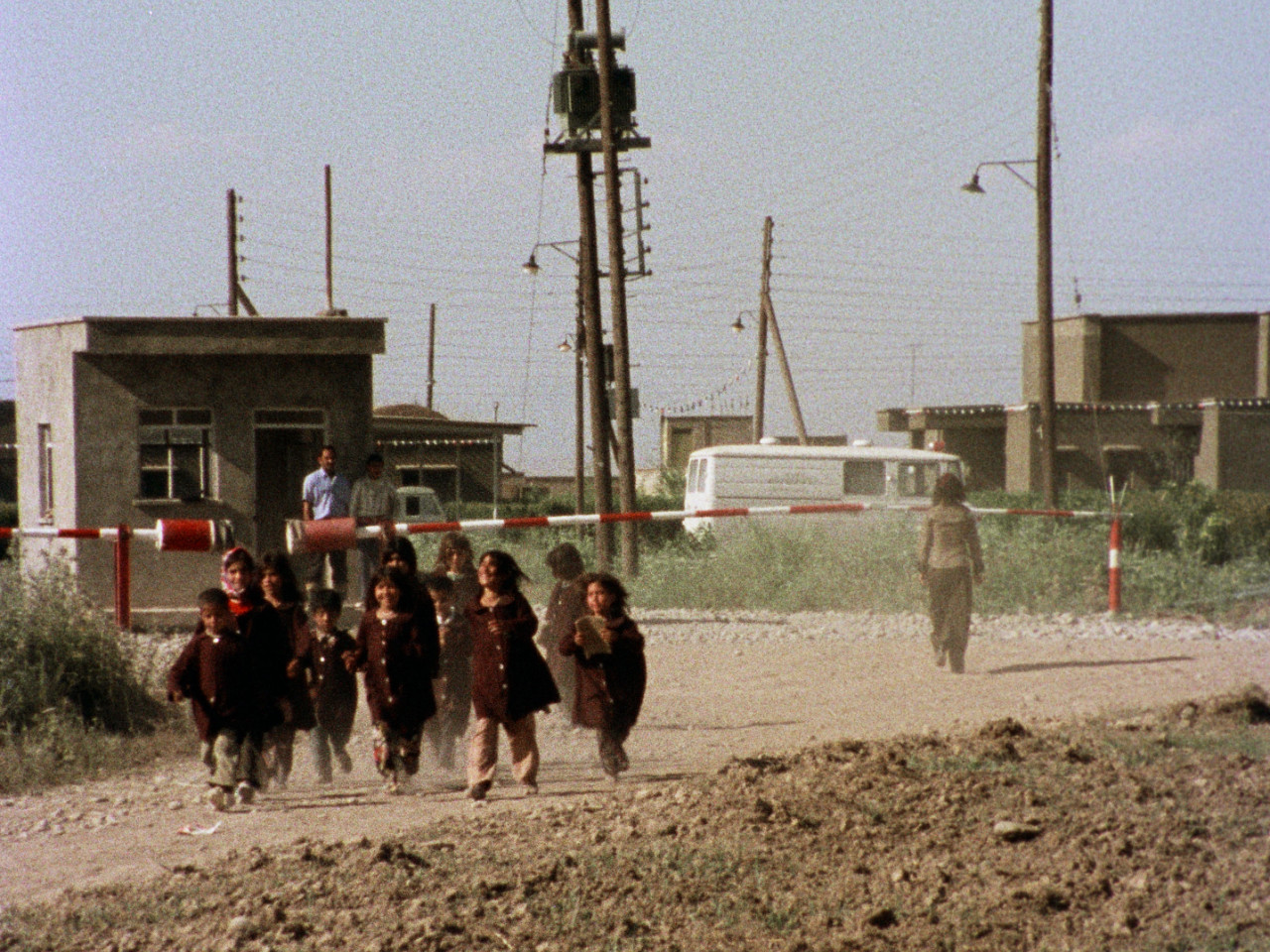
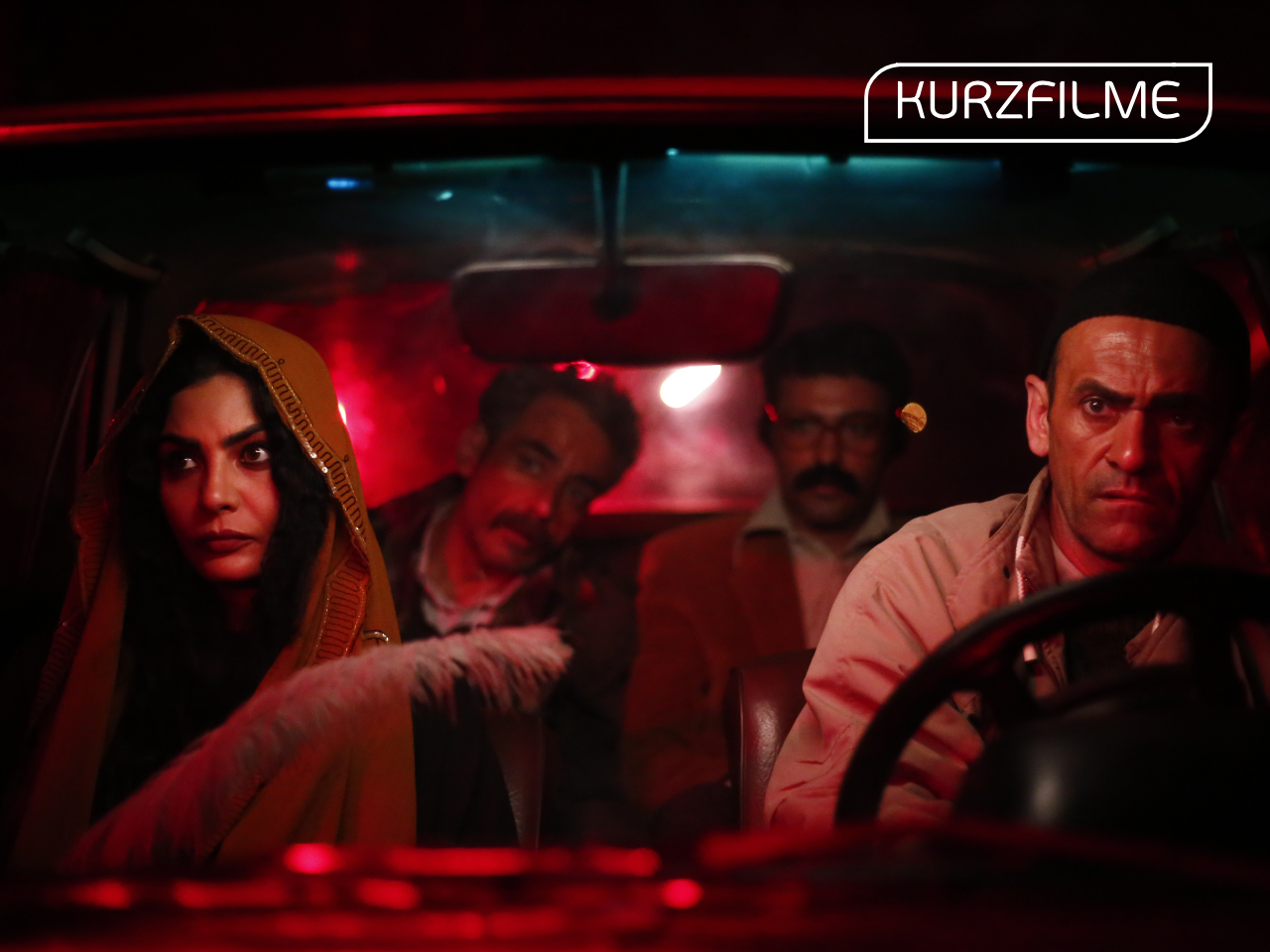
Short films, Saturday, 13 June, 9.30 pm
Life is too Short
The short film is often more immediate, experimental and less constrained than the feature film. In Iran, this format offers filmmakers the opportunity to process social tensions, personal experiences and political moods quickly and directly through art. Curator Ghasideh Golmakani presents a selection of recent short films again this year – a cinematic retrospective of a year marked by crises, uncertainty and war
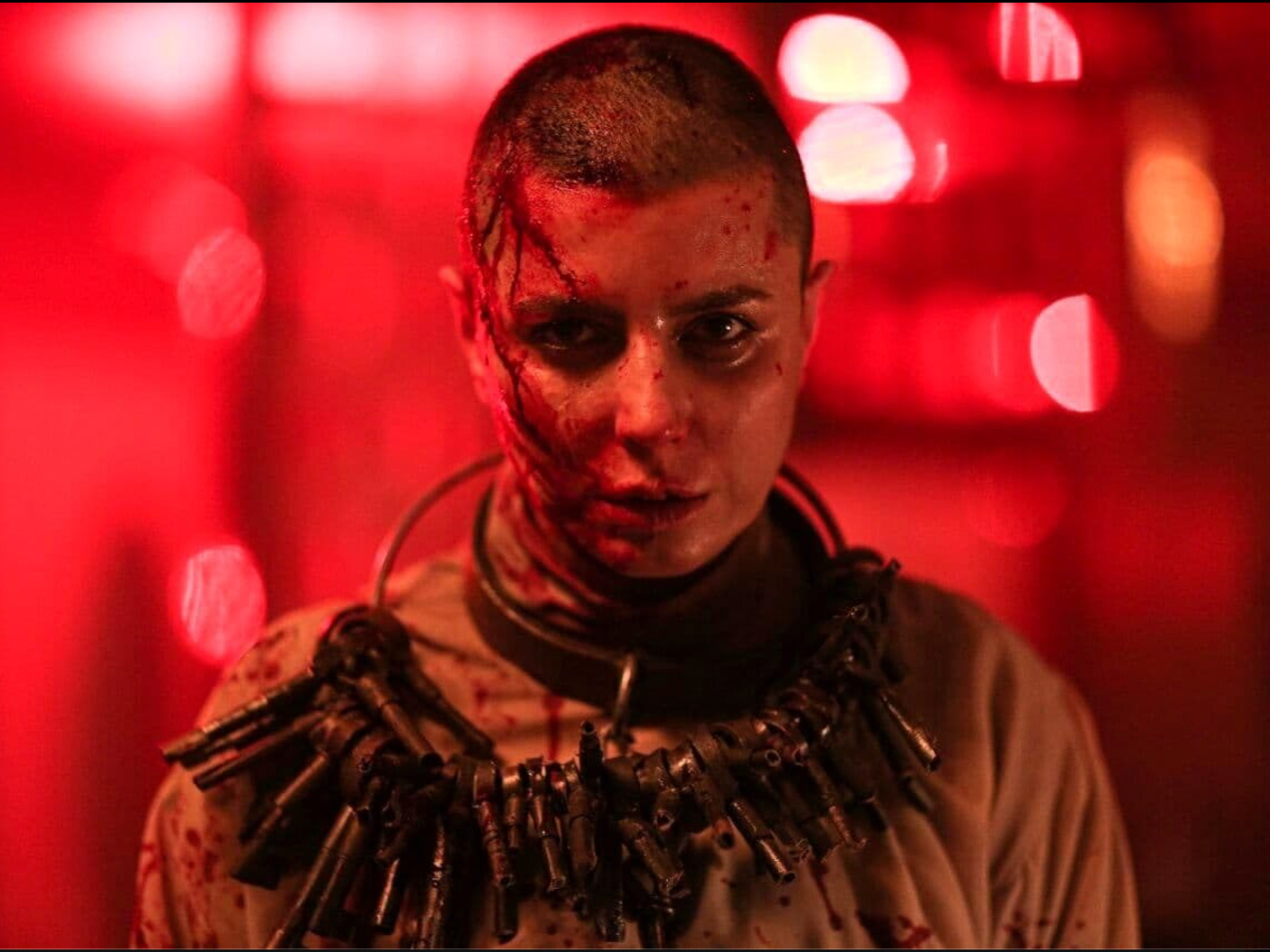
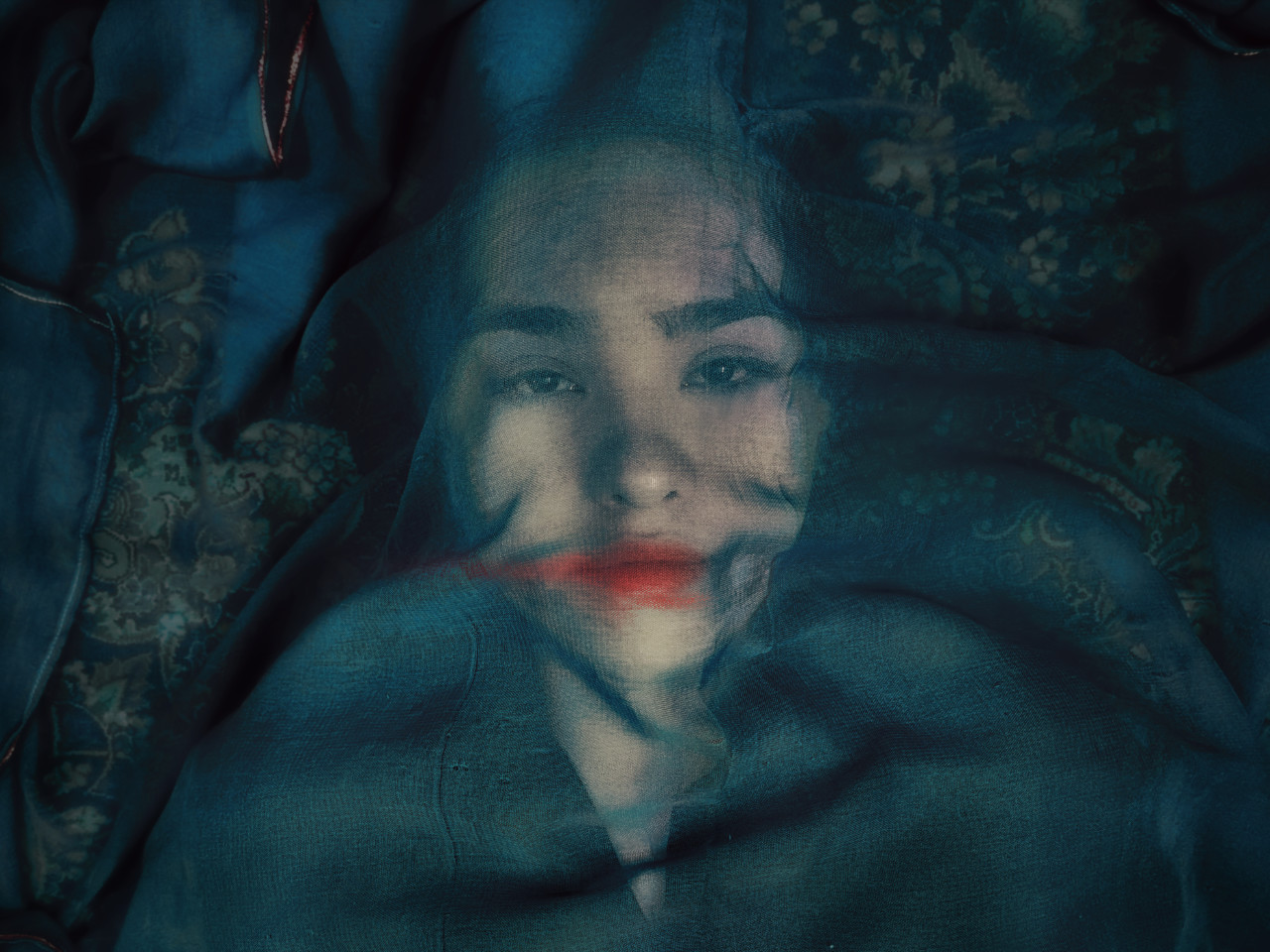
Documentary, Saturday, 13 June, 5.00 pm
A Fox Under a Pink Moon
At just 16 years old, Soraya creates striking drawings and sculptures – poetic, powerful and yet marked by a profound darkness. For her, art is far more than a form of expression: it is a survival strategy, a source of hope and a means of self-assertion.

Drama, Friday, 12 June, 9.00 pm
Inside Amir
Amir is about to emigrate to Italy, where he hopes to start a new life with his partner Tara. Whilst waiting for his visa, he cycles through the streets of Tehran – a personal farewell journey through his hometown and to the people he might be leaving behind.
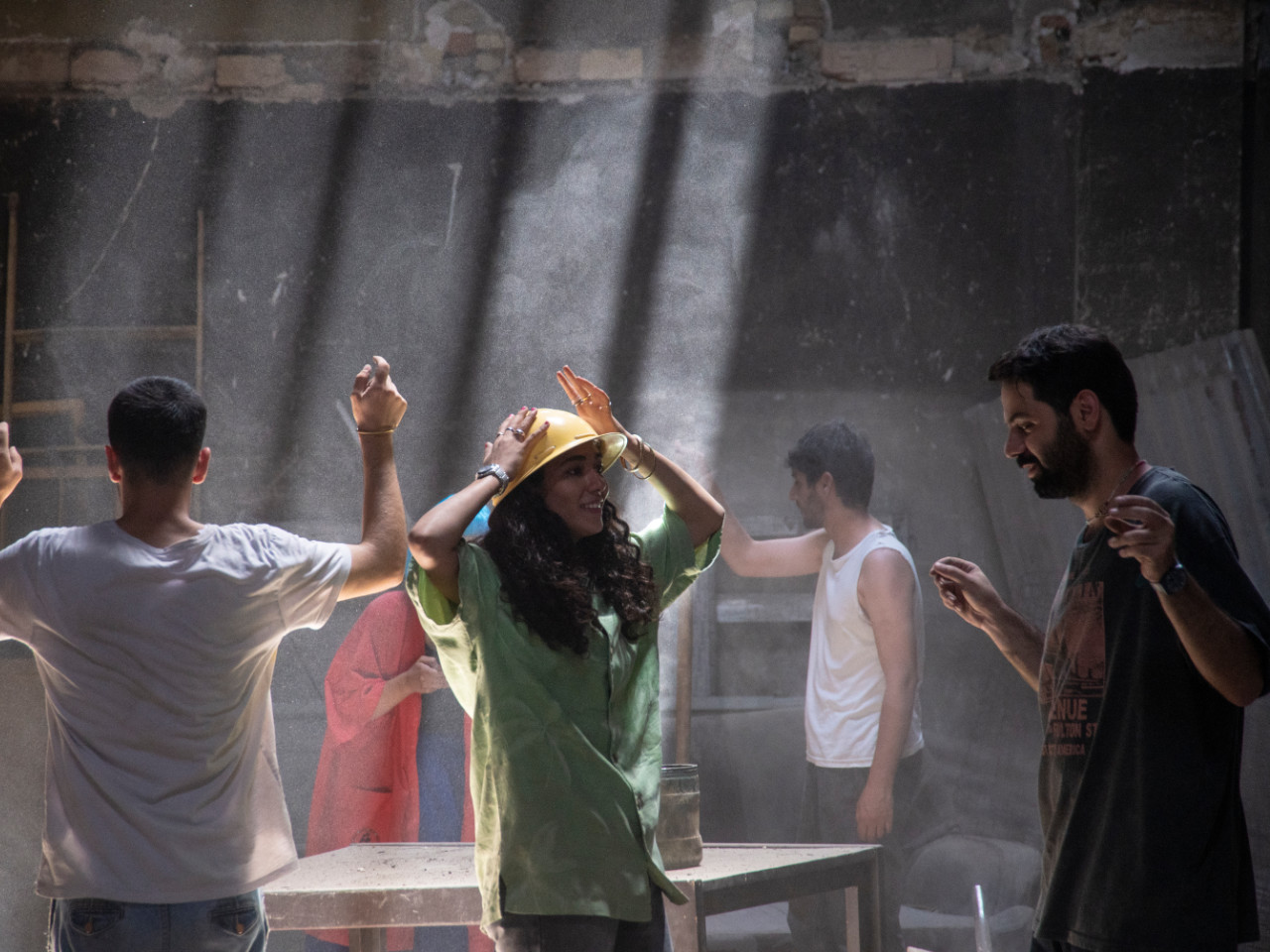
Drama, Friday, 12 June 2026, 7.00 pm
The Crowd
Raman is about to leave Tehran to study abroad. His friends are planning a farewell party – but what is taken for granted elsewhere is forbidden in Iran. The gathering is therefore being organised in strict secrecy. At the same time, personal conflicts and insecurities are coming to the surface within the group.
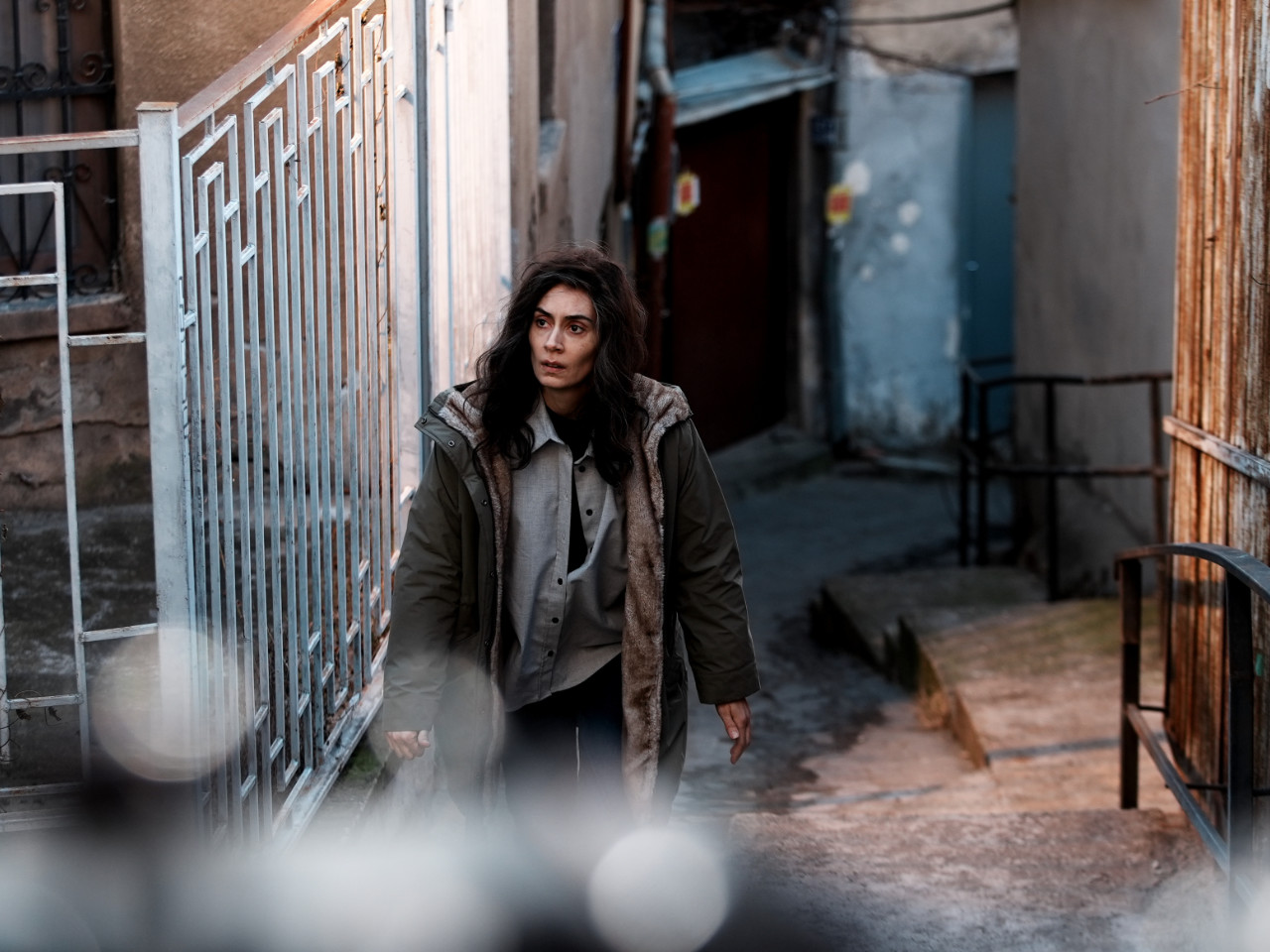
Drama, Thursday, 11 June 2026, 7.00 pm
Roya
Roya, a teacher, is being held in Tehran’s Evin Prison because of her political beliefs. There, she is faced with an inhuman choice: either she makes a forced confession on television, or she remains locked up in her tiny solitary confinement cell. When she is granted a short-term leave of absence following a death in the family, she has three days to decide her fate.
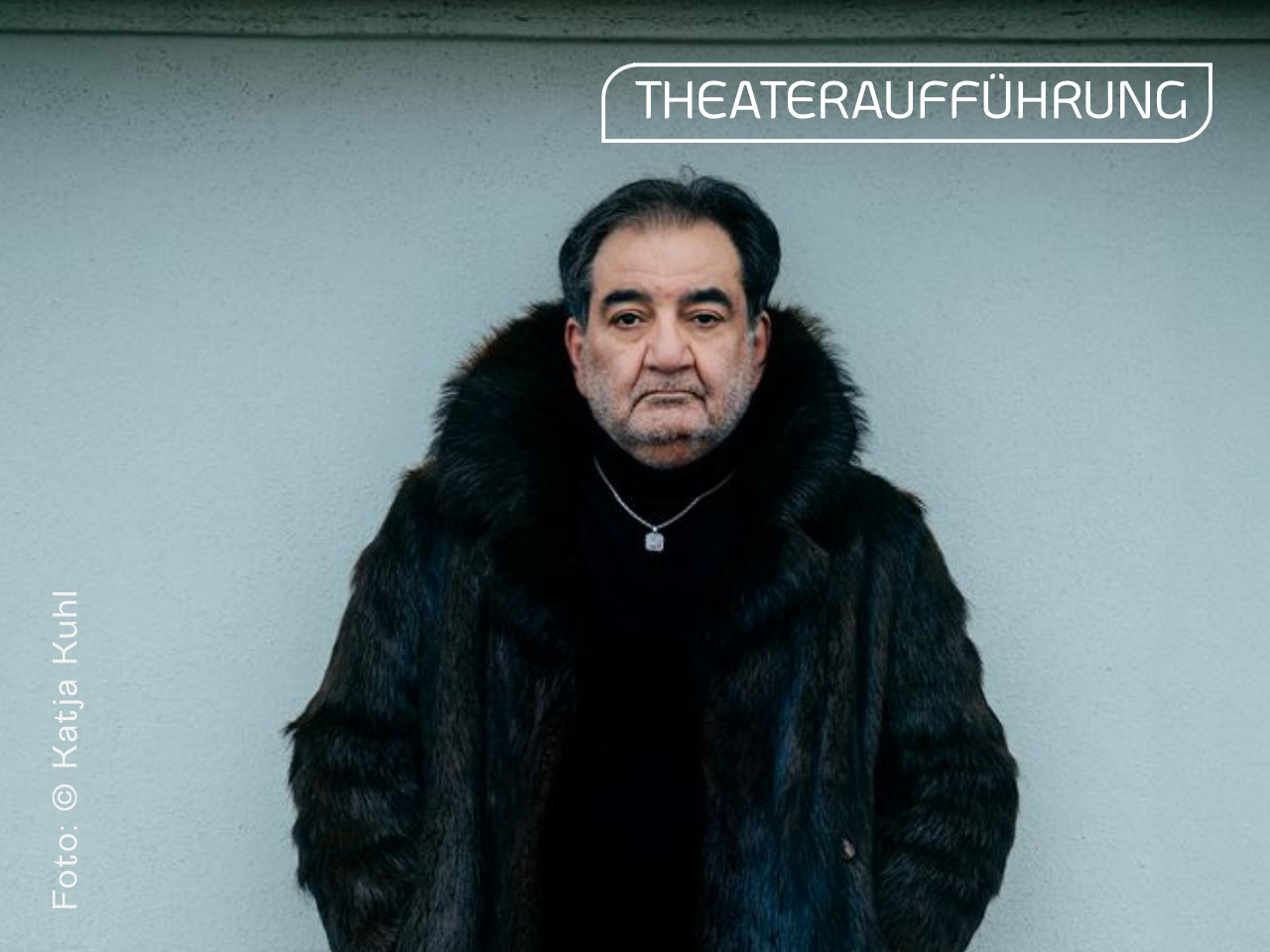
Theatre experiment, Wednesday, 10 June 2026, 7.30 pm
White Rabbit, Red Rabbit
In this play, there are no rehearsals and no director. The actor has absolutely no prior knowledge of the text. He steps onto the stage, is handed a sealed envelope containing the script, and discovers the play without any preparation at exactly the same moment as you. What begins as a tongue-in-cheek game quickly becomes a gripping exploration of power, obedience, freedom and the power of theatre itself.


Documentation, Sunday, June 2nd, 2024, 15.00-17.00 hrs
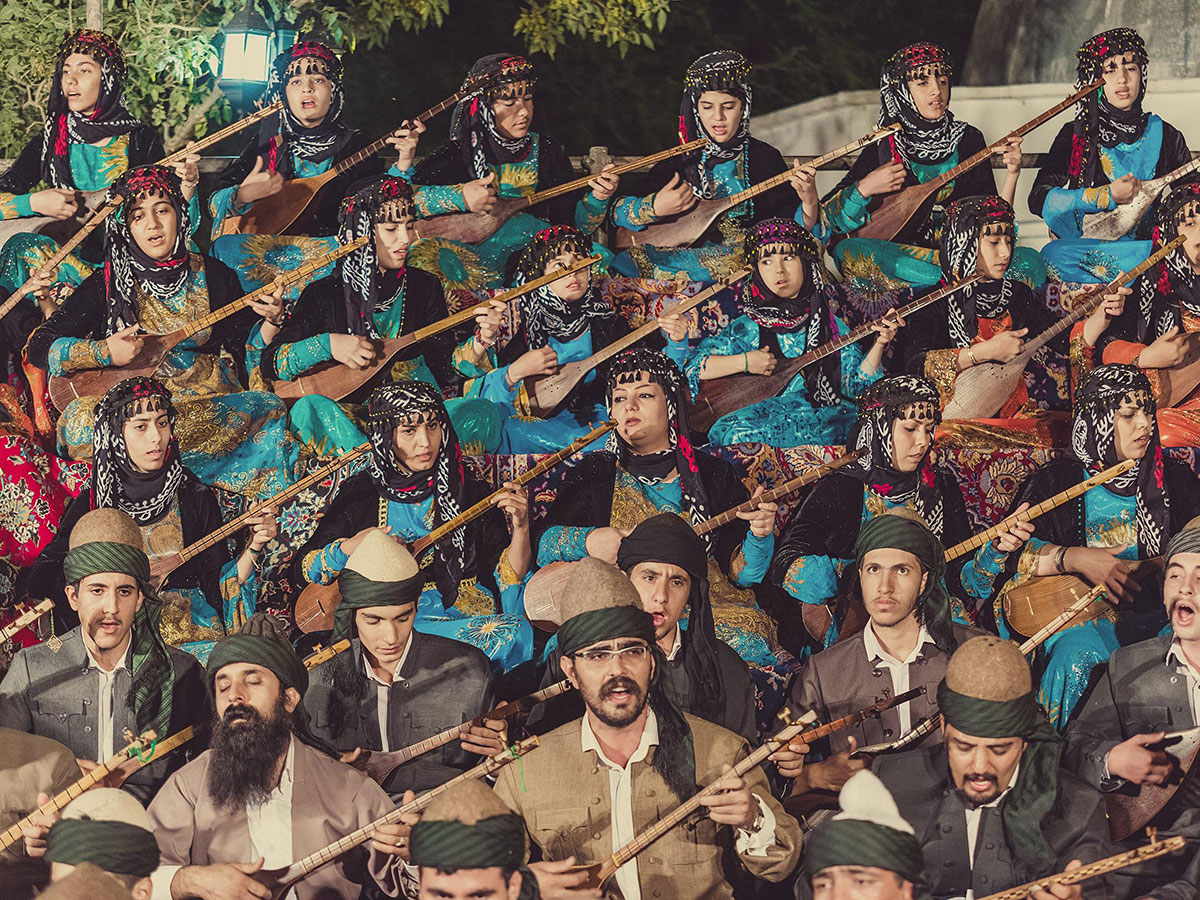
Qashqai Female Voices – Films & Discussion
The “Qashqai Female Voices” project, initiated and curated by ethnomusicologist Yalda Yazdani, takes a new look at the rich but marginalized culture of Qashqai women in southwest Iran in a series of events – so far at the Rautenstrauch-Joest-Museum.


Documentation, Sunday June 9th, 13.00 hrs
Journey to Yazdegerd Castle (سفر به قلعه یزدگرد)
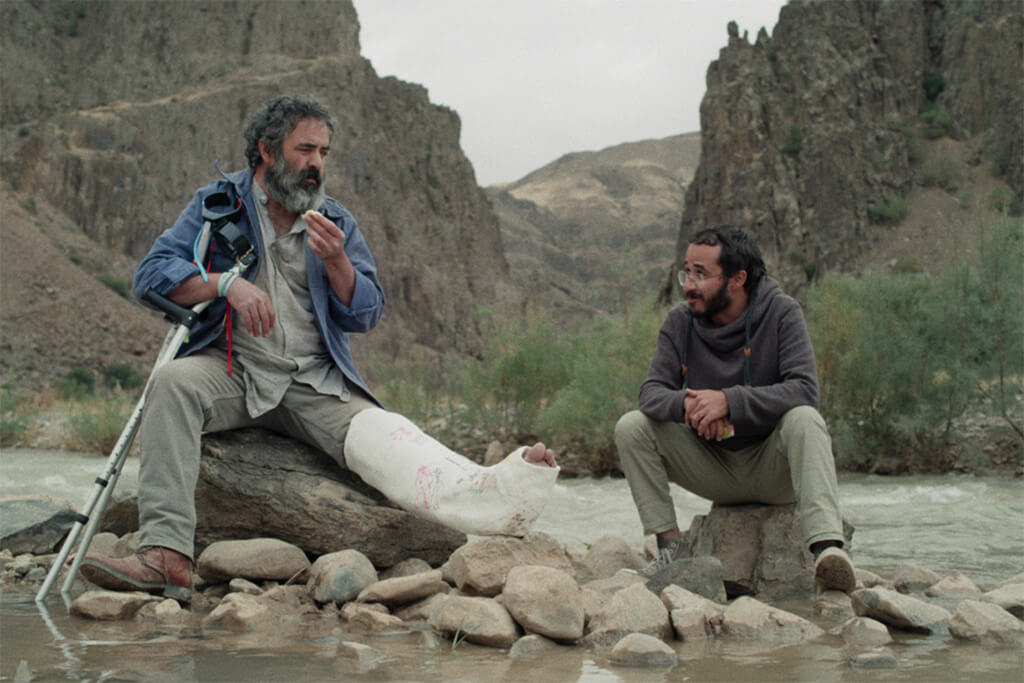
Mohammadi portrays an enthusiastic connoisseur of Iran: until the revolution of 1978, the British-Canadian archaeologist Dr. Edward Keall undertook expeditions to explore ancient Zoroastrian temples of the late-antique Sassanids.


Documentation, Wednesday, May 29th, 2024, 19.00 hrs
An Owl, A Garden And The Writer (جغد، باغ و مرد نویسنده )
Mahmud Dolatabadi is one of the best-known and most important prose writers of our time. Translations of his books reach a worldwide readership and yet some of his most important works are not allowed to be published in Iran.
Drama, Sunday, 1.10.2023, 16.00 hrs
Empty Nets (Toor-haya khaali)
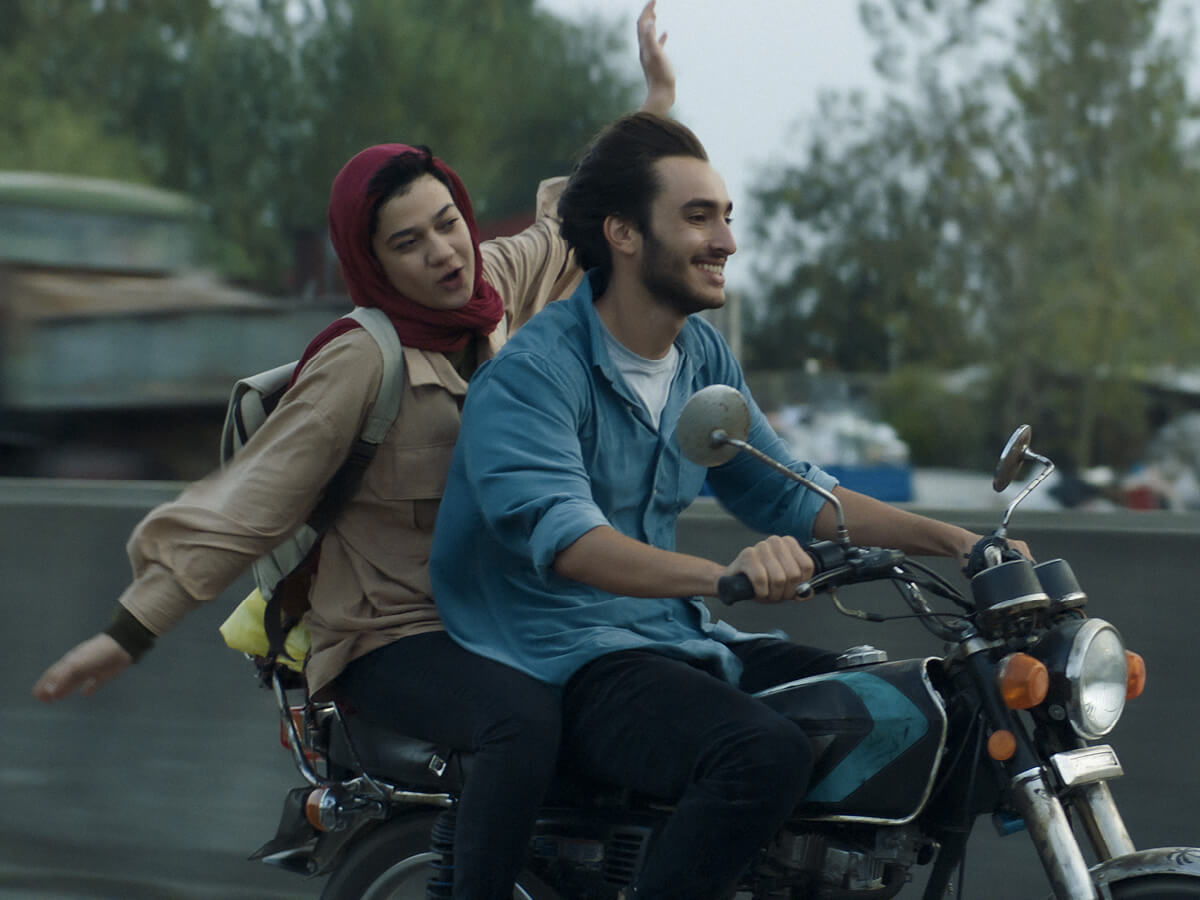
In order to raise the money to marry his beloved Narges, young Amir hires out to fishermen on the rough coast of the Caspian Sea. Gradually he wins respect and his place there, but soon he is drawn into the criminal milieu of illegal caviar poaching.
Documentary, Saturday, 10.6.2023, 6.00 p.m.
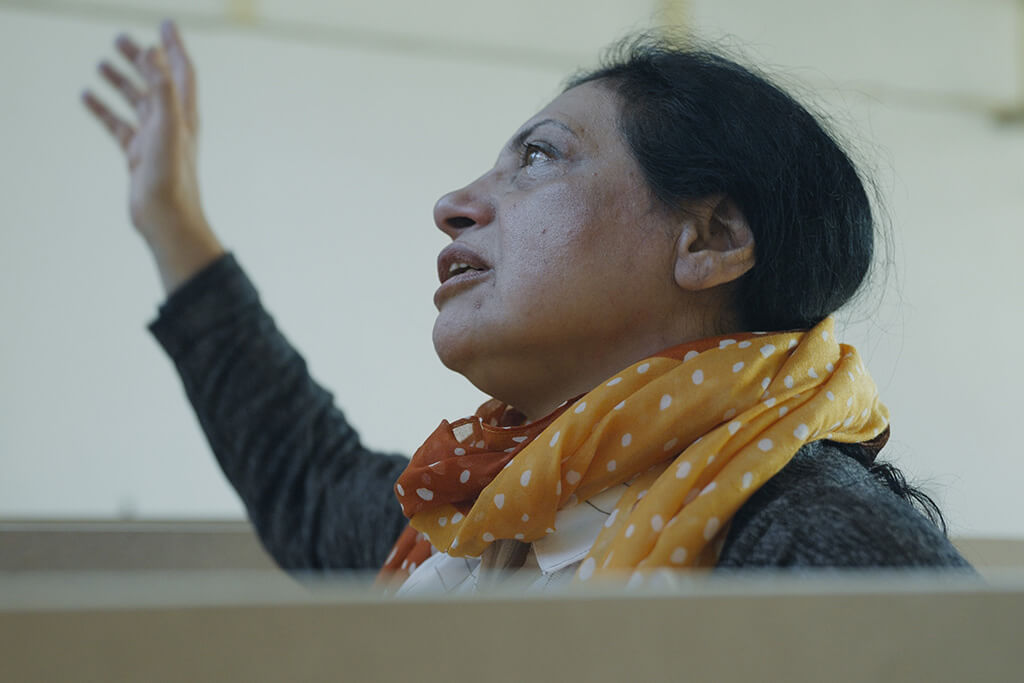
Where God Is Not (Jaii keh khoda nist)
Mehran Tamadon, who lives in exile in France, has been dealing with the power structures of the Iranian regime for many years: for “Where God Is Not” he recreated their former prison cells in Paris according to the instructions of former political prisoners.
Documentary, Friday, 9.6.2023, 7.00 p.m.
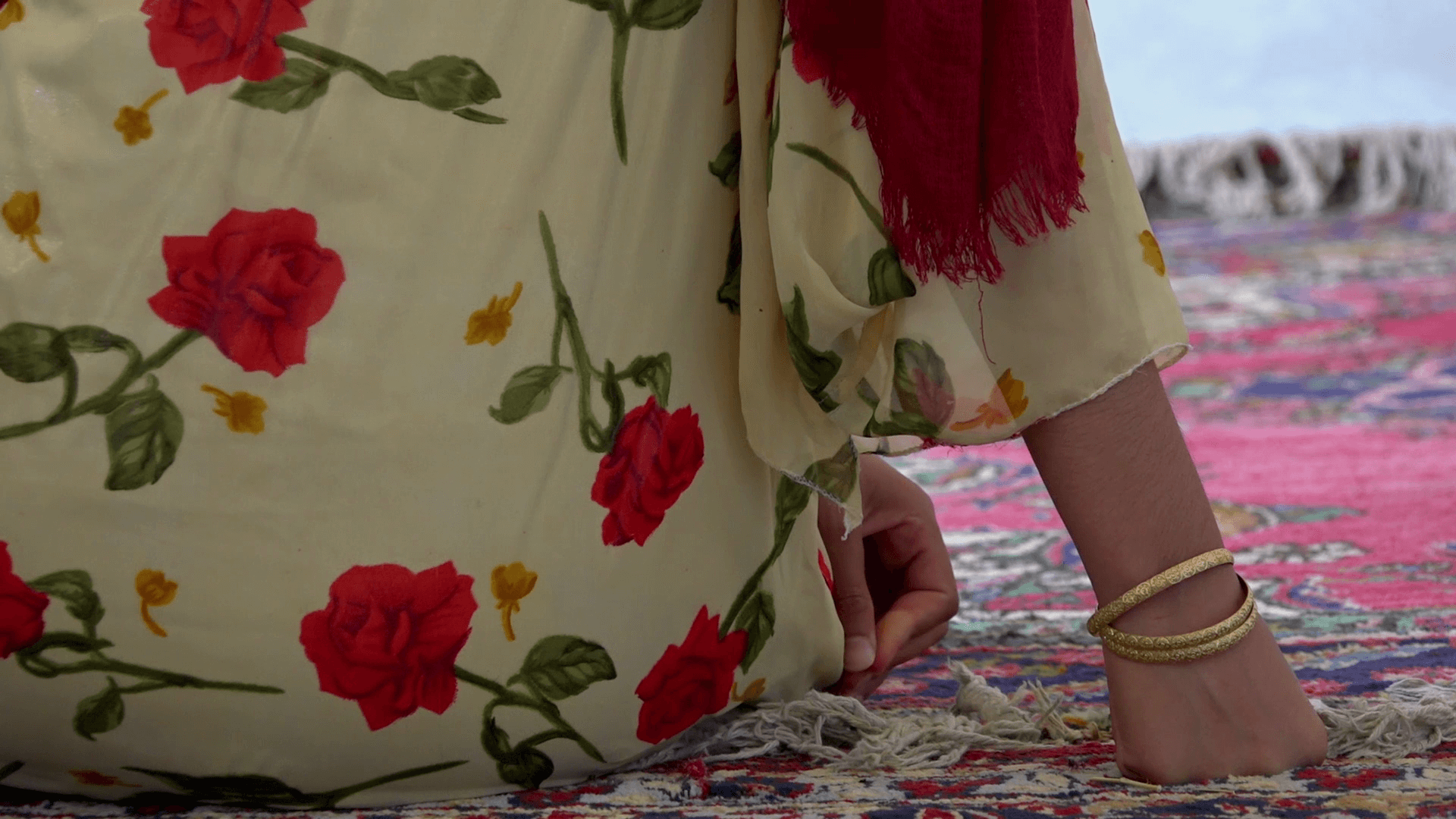
Seven Winters in Teheran
Reyhaneh Jabbari was sentenced to death in 2007 for stabbing the perpetrator in self-defense during an attempted rape. Seven years later, the sentence was carried out. Steffi Niederzoll reconstructs the tragic case of the 19-year-old on the basis of video recordings, statements and memories of relatives and fellow prisoners,.
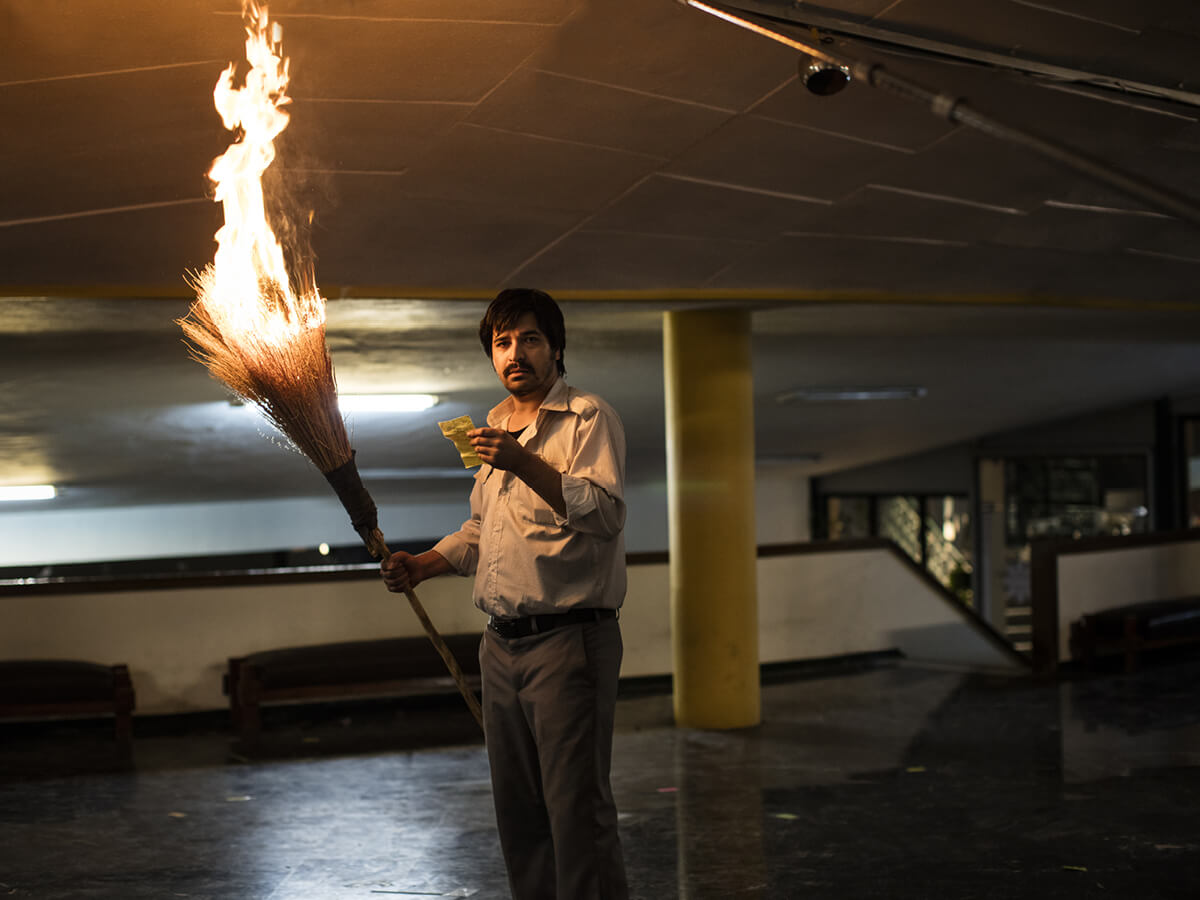
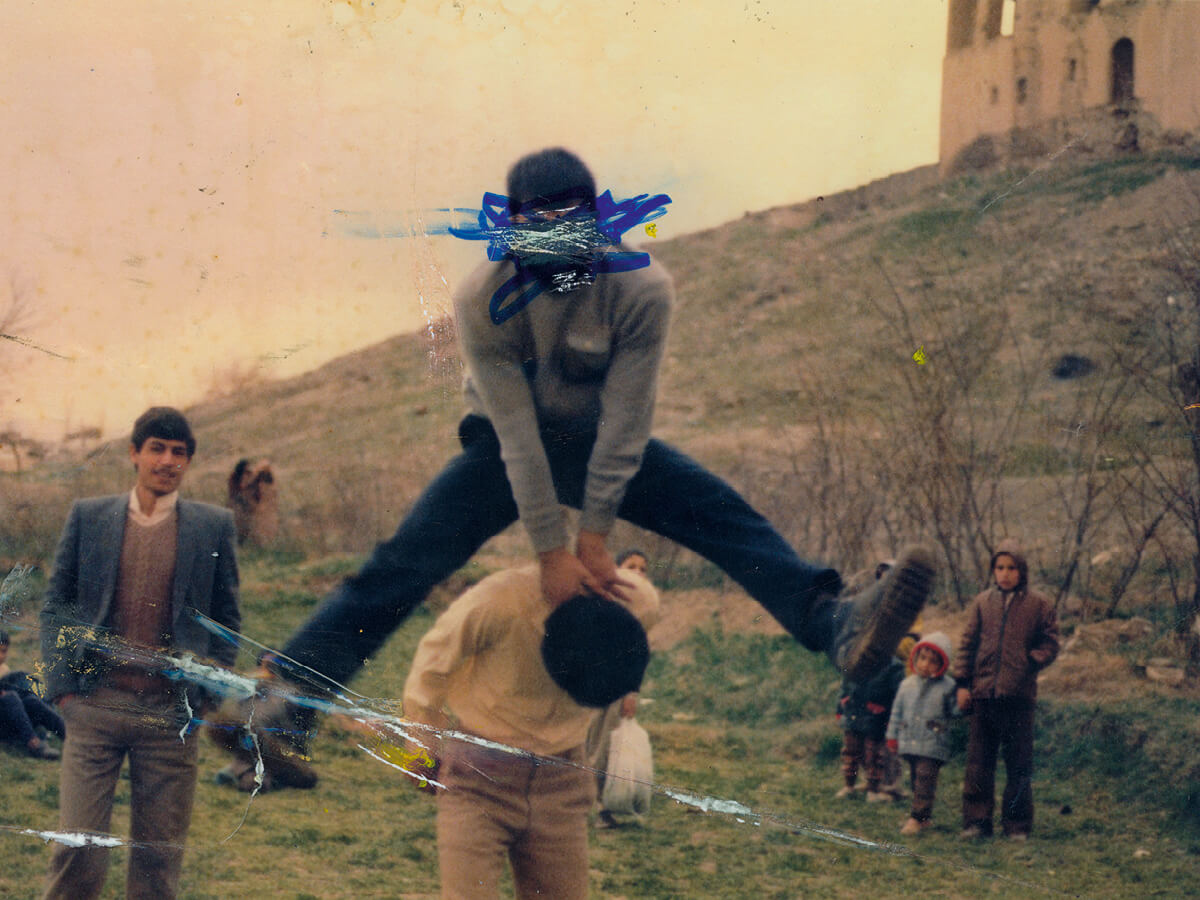
I Am Trying to Remember (Man saei mikonam faramoush nakonam) and Holy Bread (Nan-e moghadas)
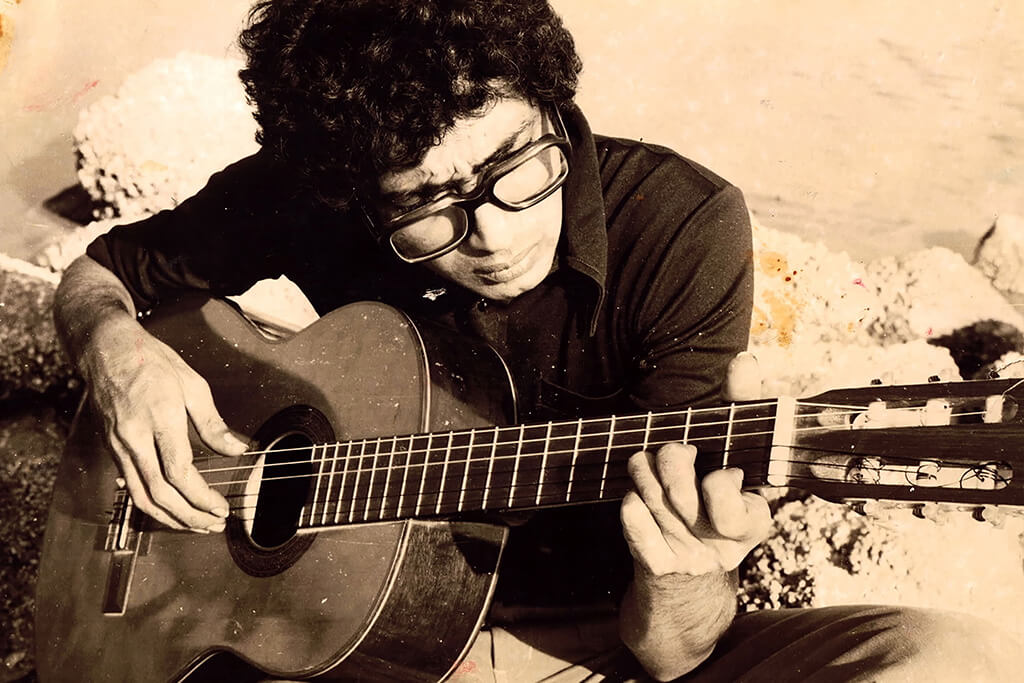
Pegah remembers Gholam, a close friend of her family who suddenly disappeared in 1988, leaving a void.
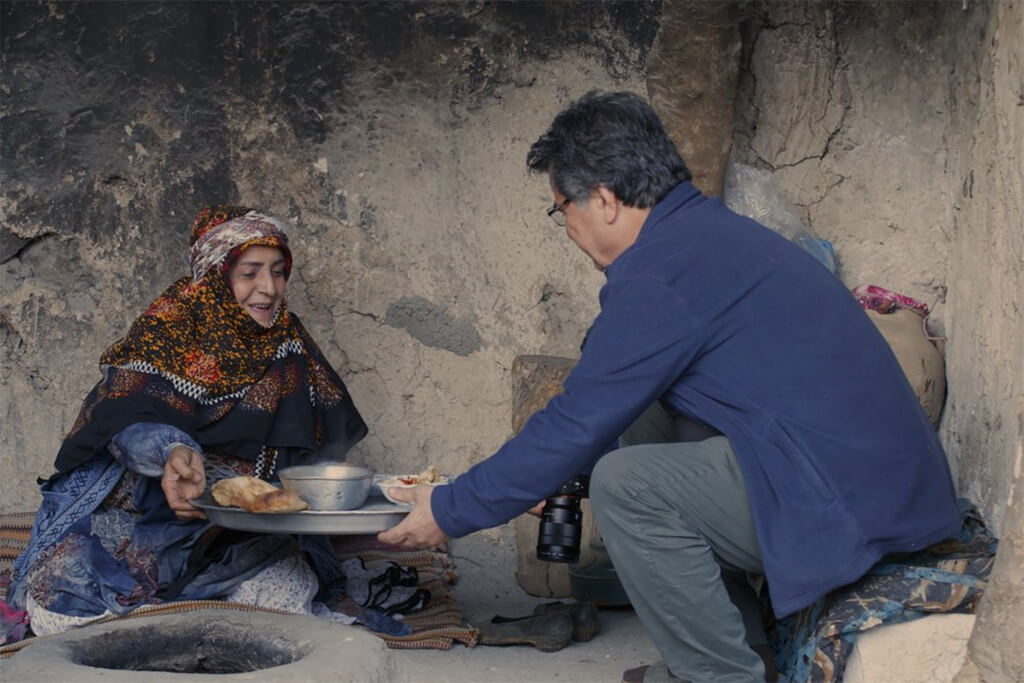
br>The Kurdish Kulbar haul goods and loads over rocky, steep mountain paths of the Iranian border. Snowstorms and border police are their enemies.
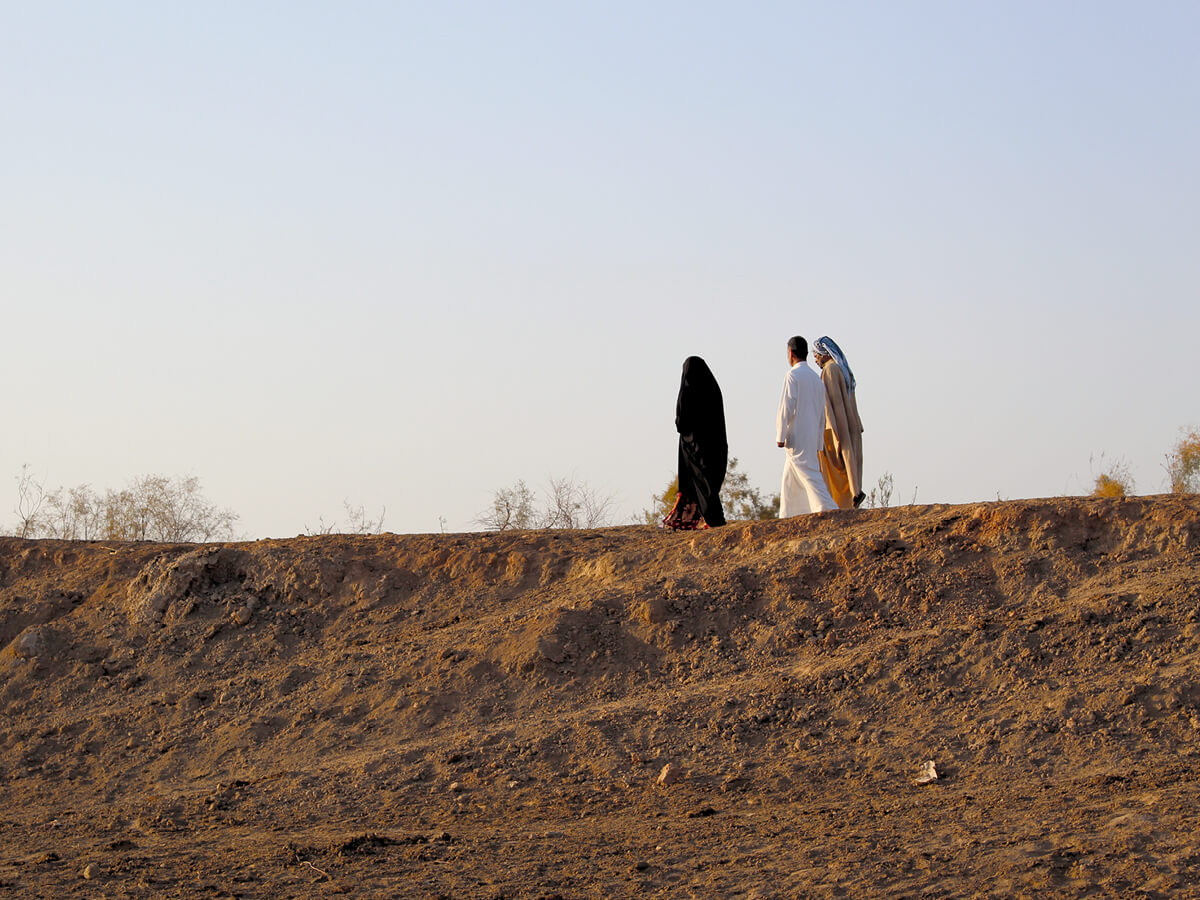
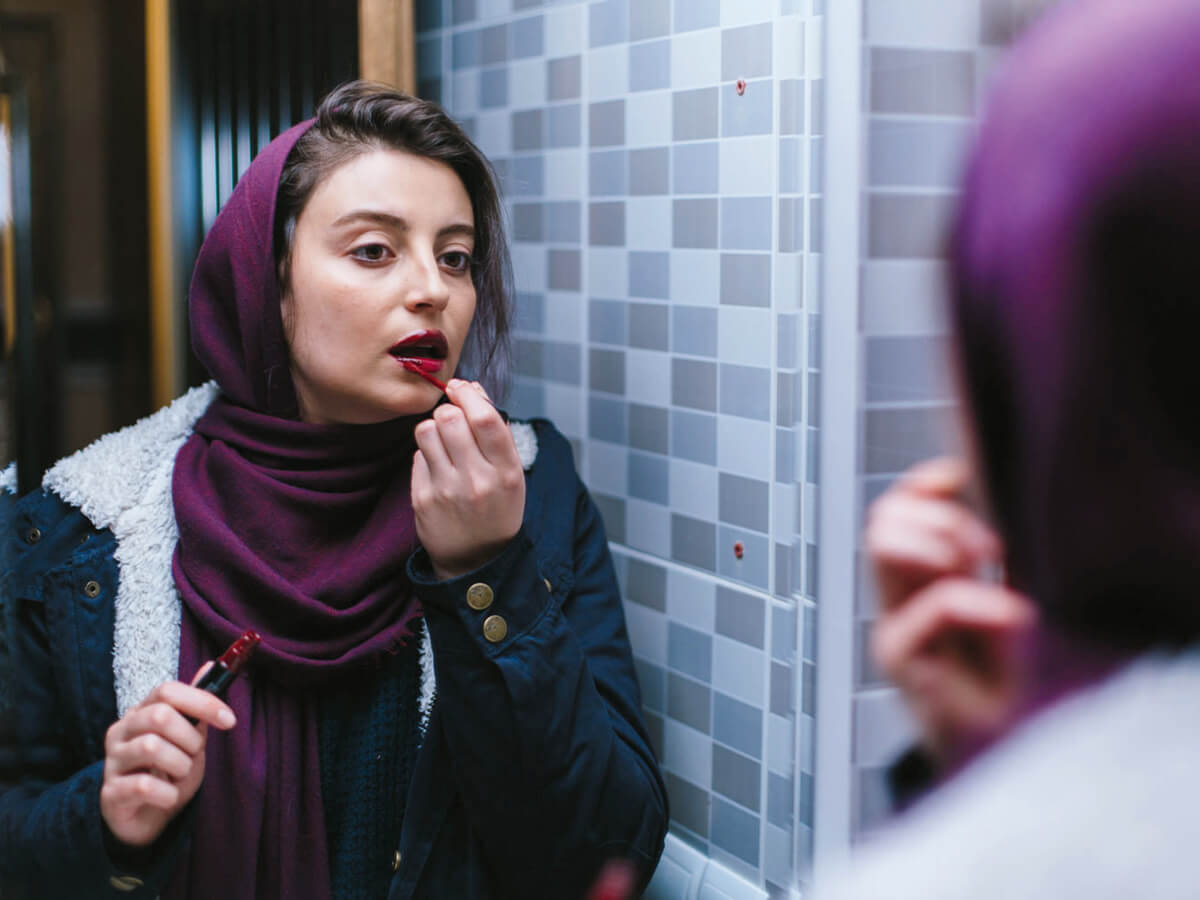
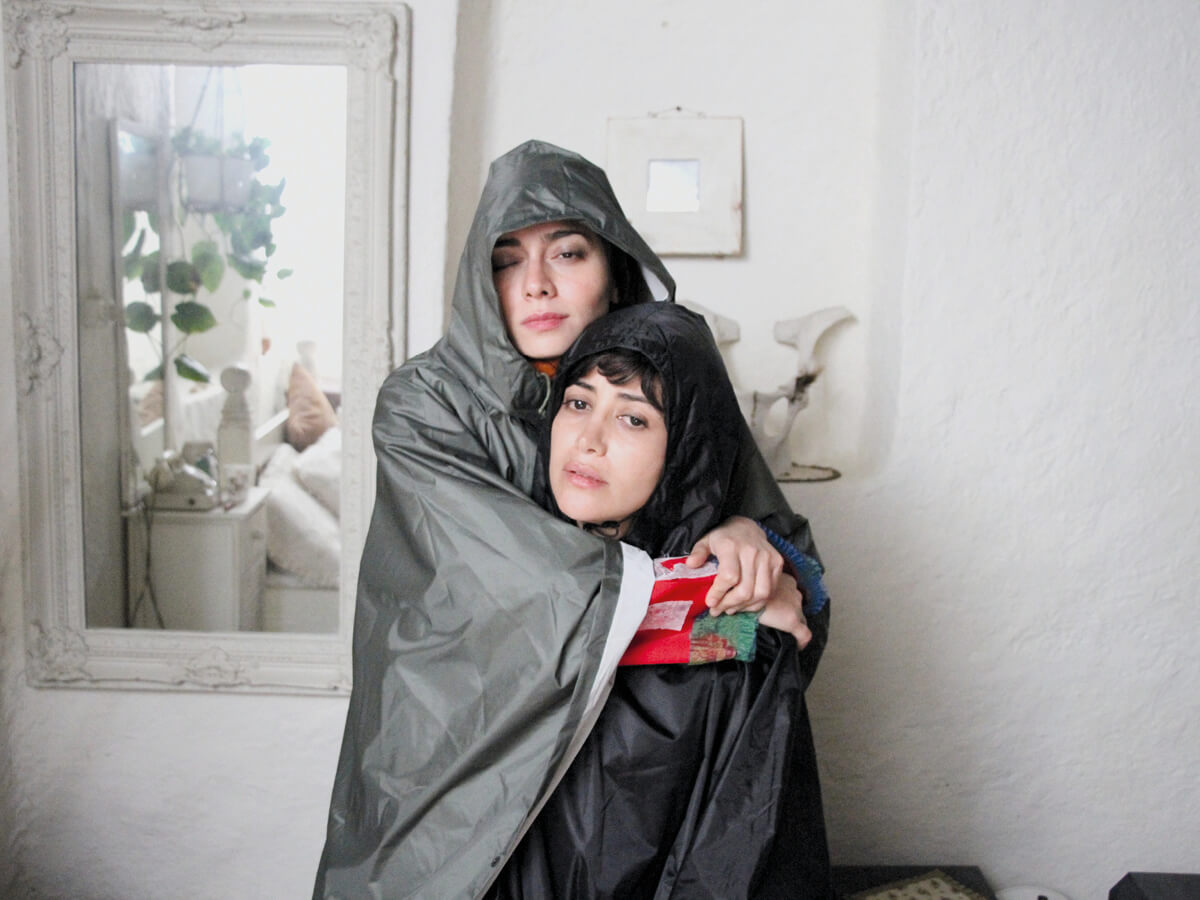
The Great Leap (Shirjeh-Ye Bozorg)
Maryam learns that her son, thought lost, is still alive. He was raised by a notorious showman and vaudeville performer. With a group of acrobats and outsiders, the young woman sets out on a search and encounters charlatans, mischief-makers and shamans along the way.
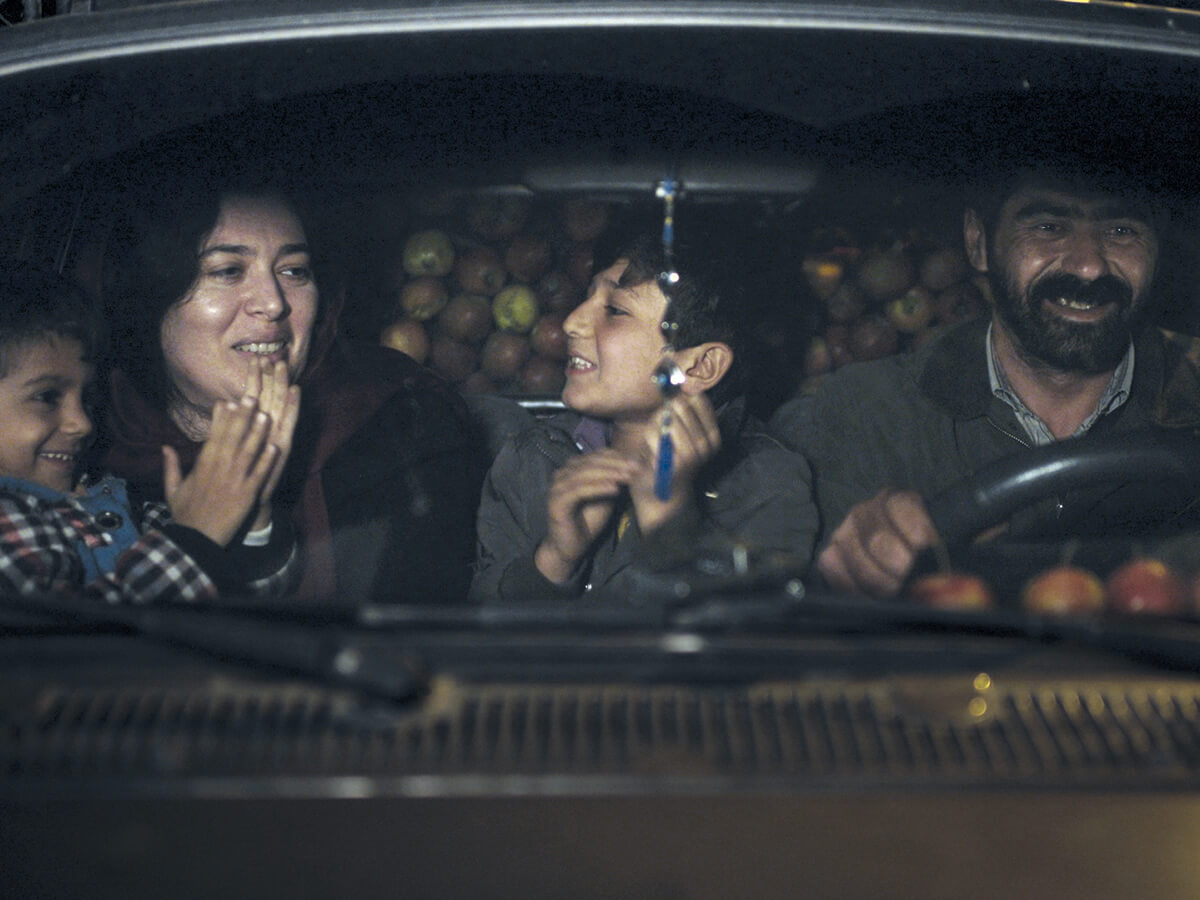
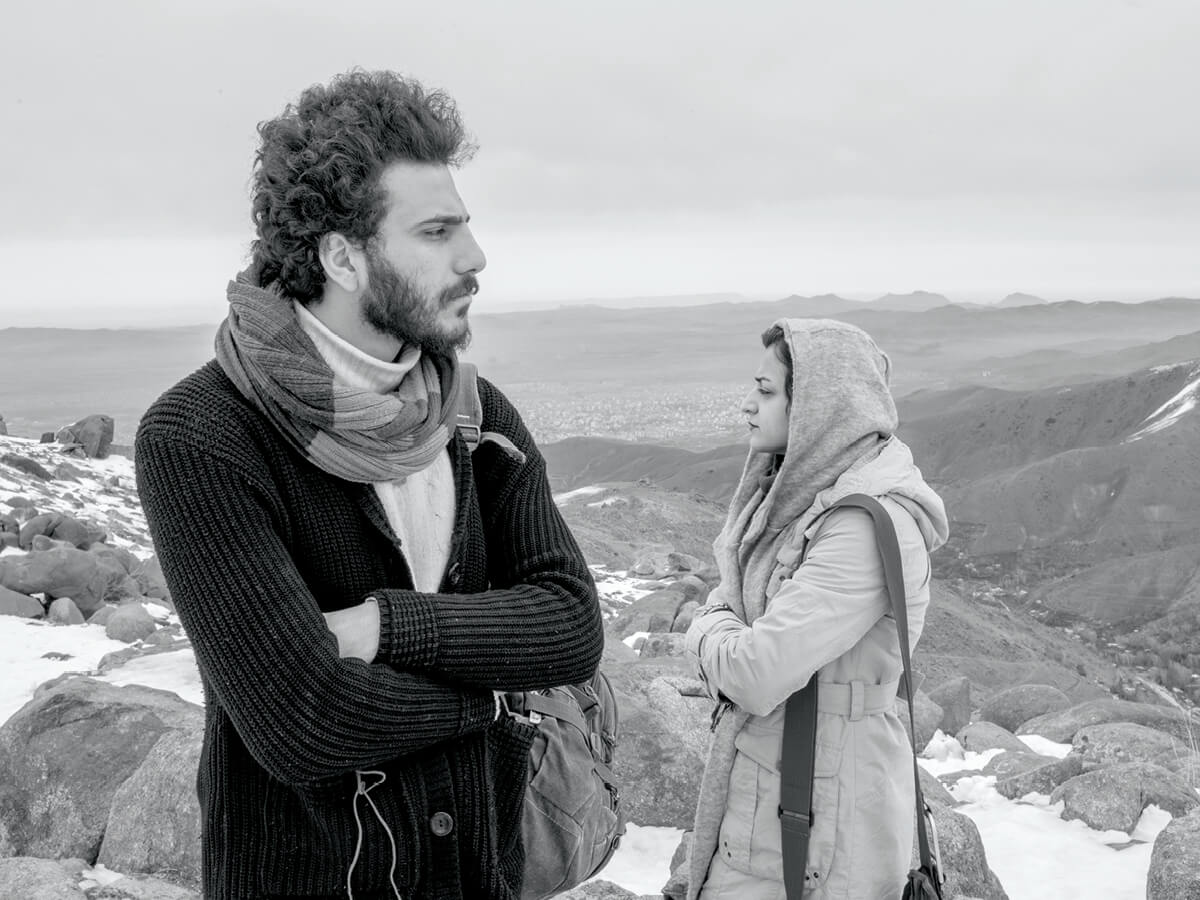
Light Year (Saal-e Noori)
Sarah is drowning in old memories after the separation from her husband and seems to be falling behind in her personal development – but perhaps it is the beginning of a healing process of detachment. Toghiri’s second film tells the story of the failure of a great love from the retrospective of the most beautiful, most painful, most significant stages, in his very own style.
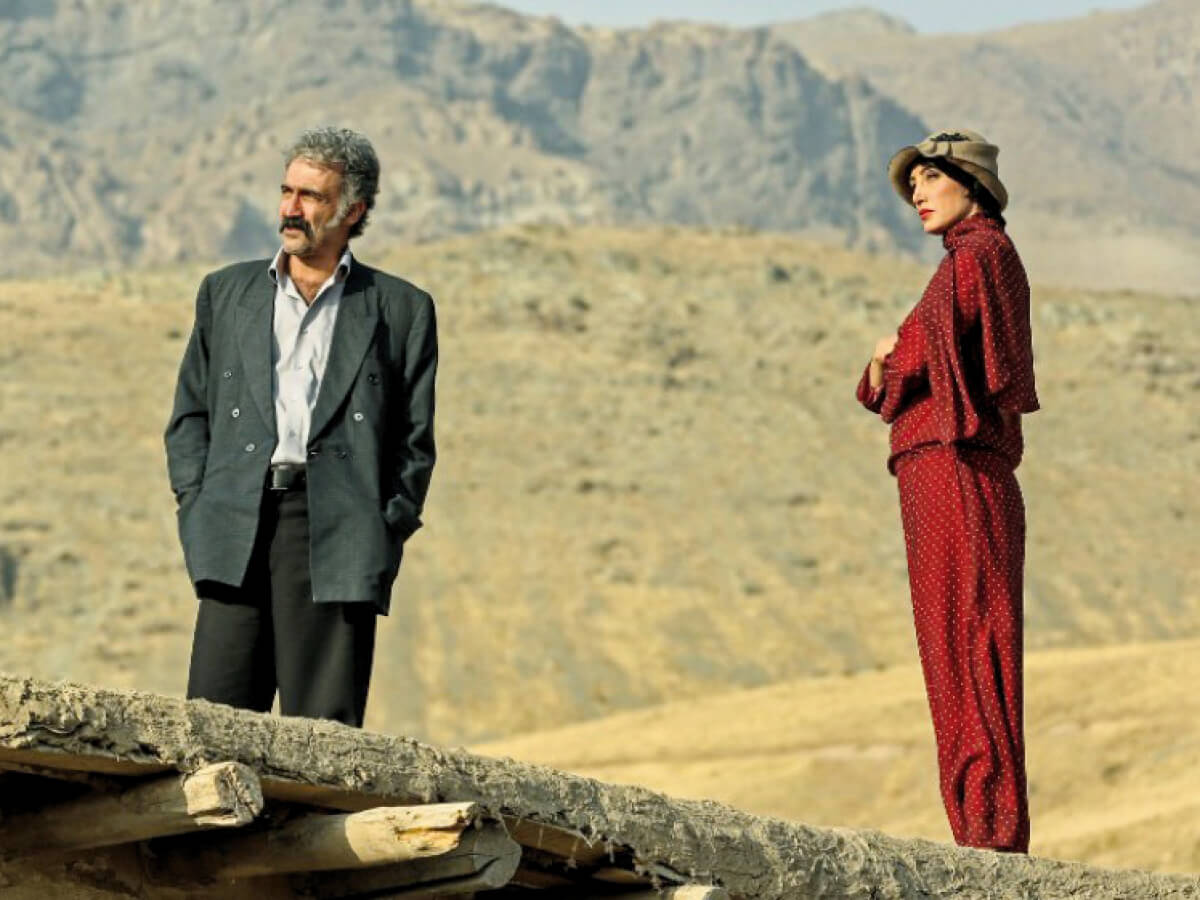
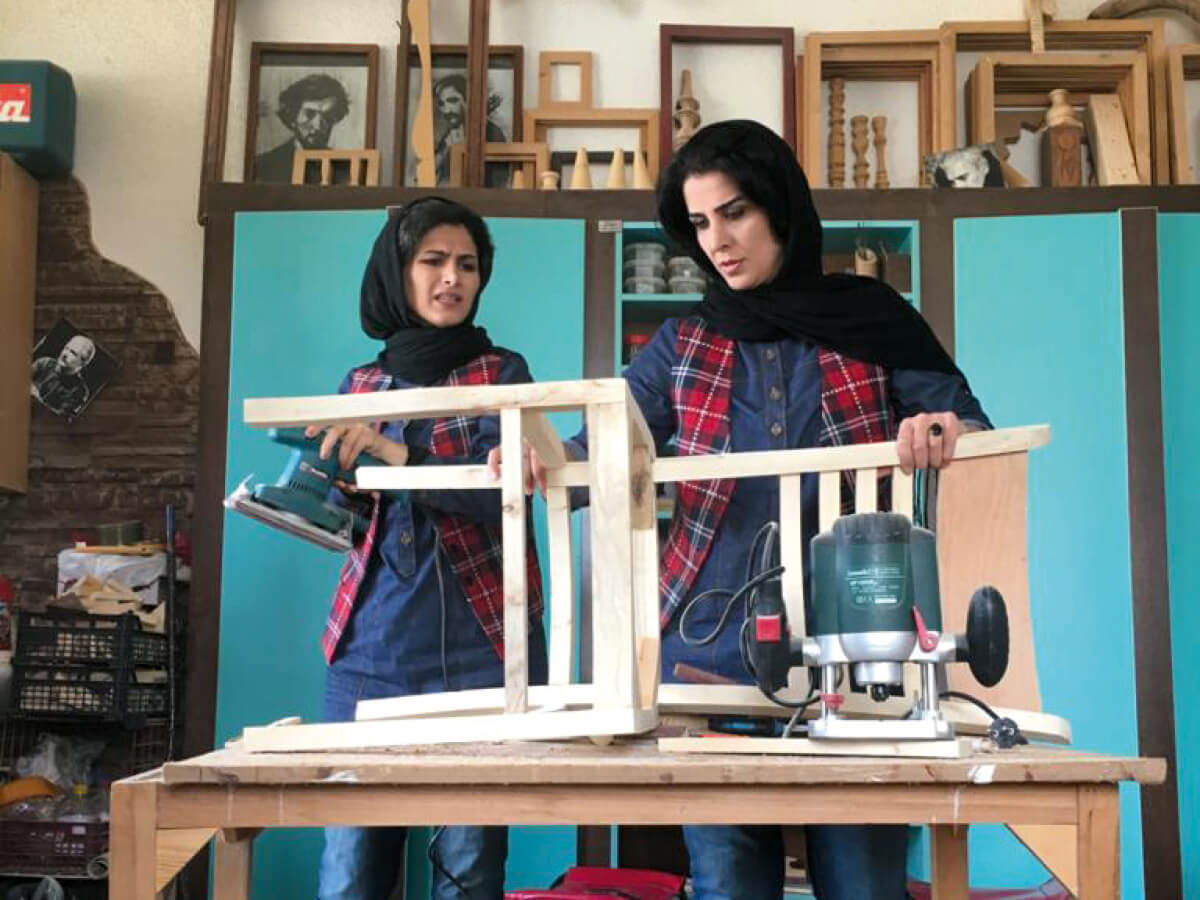
Woodgirls – A Duet for a Dream
Rascht, situated on the Caspian Sea, differs from other parts of the country in terms of climate, architecture and way of life. Here, the self-taught women Leila and Sedigheh dream of having their own carpentry workshop – this is a man’s job and is neither socially desirable nor is there even a licence for women.
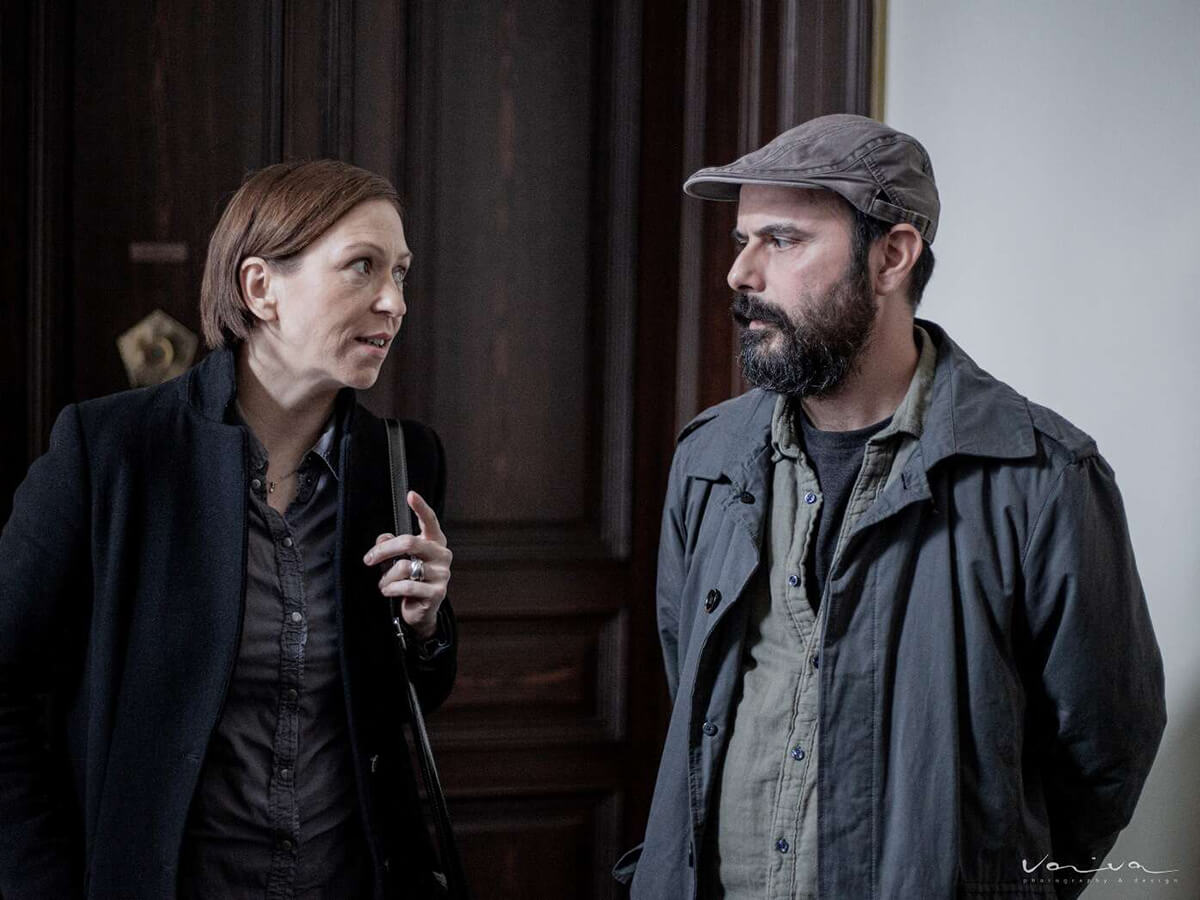
Absence (Naboodan)
Rusbeh traces his father during a trip to Prague – a former communist who fled to what was then Czechoslovakia in the 1950s and worked there as an orientalist and translator. Conversations with old comrades, librarians, and waitresses lead him to doubt the family story, but one trail leads to Valdimir, who has fallen out of a window while in a coma.

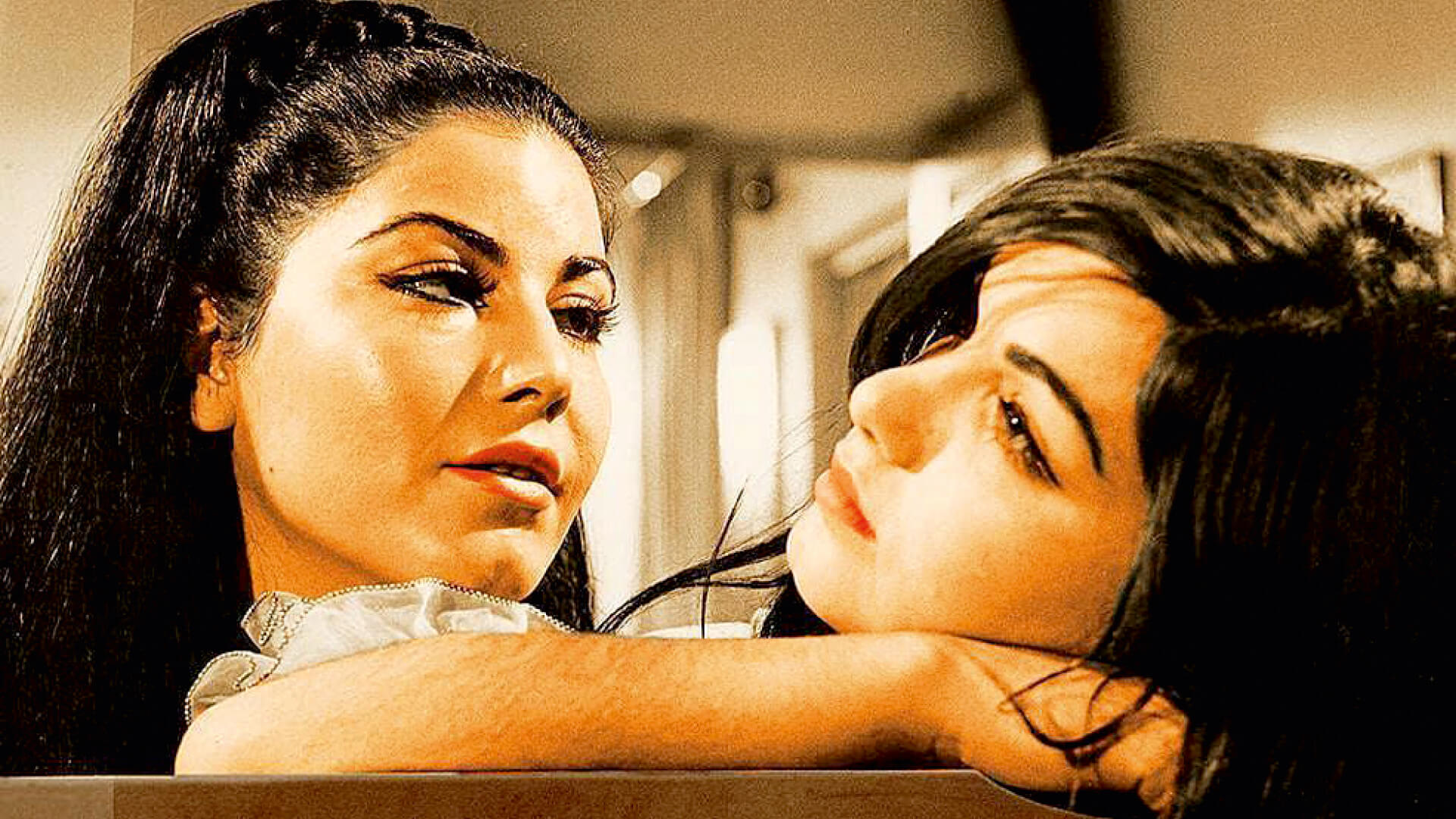
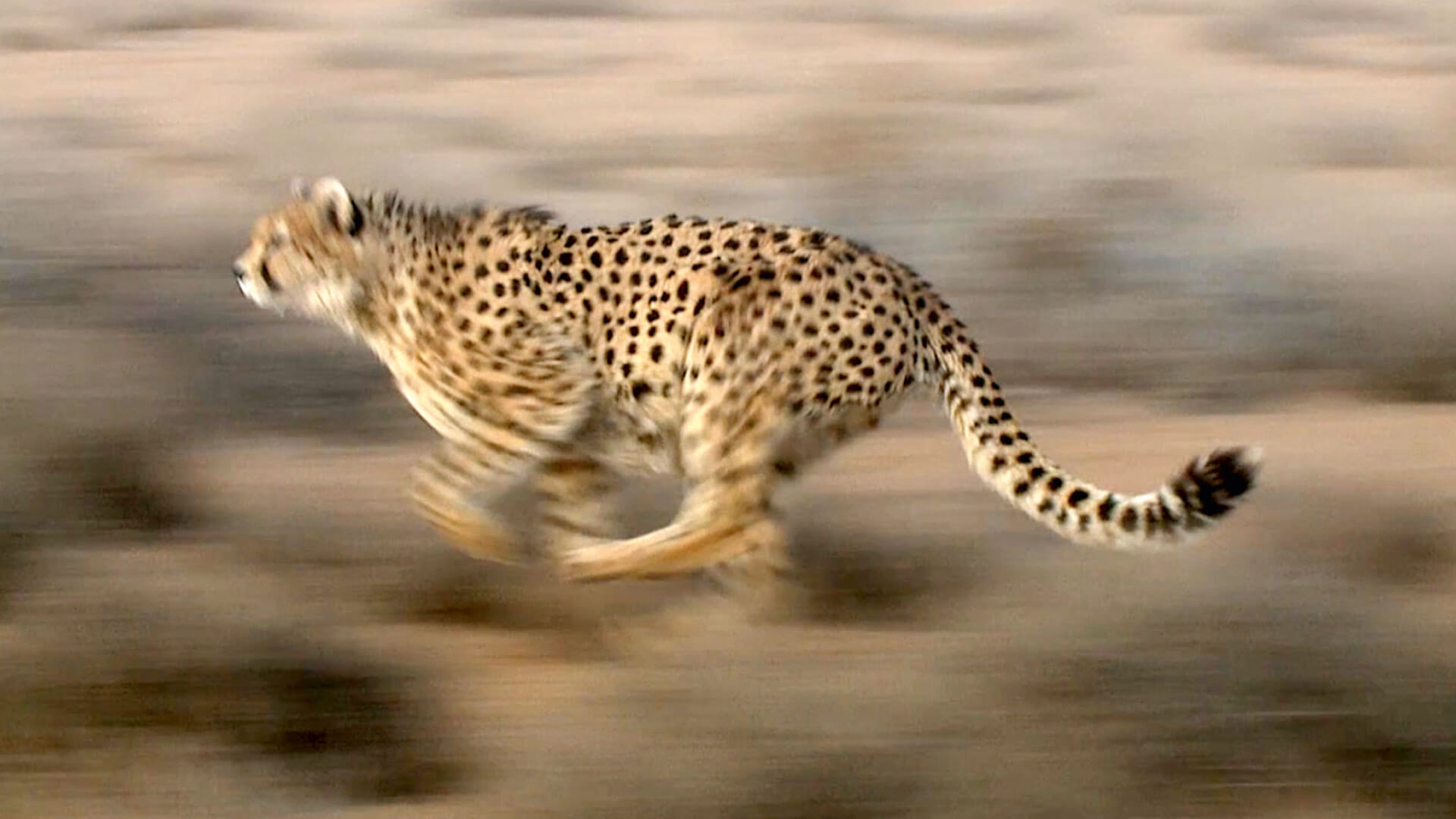
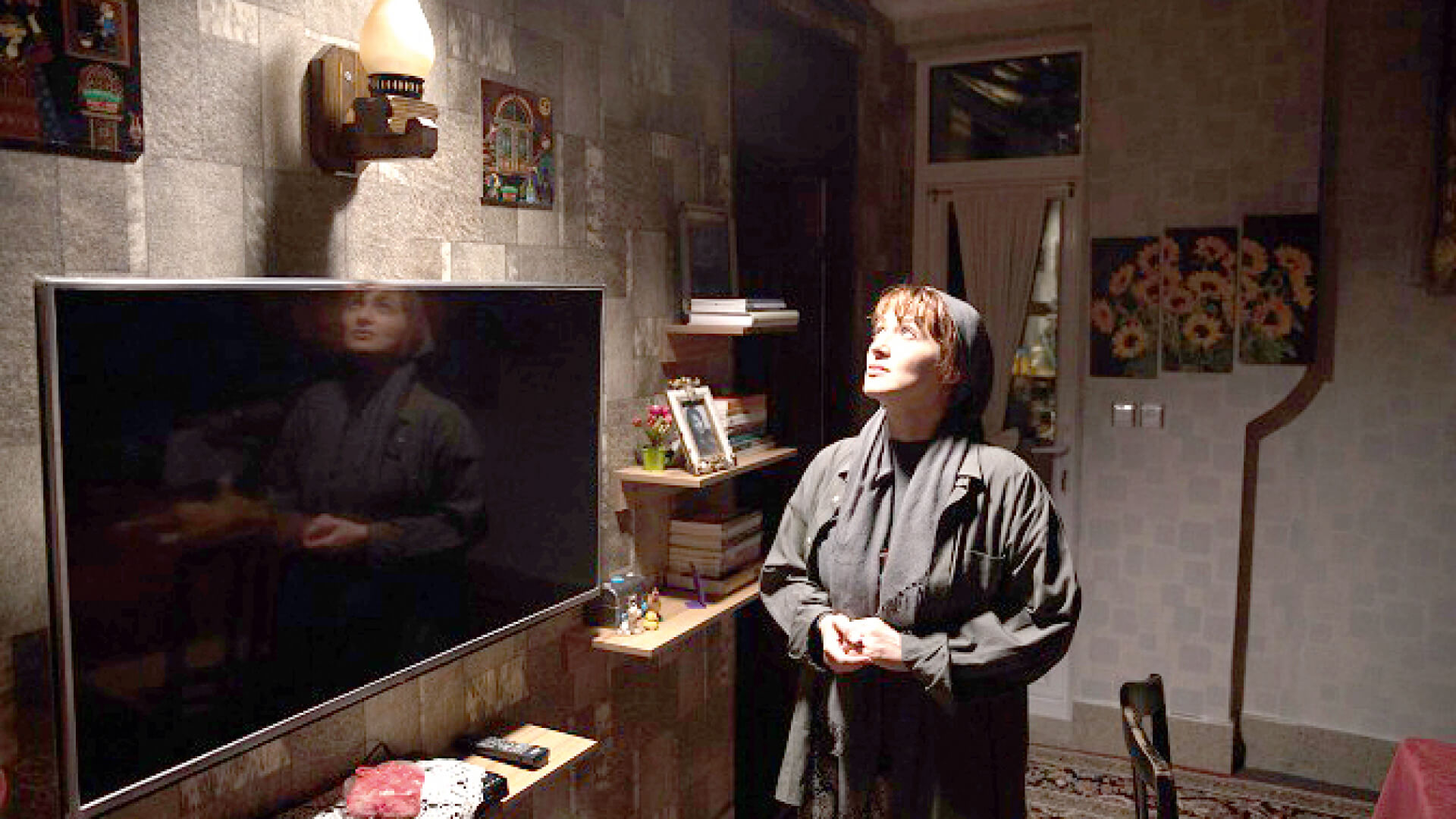
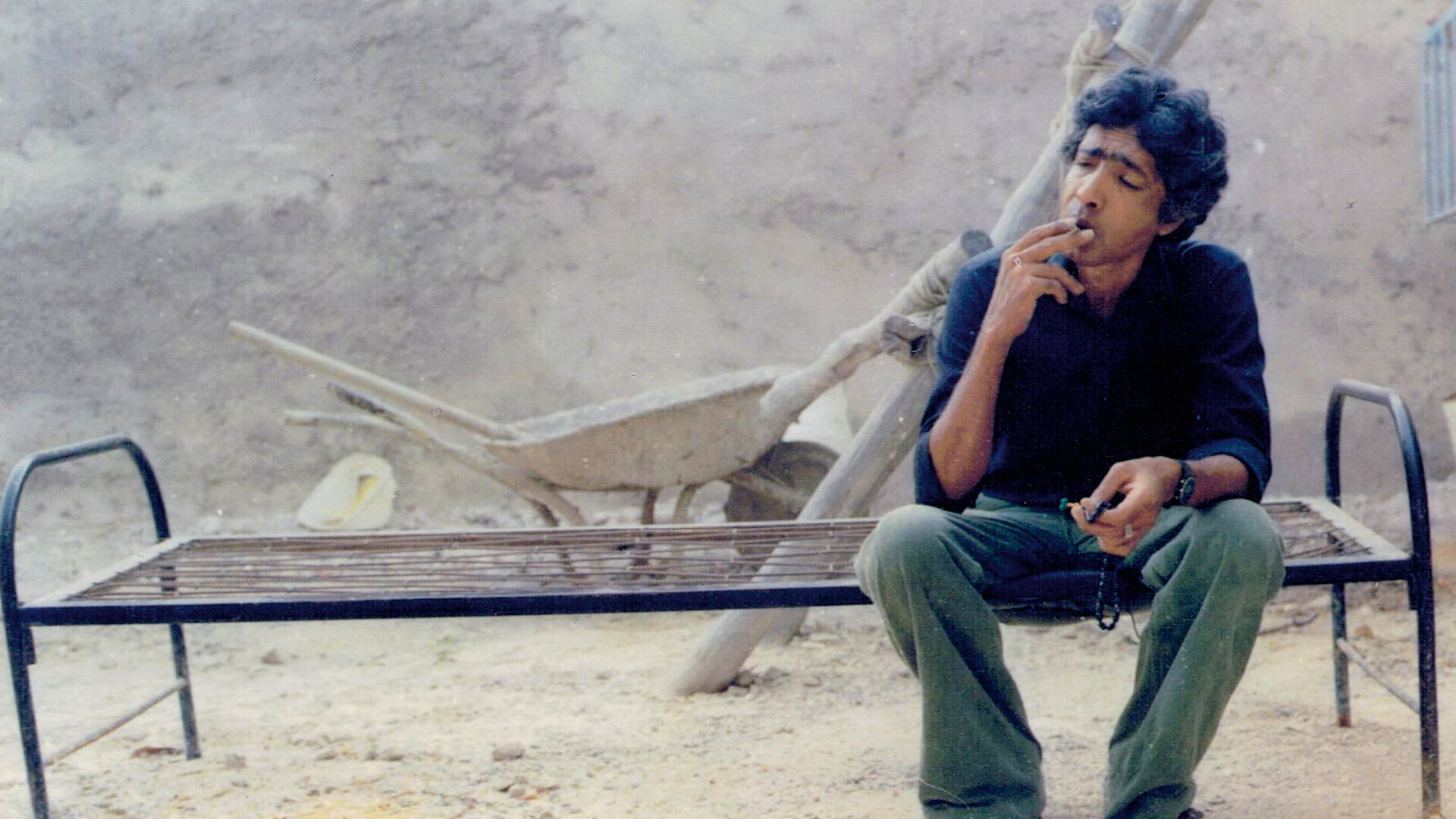
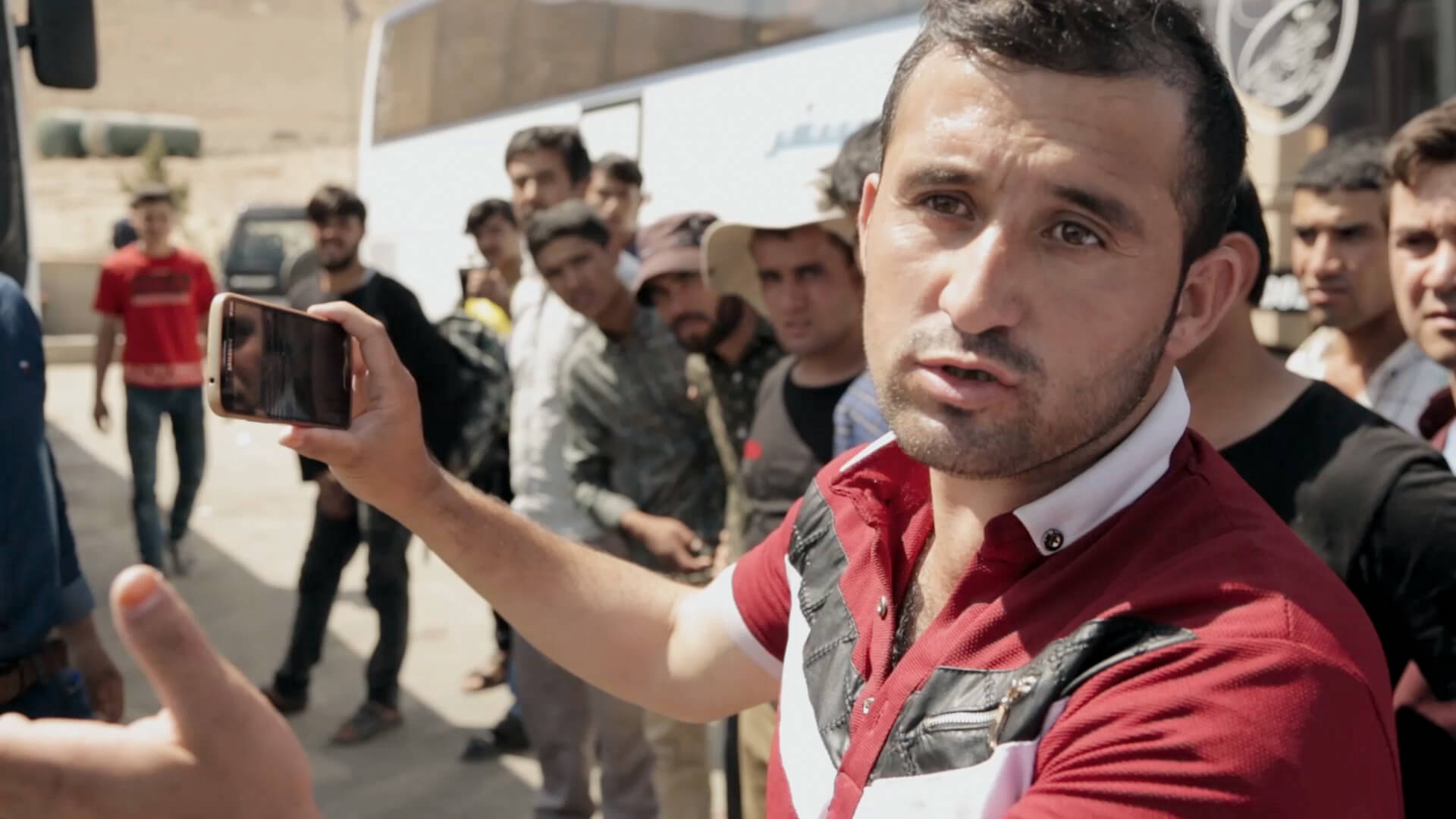
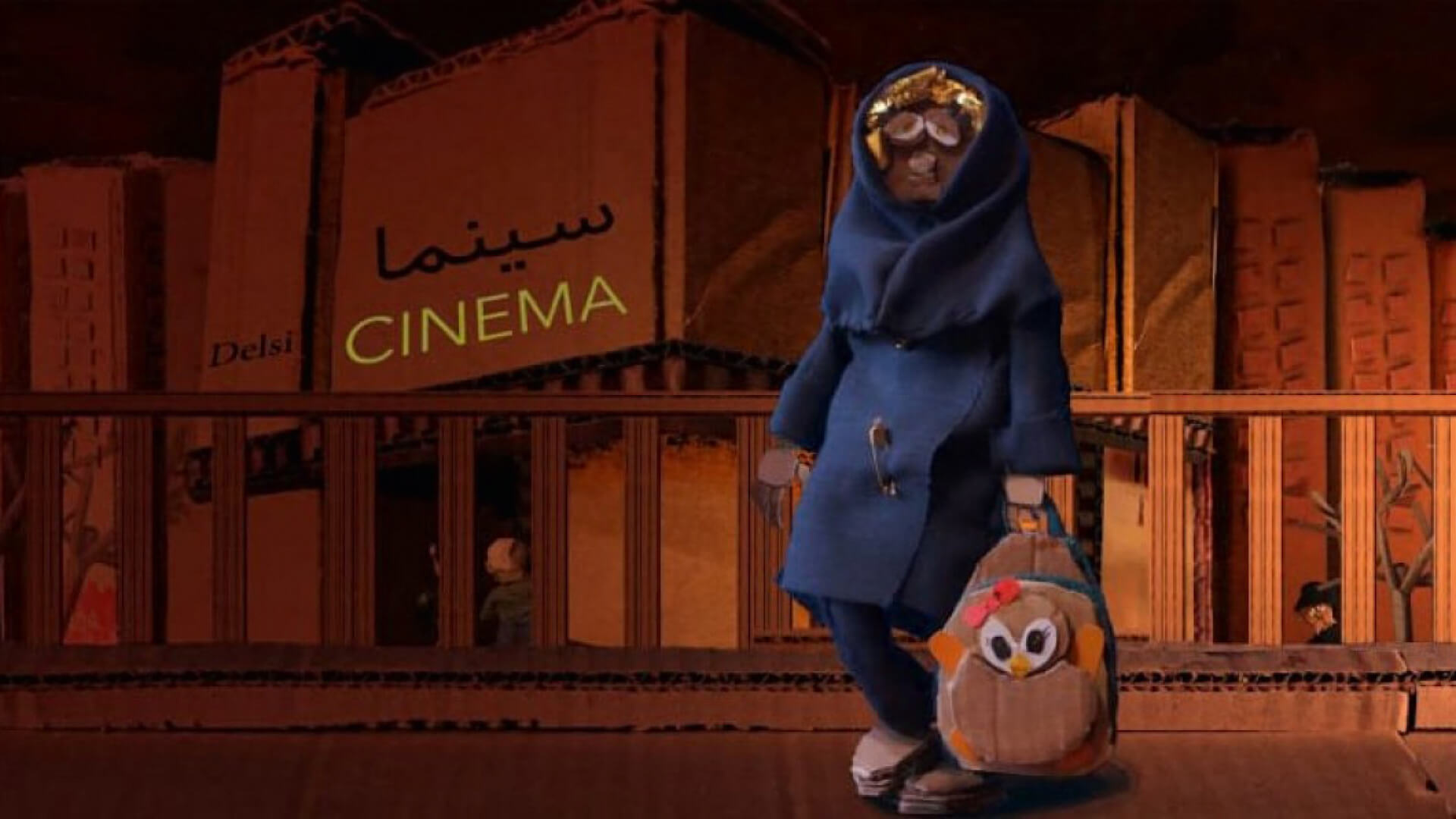

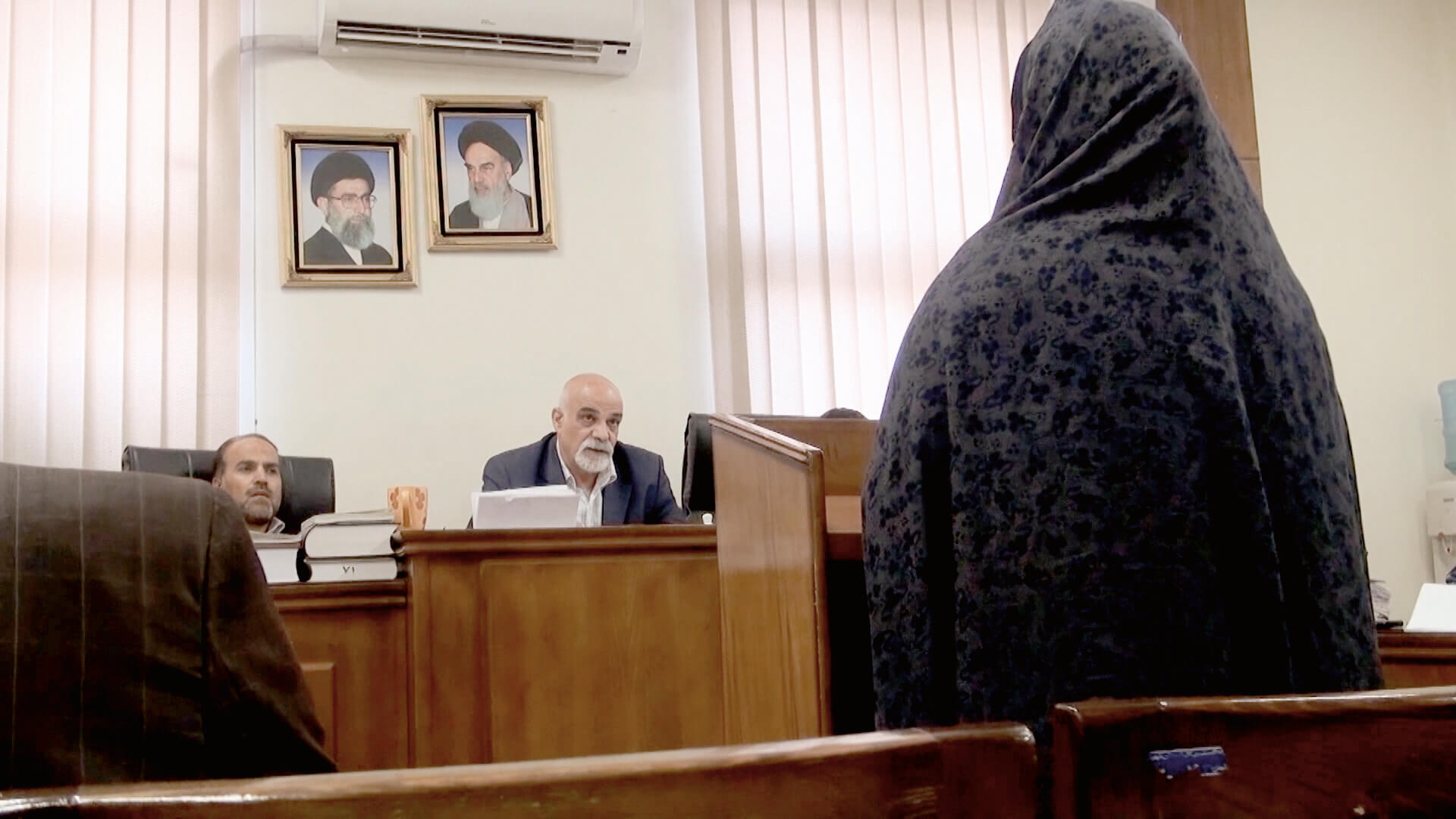
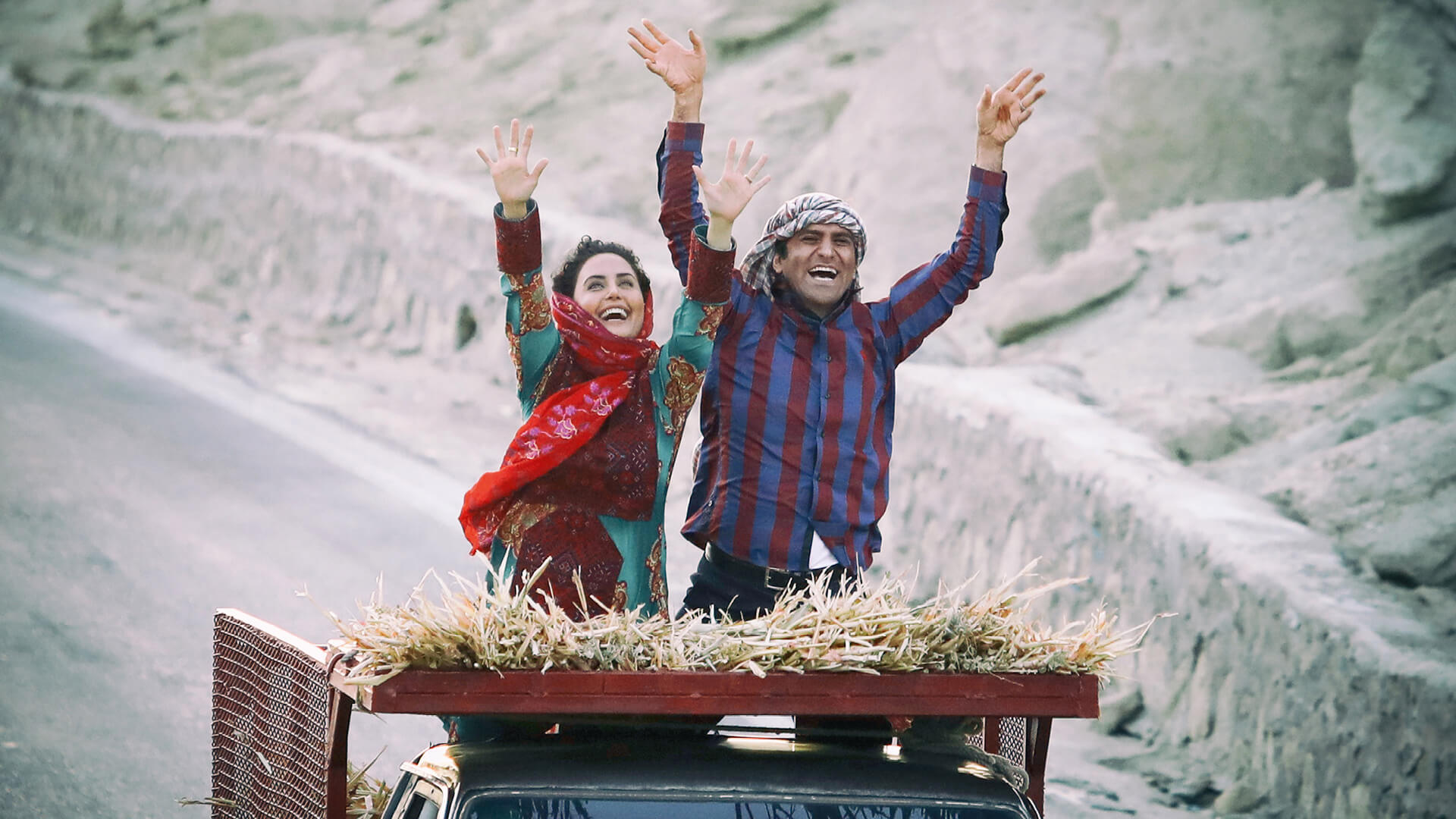
Short Films 3: Kanoon Animation Films
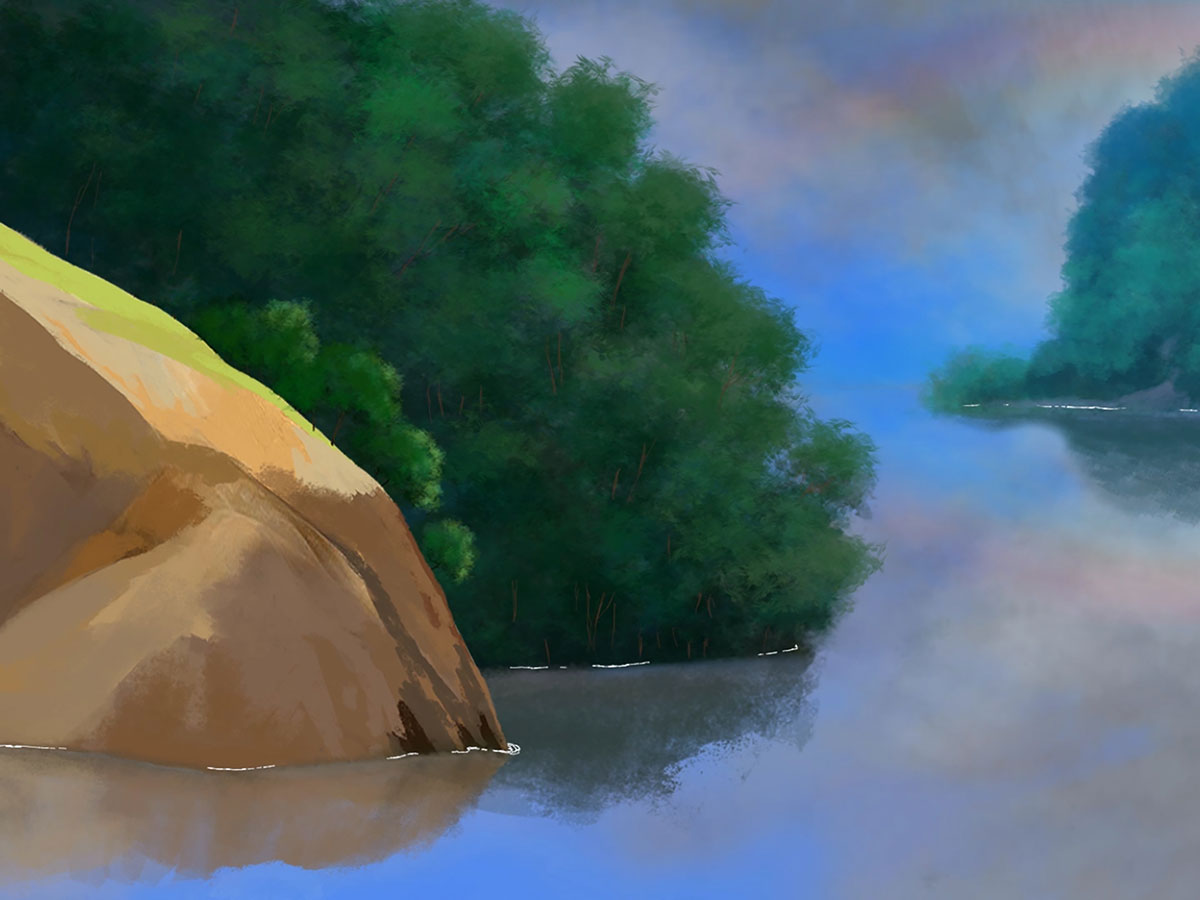
The animation films produced by Kanoon make use of all the medium’s possibilities for transformation and metamorphosis: a shadow that becomes independent, a little man that escapes the carpenter’s wood chips, a small bird that befriends a scarecrow, and goats that become clouds.